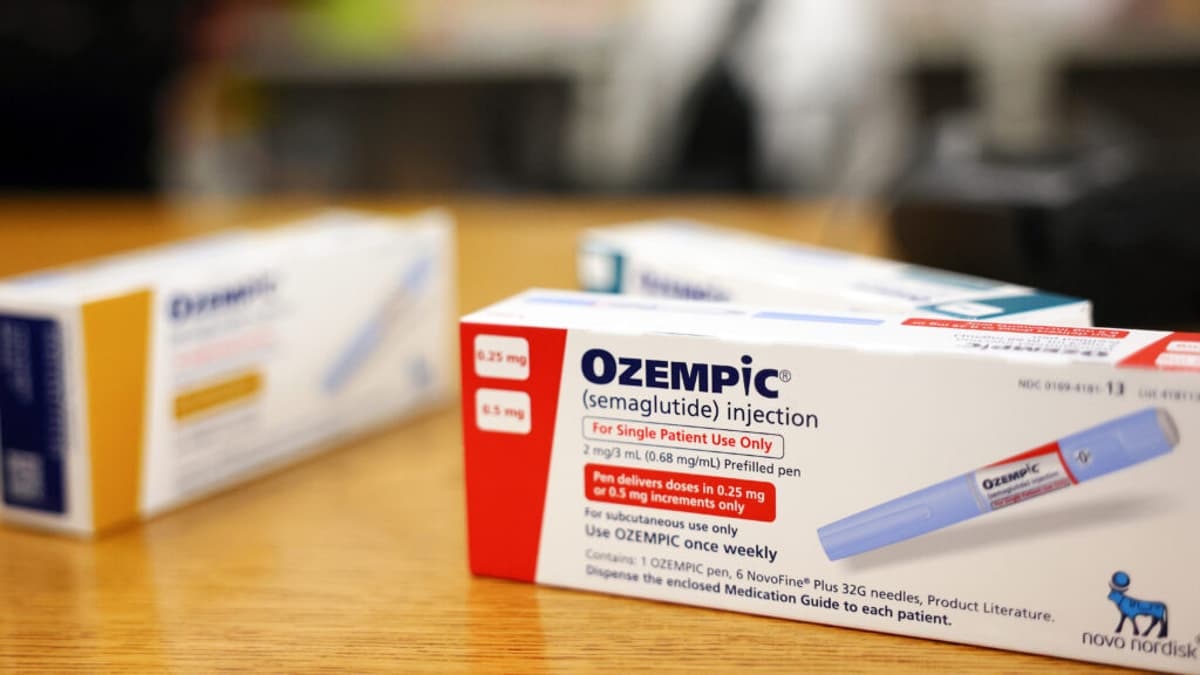
STAT+: Maryland State Affordability Board Places a Price Cap on Ozempic
Why It Matters
The cap directly reduces taxpayer drug costs and pressures manufacturers to lower list prices, highlighting a growing trend of state‑level drug price regulation that could reshape national pricing dynamics.
Key Takeaways
- •Maryland caps Ozempic at $274 per month starting Jan 2027.
- •Expected annual savings for state programs total $5.8 million.
- •Benchmark based on Medicare’s maximum fair price for the drug.
- •Board aims to regulate commercial drug prices statewide by 2028.
Pulse Analysis
The United States has seen prescription drug prices climb faster than inflation for more than a decade, prompting states to experiment with utility‑style pricing boards. Maryland’s Prescription Drug Affordability Board, created in 2022, functions like a public utility commission, reviewing cost data and setting upper payment limits for high‑priced therapies. By treating drug pricing as a regulated utility, the board can negotiate lower rates for public payers while maintaining transparency. This model has already produced caps on insulin and other specialty drugs, positioning Maryland as a testing ground for broader price‑control policies.
The latest decision targets Ozempic, a GLP‑1 agonist that has become a cornerstone treatment for type‑2 diabetes but also a driver of soaring pharmacy spend. Maryland set the cap at $274 for a 30‑day supply, a figure derived from the highest fair price Medicare reimburses. The board projects $5.8 million in annual savings for state and local health programs, a modest yet tangible reduction in budget pressure. By anchoring the limit to Medicare’s benchmark, the state sends a clear price signal to Novo Nordisk, the drug’s manufacturer, that inflated list prices will not be tolerated.
Looking ahead, Maryland plans to extend its authority to the commercial insurance market by 2028, potentially covering millions of privately insured residents. If successful, the approach could inspire neighboring states to adopt similar caps, creating a de‑facto national floor for specialty drug pricing. Critics warn that price caps might limit patient access or stifle innovation, but proponents argue that transparent, market‑based limits are essential to curb unsustainable spending and protect taxpayers.
STAT+: Maryland state affordability board places a price cap on Ozempic
Comments
Want to join the conversation?
Loading comments...