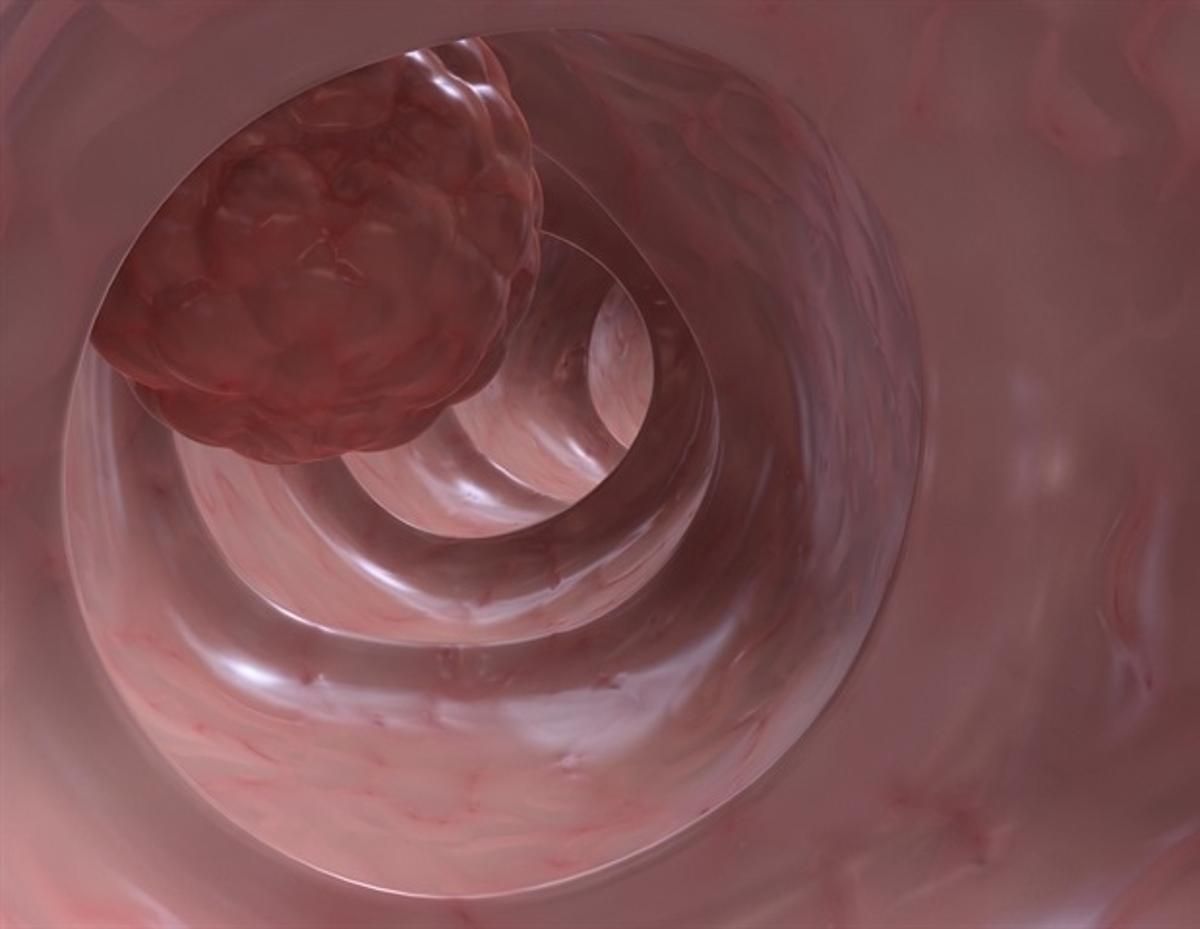
Targeting Tumor-Specific Inflammatory Process May Prevent Drug Resistance in Colon Cancer
Why It Matters
Targeting the inflammation‑driven adaptive response could extend the durability of KRAS inhibitors, addressing relapse in nearly half of colorectal cancer patients and reshaping treatment protocols.
Key Takeaways
- •KRAS mutations present in ~45% of colorectal cancer patients.
- •Inflammation, not new KRAS mutations, drives early drug resistance.
- •TBK1 inhibition restores KRAS inhibitor sensitivity in patient-derived models.
- •Organoid studies show cancer cells autonomously trigger inflammatory signals.
- •Dual therapy could delay relapse and improve survival outcomes.
Pulse Analysis
KRAS‑mutant colorectal cancer accounts for a substantial share of the disease burden, and KRAS inhibitors have emerged as a precision‑medicine breakthrough. Yet clinical experience quickly exposed a pattern of rapid relapse, prompting investigators to probe beyond classic genetic resistance. By profiling tumor biopsies before, during, and after treatment, researchers identified a consistent surge in inflammatory gene expression that preceded resistance, indicating that cancer cells can rewire signaling pathways without acquiring new DNA mutations.
The study leveraged high‑resolution single‑cell analyses and organoid cultures to isolate the source of this inflammatory surge. Even in the absence of immune cells, malignant organoids up‑regulated cytokine‑related transcripts when exposed to KRAS inhibitors, confirming an intrinsic, drug‑induced alarm system. Targeted screening singled out TBK1, a kinase central to innate immune signaling, as a linchpin of this response. Pharmacologic inhibition of TBK1, when paired with KRAS blockade, markedly reduced cell proliferation in patient‑derived tumor models, demonstrating that disrupting the internal inflammatory loop can blunt adaptive resistance.
These insights carry immediate implications for drug development and clinical trial design. Incorporating TBK1 inhibitors—or other agents that dampen tumor‑specific inflammation—into KRAS‑targeted regimens could prolong progression‑free survival and reduce the need for later‑line therapies. Moreover, the work underscores the importance of monitoring non‑genetic biomarkers, such as inflammatory gene signatures, to anticipate resistance and tailor combination strategies. As the oncology field moves toward more nuanced, multi‑modal approaches, this research offers a concrete pathway to enhance the efficacy of one of the most promising targeted therapies in colorectal cancer.
Targeting tumor-specific inflammatory process may prevent drug resistance in colon cancer
Comments
Want to join the conversation?
Loading comments...