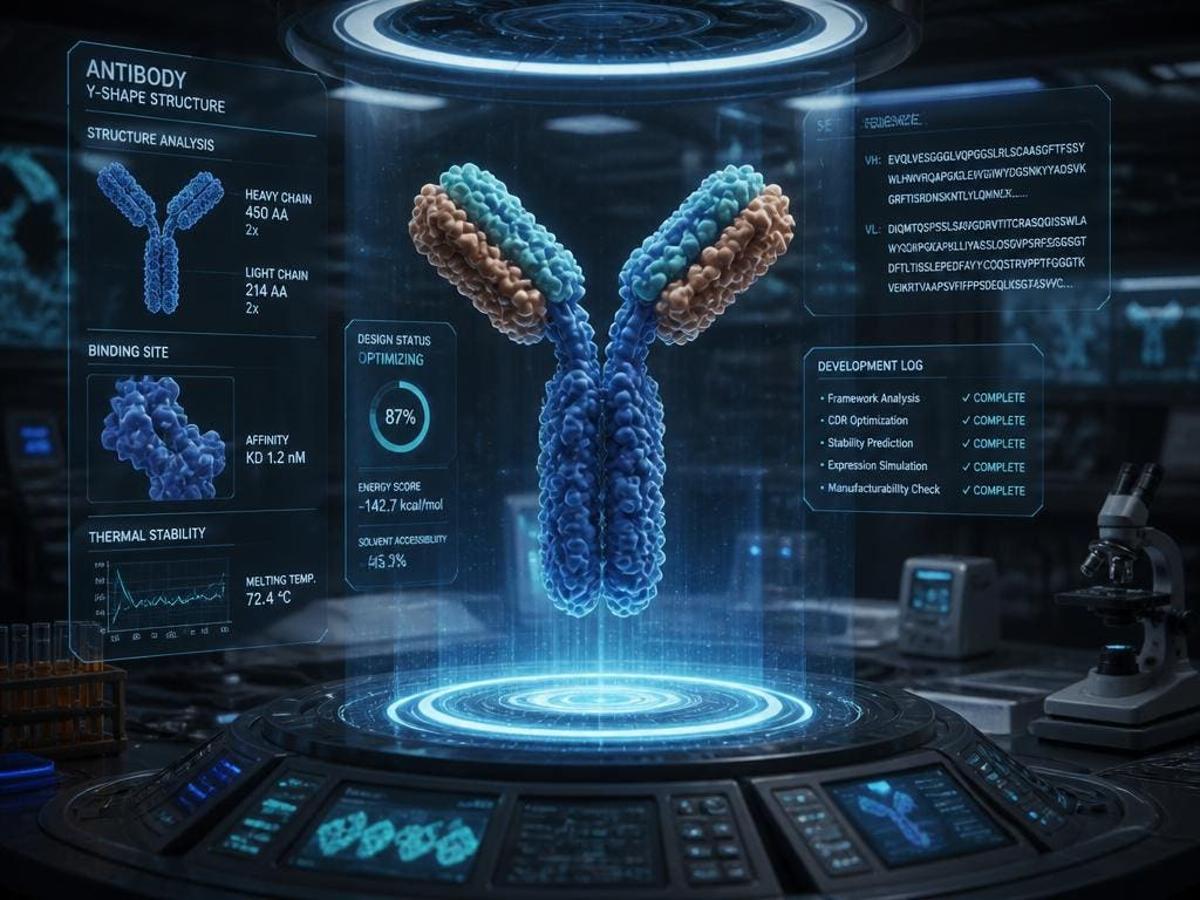
Teaching Your Body To Make Designer Antibodies
Why It Matters
If translated to humans, this approach could replace costly, recurring antibody infusions with a single procedure, reshaping treatment economics and patient experience for chronic infections and cancers.
Key Takeaways
- •Edited ~7,000 stem cells generate therapeutic antibody levels in mice
- •Booster vaccine triggers rapid antibody production from engineered immune cells
- •Dual‑cell strategy produces two antibodies, reducing viral escape risk
- •Human stem cells edited ex‑vivo also secreted antibodies in mouse models
- •Platform could deliver enzymes, hormones, or cancer proteins long‑term
Pulse Analysis
Antibody therapeutics have become a cornerstone of modern medicine, yet their short half‑life forces patients into regular, expensive infusions. The high production cost and logistical burden limit access, especially for low‑income populations and for diseases that require sustained neutralization, such as HIV or chronic viral infections. By moving the source of the drug from a manufacturing plant to the patient’s own bone marrow, gene‑edited stem cells promise a paradigm shift from a consumable product to a living, self‑renewing therapy.
The Science paper outlines a precise CRISPR‑based insertion of antibody‑coding sequences into hematopoietic stem cells, which then differentiate into B‑cell lineages that secrete the chosen antibody. In murine models, a single vaccine booster amplified antibody output, achieving protective concentrations against three distinct pathogens. Notably, the researchers demonstrated that two separate stem‑cell populations could be programmed to produce different antibodies simultaneously, a strategy that could blunt viral escape. Moreover, human stem cells edited outside the body retained the same functional capacity when engrafted into immunodeficient mice, underscoring translational potential.
Commercially, the technology could slash lifetime treatment costs from tens of thousands of dollars per year to a one‑time procedural expense, while offering clinicians on‑demand dosing via booster shots. However, safety hurdles remain: off‑target edits, conditioning regimens, and long‑term monitoring of engineered cells will demand rigorous trials. If these challenges are met, the market could see a new class of “living biologics” that extend beyond antibodies to enzymes, hormones, and even personalized cancer proteins, fundamentally altering the biotech landscape.
Teaching Your Body To Make Designer Antibodies
Comments
Want to join the conversation?
Loading comments...