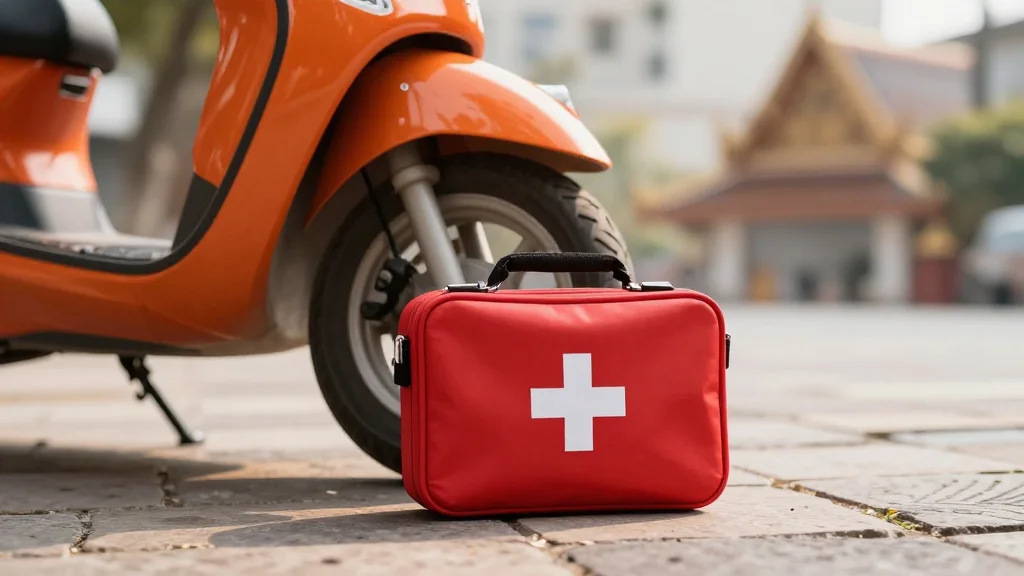
Thai Authorities Push for Mandatory Medical Insurance for Scooter Crashes
Why It Matters
The measure would protect Thailand’s public‑health budget from uncompensated care and help maintain the country’s reputation as a safe, affordable travel destination.
Key Takeaways
- •Tourist scooter injuries cost Thailand's health system ~ $3.1 million annually.
- •Unpaid bills hit hospitals like Vachira Phuket with $300k losses.
- •Proposed 300‑baht ($10) fee could offset a portion of expenses.
- •Options include visa‑linked insurance or rental‑company coverage mandates.
- •Policy aims to protect public health finances without deterring visitors.
Pulse Analysis
Scooter rentals are a staple of Thailand’s tourism ecosystem, offering cheap mobility for visitors exploring bustling cities and beach towns. Yet the low barrier to entry masks a hidden risk: inexperienced riders often collide with traffic or obstacles, sustaining burns, fractures, or even life‑changing injuries. The phenomenon has earned a colloquial nickname, the “Thailand tattoo,” underscoring how commonplace these accidents have become and why they now demand policy attention.
The financial fallout is stark. The Ministry of Public Health estimates foreign patients cost the public system about $3.1 million annually, while individual hospitals such as Vachira Phuket have absorbed $300,000 in unpaid bills, including a high‑profile case of a tourist left paralyzed without family support. To stem the drain, stakeholders are debating a modest 300‑baht ($10) surcharge per tourist, insurance add‑ons at the point of visa issuance, or mandatory coverage through rental agencies. Collecting systematic injury data will allow officials to calibrate the approach, ensuring the solution is both fiscally responsible and operationally feasible.
If implemented, mandatory insurance could serve as a template for other high‑traffic tourist economies grappling with similar cost‑shifting dilemmas. By shifting the financial risk to travelers, Thailand would safeguard its public‑health resources while preserving the low‑cost appeal that draws millions each year. The policy’s success will hinge on balancing affordability for visitors with adequate compensation for hospitals, a delicate equilibrium that could redefine how emerging markets manage tourism‑related health liabilities.
Thai Authorities Push for Mandatory Medical Insurance for Scooter Crashes
Comments
Want to join the conversation?
Loading comments...