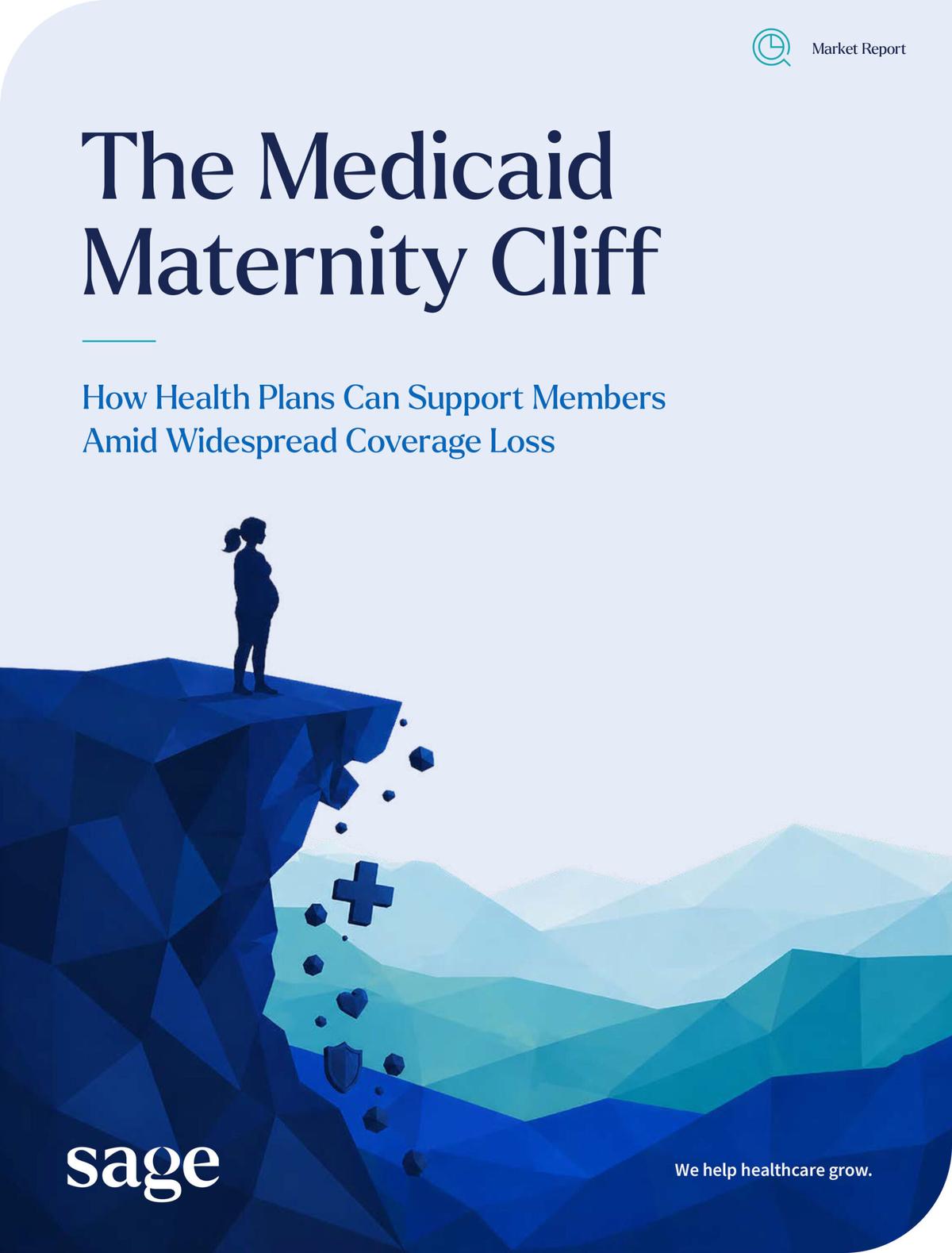
The Medicaid Maternity Cliff: 84% of Health Plan Leaders Expect Major Care Disruption in 2026
Why It Matters
The impending coverage loss threatens recent gains in maternal health equity and could drive costly complications, making continuity of care a critical performance metric for health plans.
Key Takeaways
- •52% of Medicaid mothers expect coverage loss after redetermination
- •84% of health‑plan leaders foresee moderate to severe care disruption
- •72% cite delayed prenatal/postpartum care as top clinical risk
- •68% of plans boost member education to mitigate coverage churn
Pulse Analysis
The "Medicaid Maternity Cliff" emerges from a confluence of federal policy shifts that increase the frequency of eligibility redeterminations for pregnant beneficiaries. As Medicaid programs tighten oversight, more than half of expectant mothers fear losing coverage mid‑pregnancy, creating a systemic vulnerability that extends beyond paperwork to the very continuity of care essential for healthy outcomes. This trend underscores a broader challenge for the U.S. health system: balancing fiscal stewardship with the need to protect high‑risk populations from administrative gaps.
Clinically, the consequences are stark. Seventy‑two percent of health‑plan executives surveyed warn that coverage interruptions will delay or deter prenatal visits and postpartum follow‑ups, while two‑thirds anticipate breakdowns in care continuity and rising financial barriers for families. Rural mothers, NICU families, and those beyond the traditional 60‑day postpartum window are especially exposed, as limited provider networks amplify the impact of any lapse. The resulting fragmentation not only jeopardizes maternal and infant health but also inflates downstream costs associated with emergency interventions and chronic complications.
Health plans are beginning to act, with 68% reporting enhanced outreach and education initiatives aimed at navigating the redetermination process. Partnerships with community organizations and local providers are being forged to create safety nets that keep mothers linked to essential services even if their Medicaid status changes. By treating coverage stability as a clinical metric, insurers can mitigate costly complications, preserve equity gains, and position themselves competitively in a market where proactive care management is increasingly tied to financial performance.
The Medicaid Maternity Cliff: 84% of Health Plan Leaders Expect Major Care Disruption in 2026
Comments
Want to join the conversation?
Loading comments...