The Peptide Problem: Hype Is Outrunning the Evidence
Why It Matters
The hype‑driven market exposes consumers to unregulated, potentially unsafe injections and diverts focus from the rigorous trials needed to validate peptide therapies, slowing legitimate drug development.
Key Takeaways
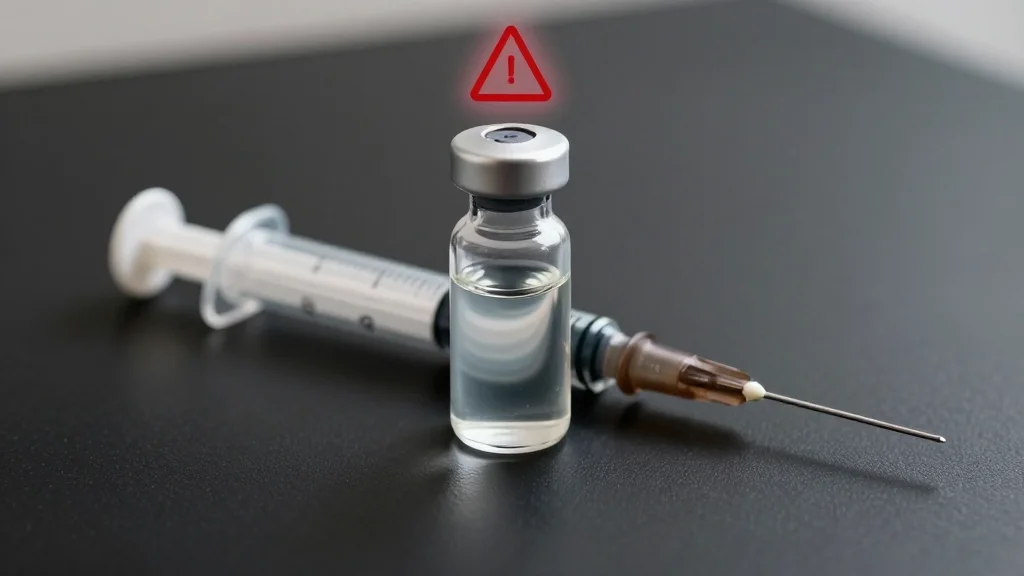
- •Health Canada seized illegal peptide vials marketed for anti‑aging.
- •BPC‑157 evidence limited to animal studies; only one human trial found.
- •Influencer hype outpaces regulatory warnings, risking unsafe self‑injection.
- •FDA classifies BPC‑157 as compounding category 2 due to safety concerns.
- •Robust placebo‑controlled trials are needed before peptides can be endorsed.
Pulse Analysis
The peptide boom has migrated from niche bodybuilding circles to mainstream wellness feeds, where influencers tout injectable compounds as quick fixes for everything from wrinkles to belly fat. This surge has prompted Health Canada to issue a public advisory and seize several batches, while the U.S. FDA places BPC‑157 in a high‑risk compounding category. Regulators stress that these products lack any approved indication, may contain incorrect dosages, and could harbor immunogenic impurities, underscoring the gap between viral marketing and legal safety standards.
Scientific scrutiny reveals a stark evidence gap. Systematic reviews show that out of more than 500 papers on BPC‑157, virtually all are animal or cell‑based studies; human data consist of a handful of pilot trials with fewer than two dozen participants each. The “translational squeeze”—the ratio of rodent successes to human approvals—exceeds 20 to 1, meaning promising biology rarely translates into approved medicines without large, controlled trials. Without such data, claims of accelerated healing or fat loss remain speculative, and the placebo effect or regression to the mean can easily masquerade as efficacy.
For the biotech industry, the current hype presents both a warning and an opportunity. While the market appetite for peptide therapeutics is undeniable—evidenced by FDA‑approved drugs like semaglutide—unregulated DIY use threatens public trust and could invite stricter oversight. Companies that invest in rigorous, double‑blind studies will differentiate themselves, providing the evidence regulators and consumers demand. Until that happens, the safest path for patients is to rely on approved therapies and await solid clinical proof before considering self‑administered peptides.
The peptide problem: Hype is outrunning the evidence
Comments
Want to join the conversation?
Loading comments...