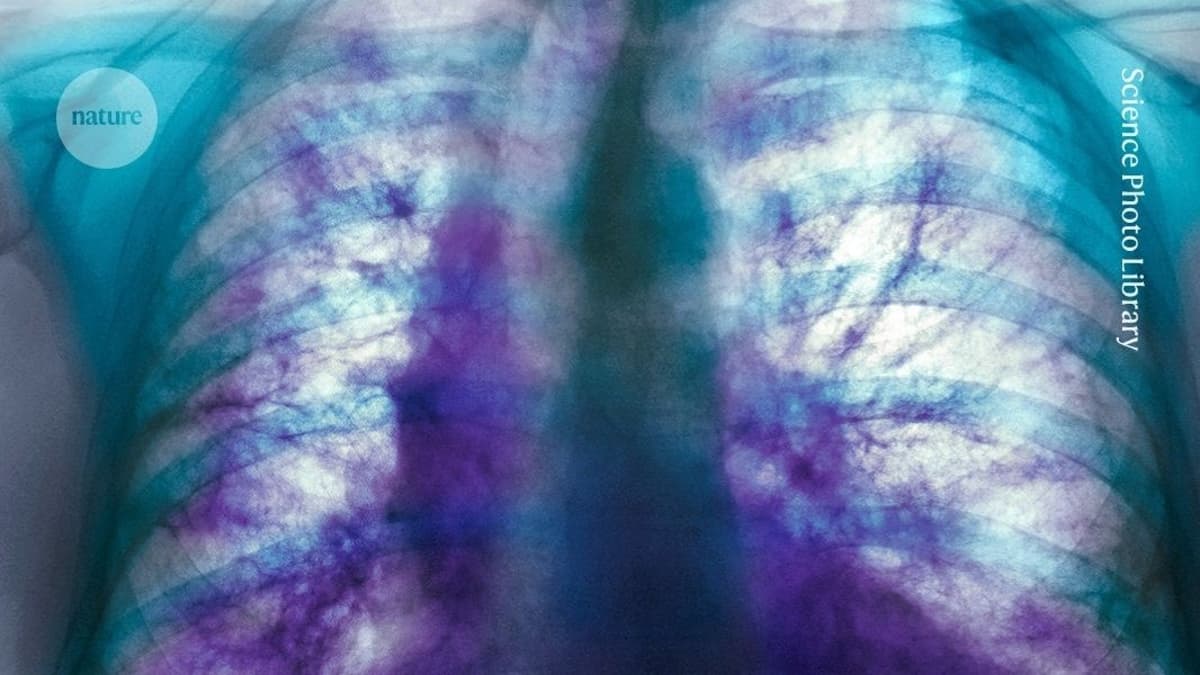
This Mysterious Lung Disease Affects Millions of People — but a Drug Tested in Mice Shows Promise
Why It Matters
A therapy that stops IPF from progressing would address a critical unmet need, potentially reducing mortality and healthcare costs associated with chronic lung failure. It also opens a new avenue for precision medicine by tying genetics and the lung microbiome to disease outcomes.
Key Takeaways
- •TLR5 mutation increases susceptibility to idiopathic pulmonary fibrosis in mice
- •Study links lung microbiome dysbiosis to accelerated fibrosis
- •Targeting TLR5 pathway may halt IPF progression, a first‑in‑class approach
- •Existing IPF drugs only slow disease, no symptom improvement
- •Human genetic screening could identify patients for TLR5‑based therapy
Pulse Analysis
Idiopathic pulmonary fibrosis remains one of the most daunting respiratory disorders, with an estimated 3 million cases worldwide and a median survival of three to five years after diagnosis. Current pharmacologic options—nintedanib and pirfenidone—only modestly decelerate lung function decline and do not reverse symptoms, leaving clinicians and patients searching for disease‑modifying solutions. The economic burden is substantial, encompassing frequent hospitalizations, long‑term oxygen therapy, and costly lung transplants, underscoring the urgency for innovative interventions.
The recent mouse study illuminates a previously hidden connection between the lung microbiome and fibrotic remodeling. By knocking out the Tlr5 gene, researchers observed heightened fibrosis, weight loss, and mortality, alongside reduced microbial diversity and weakened antimicrobial defenses. TLR5 normally detects bacterial flagellin, triggering immune pathways that limit pathogenic overgrowth after injury. This mechanistic insight reframes IPF as not solely an aberrant wound‑healing response but also a failure of innate immune surveillance, positioning TLR5 activation as a logical therapeutic target.
Translating these findings into human medicine could reshape IPF treatment paradigms. Small‑molecule agonists or biologics designed to boost TLR5 signaling may offer the first true disease‑modifying approach, potentially in combination with existing antifibrotic agents. However, challenges remain: confirming the pathway’s relevance in diverse patient populations, ensuring safety given TLR5’s role in inflammation, and developing reliable genetic or microbiome biomarkers for patient selection. Ongoing collaborations between academic labs, biotech firms, and regulatory bodies will be essential to move this promising concept from bench to bedside.
This mysterious lung disease affects millions of people — but a drug tested in mice shows promise
Comments
Want to join the conversation?
Loading comments...