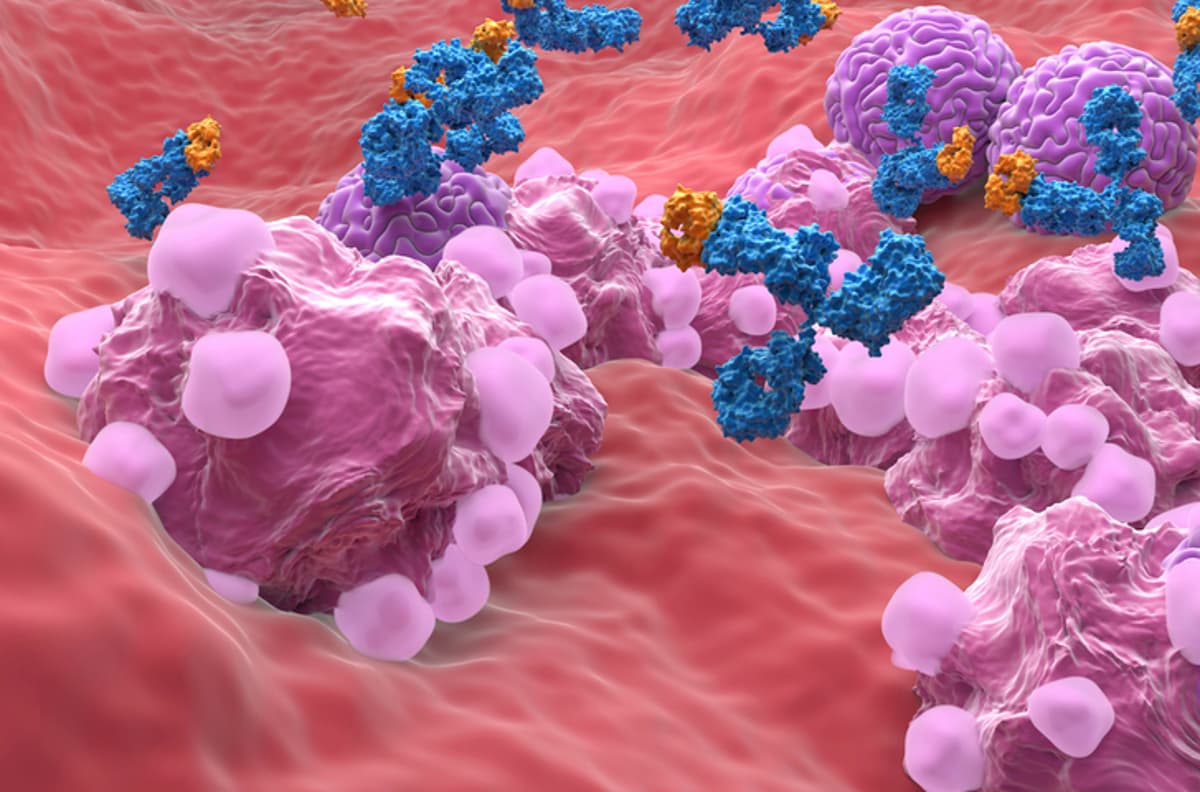
This Startup Aims to Upend Biologic Drug Production With Implantable ‘Cell Factories’
Why It Matters
By generating biologics in situ, Duracyte could slash drug‑manufacturing costs, improve dosing precision, and reduce the side‑effect burden of high‑dose infusions, reshaping the economics of immunotherapy and chronic disease treatment.
Key Takeaways
- •Duracyte's implant produces IL‑12 and ipilimumab directly at ovarian tumors
- •Wireless battery and on‑board electrolysis supply oxygen for dense cell cultures
- •FDA classifies the device as a combination product, not a cell therapy
- •Over $100 million in federal and philanthropic funding backs development
- •Implant aims to replace frequent biologic injections, lowering dose and side effects
Pulse Analysis
Biologic drugs have transformed modern medicine, but their high manufacturing cost and the logistical burden of cold‑chain distribution and frequent self‑injection pens remain major hurdles. Patients often struggle with adherence, and dose‑related toxicities can limit therapeutic windows. Industry players are therefore hunting for delivery models that cut expenses while preserving efficacy, a quest that has spurred interest in implantable platforms capable of continuous, localized drug release.
Duracyte’s approach fuses cell therapy with micro‑electronics to create a self‑sustaining "cell factory" the size of an oral capsule. Engineered human cells reside behind a semi‑permeable membrane, drawing nutrients and water from surrounding tissue. Because densely packed cells consume more oxygen, the implant incorporates a miniature electrolysis system powered by a rechargeable battery, generating oxygen on demand. Wireless recharging eliminates the need for surgical battery swaps, and a clinician‑controlled mobile app monitors protein output, allowing real‑time dose adjustments. The lead indication—ovarian cancer—leverages locally produced IL‑12 and ipilimumab to boost immune response while minimizing systemic exposure.
If successful, the technology could ripple across the $300 billion biologics market, offering a scalable alternative to weekly or monthly injections for conditions ranging from metabolic disorders to chronic inflammatory diseases. Duracyte’s $45 million ARPA‑H grant and additional backing from DARPA, Breakthrough T1D, and the Gates Foundation underscore governmental confidence in its disruptive potential. Compared with existing hormone or ocular implants, Duracyte’s device adds programmable dosing and multi‑protein capability, positioning it as a versatile platform that may redefine how the industry manufactures, distributes, and administers high‑value biologics. The upcoming clinical trials will be a litmus test for regulatory pathways and market adoption.
This Startup Aims to Upend Biologic Drug Production With Implantable ‘Cell Factories’
Comments
Want to join the conversation?
Loading comments...