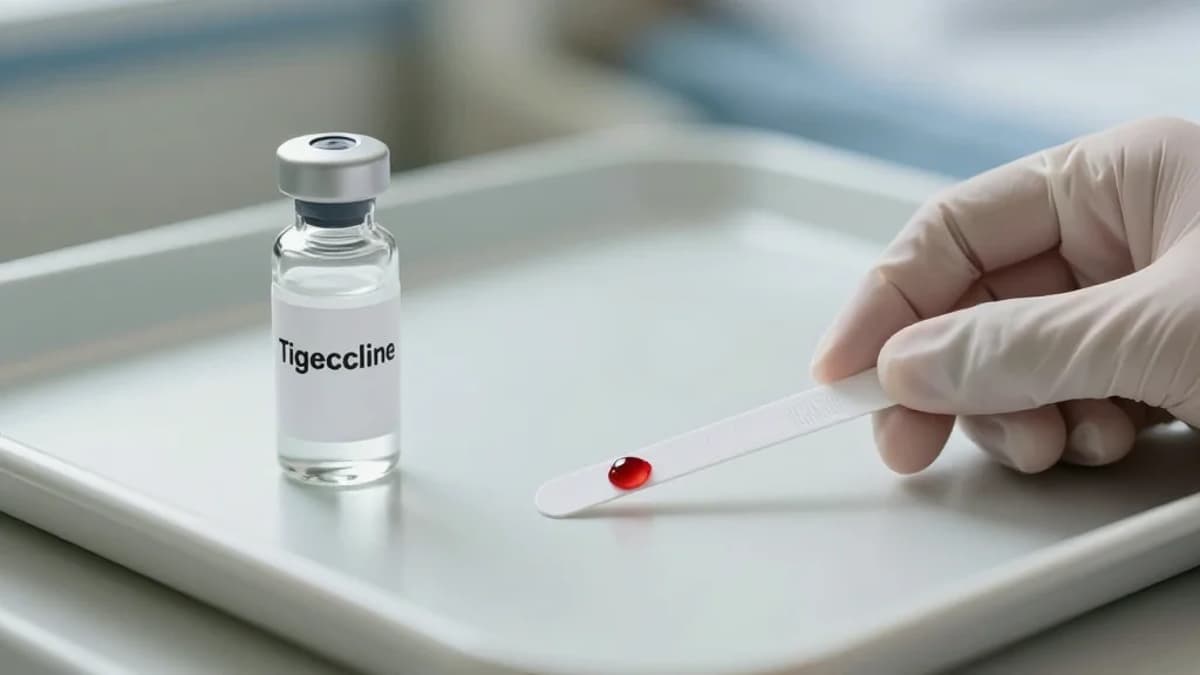
Tigecycline-Induced Hypoglycemia in Critically Ill Patients with Severe Infections: A Retrospective Cohort Study
•March 12, 2026
0
Why It Matters
Tigecycline‑induced hypoglycemia may worsen short‑term outcomes, urging clinicians to implement vigilant glucose monitoring during therapy.
Key Takeaways
- •Tigecycline lowered glucose at 6 am, 2 pm, 10 pm.
- •11.2% patients developed hypoglycemia during treatment.
- •Hypoglycemia raised 28‑day mortality odds nearly fourfold.
- •Larger 24‑hour glucose drop predicts hypoglycemia risk.
- •Combined predictor AUC 0.84, sensitivity 0.79.
Pulse Analysis
Tigecine, a glycylcycline antibiotic, is increasingly prescribed for multidrug‑resistant infections in intensive care units. While its antimicrobial spectrum is well documented, metabolic side effects have received limited attention. This study provides the first large‑scale evidence that tigecycline can precipitate measurable drops in blood glucose across multiple daily readings, highlighting a previously under‑recognized safety concern for critically ill patients already vulnerable to metabolic instability.
The analysis identified hypoglycemia in roughly one‑tenth of the cohort, with affected individuals facing a 3.8‑fold higher odds of dying within 28 days. Key predictors included a steep 24‑hour glucose decline, low pre‑treatment glucose levels, and admission to the ICU rather than a step‑down unit. By integrating the magnitude of glucose reduction with admission type, the researchers achieved an AUC of 0.84, suggesting the model could reliably flag high‑risk patients early in the treatment course. These findings underscore the need for clinicians to view glucose trends as a critical safety metric when initiating tigecycline.
Practically, the results advocate for routine bedside glucose monitoring before and throughout tigecycline therapy, especially in patients with low baseline glucose or those requiring prolonged courses. Adjusting dosing schedules, employing supplemental dextrose, or selecting alternative agents may mitigate the identified risk. Moreover, the study opens avenues for prospective trials to validate the predictive model and explore mechanistic pathways linking tigecycline to insulin secretion or glucose utilization, ultimately guiding evidence‑based stewardship in high‑acuity settings.
Tigecycline-Induced Hypoglycemia in Critically Ill Patients with Severe Infections: A Retrospective Cohort Study
0
Comments
Want to join the conversation?
Loading comments...