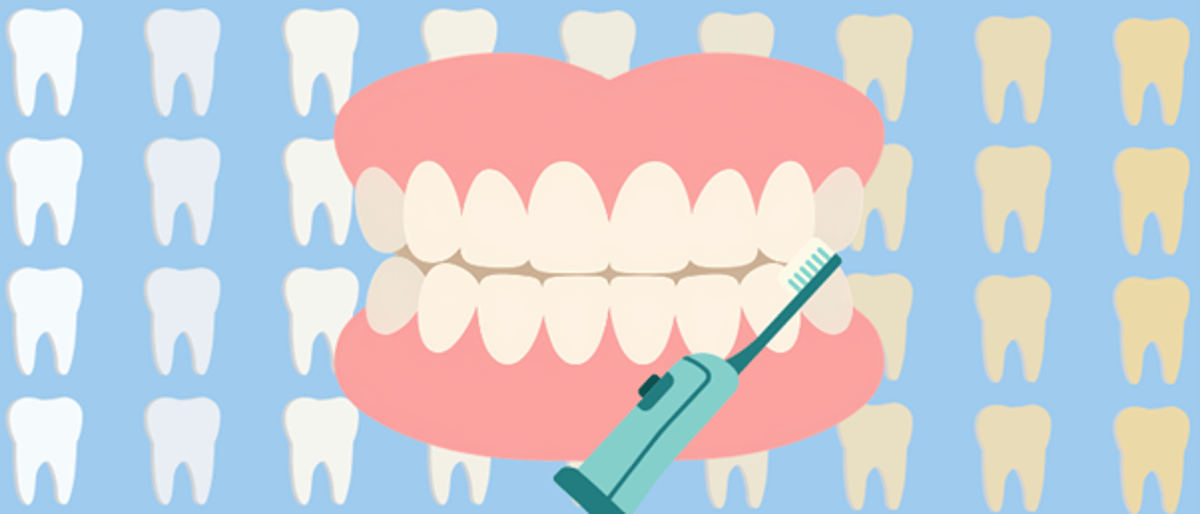
Tooth Whitening without Enamel Damage? Vibration-Activated Powder Protects Pearly Whites for Better Oral Health
•February 25, 2026
0
Why It Matters
The technology offers a safer, at‑home whitening solution that simultaneously protects enamel and balances oral microbiota, potentially reshaping consumer dental care products.
Key Takeaways
- •BSCT powder activates via electric toothbrush vibrations.
- •Generates ROS for stain removal and bacterial inhibition.
- •Releases calcium, strontium for enamel remineralization.
- •Achieves ~50% whitening after 12‑hour brushing.
- •Restores oral microbiome and reduces periodontitis in rats.
Pulse Analysis
The global teeth‑whitening market has long been dominated by peroxide‑based gels, strips and rinses that, while effective, can erode enamel and irritate soft tissues. Growing consumer awareness of oral health risks has spurred demand for gentler alternatives that do not compromise safety. In this context, the BSCT powder represents a paradigm shift, leveraging mechanical energy from everyday electric toothbrushes rather than harsh chemicals, thereby aligning with the trend toward minimally invasive, at‑home dental care solutions.
BSCT (Ba0.9Sr0.05Ca0.05TiO3) is a ceramic composite that exhibits piezoelectric properties when vibrated. The induced polarization field produces controlled reactive oxygen species that break down organic pigments, while simultaneously liberating calcium and strontium ions that precipitate as hydroxyapatite‑like layers on enamel and dentin. In vitro studies on stained human teeth recorded a near‑50% increase in brightness after 12 hours of brushing, and in vivo rat models showed a rebalanced oral microbiome, elimination of Porphyromonas gingivalis and Staphylococcus aureus, and reduced inflammatory markers.
If translated into consumer products, this technology could disrupt traditional whitening regimens by combining aesthetic improvement with therapeutic benefits. Dental manufacturers may explore integrating BSCT into toothpaste or powder formats, but regulatory pathways will require thorough safety and efficacy data. Early adoption by dental professionals could accelerate market acceptance, positioning the powder as a premium, health‑focused alternative that meets both cosmetic and preventive oral‑care objectives.
Tooth whitening without enamel damage? Vibration-activated powder protects pearly whites for better oral health
0
Comments
Want to join the conversation?
Loading comments...