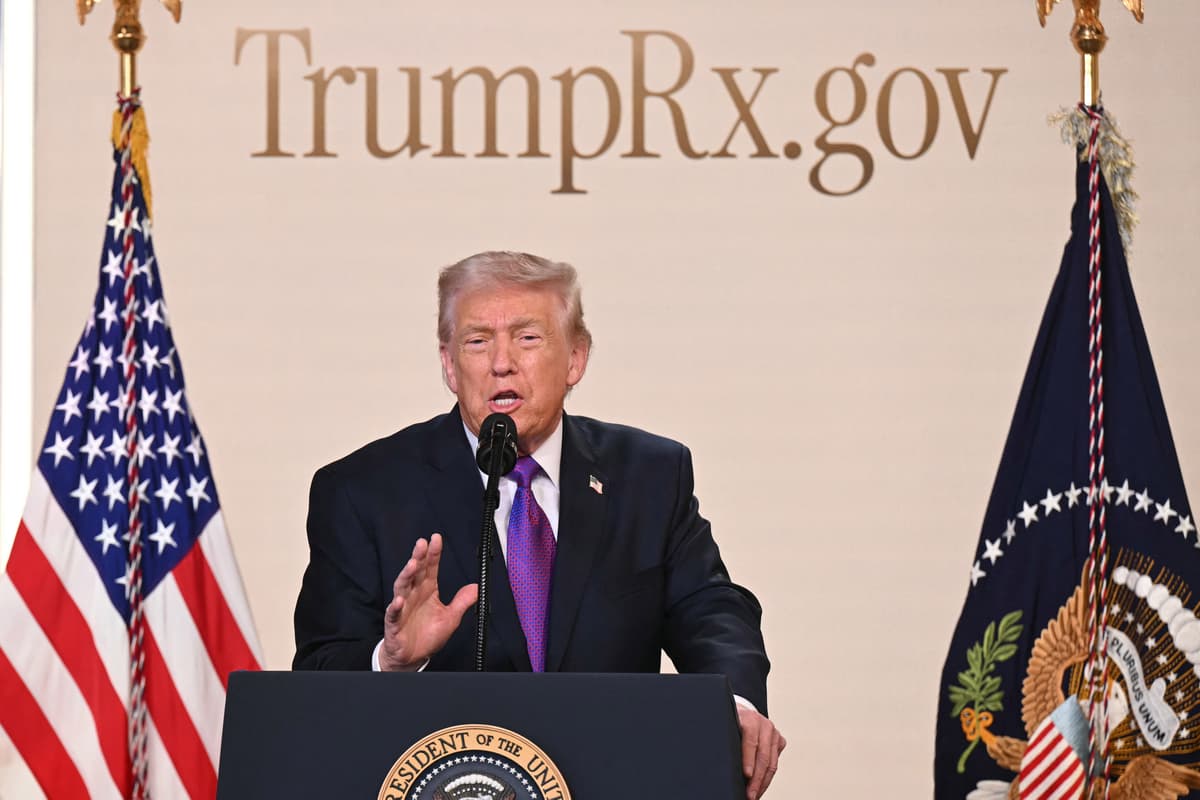
Trump Promised Cheaper Drugs. Some Prices Dropped. Many Others Shot Up.
Why It Matters
The mixed results highlight the difficulty of achieving broad, enforceable drug‑price relief in the U.S., underscoring the need for systemic policy solutions beyond voluntary agreements.
Key Takeaways
- •TrumpRx lists discounts for select brand drugs, mainly for cash‑pay patients
- •Most‑favored‑nation deals cover few products and lack clear enforcement
- •Medicare negotiations now save over $20 billion annually
- •Nearly 1,000 brand drugs raised prices in Jan 2026
- •Patents and biosimilar hurdles keep many low‑cost options off market
Pulse Analysis
The Trump administration’s rollout of TrumpRx has generated headlines by showcasing dramatic price cuts on high‑visibility drugs such as fertility treatments and GLP‑1 weight‑loss injections. By partnering with manufacturers like Pfizer, Merck KGaA, and Novo Nordisk, the portal offers coupons that can shave up to 85% off list prices for uninsured, cash‑pay consumers. Yet the savings are confined to a narrow product set; most discounts apply to brand‑name items that already have cheaper generic alternatives, and the portal’s reach excludes the majority of insured patients who rely on pharmacy benefit managers and copayment cards.
Beyond TrumpRx, the administration has quietly advanced the bipartisan Medicare drug‑price negotiation program, which began under the Inflation Reduction Act. The first ten negotiated drugs, ranging from blood thinners to insulin, entered the market on Jan. 1, 2026, delivering price reductions exceeding 50% and generating roughly $6 billion in annual savings. Expanding the list to 40 high‑spending drugs is projected to cut Medicare’s drug spend by more than $20 billion each year, capping out‑of‑pocket costs for seniors at $2,000. While these savings are substantial, they benefit only Medicare beneficiaries, leaving private‑pay patients to navigate a fragmented discount landscape.
Industry analysts warn that voluntary "most‑favored‑nation" agreements and selective price cuts do little to alter the underlying pricing architecture. Patent extensions, complex biosimilar pathways, and the lack of enforceable pricing standards mean many brand drugs continue to rise, as evidenced by Pfizer’s 71 price hikes in the first week of 2026. For meaningful, nationwide affordability, policymakers will likely need to pursue statutory reforms that standardize pricing benchmarks, streamline biosimilar approvals, and extend negotiation authority beyond Medicare. Until then, patients will remain dependent on piecemeal discounts and costly cash‑pay options.
Trump Promised Cheaper Drugs. Some Prices Dropped. Many Others Shot Up.
Comments
Want to join the conversation?
Loading comments...