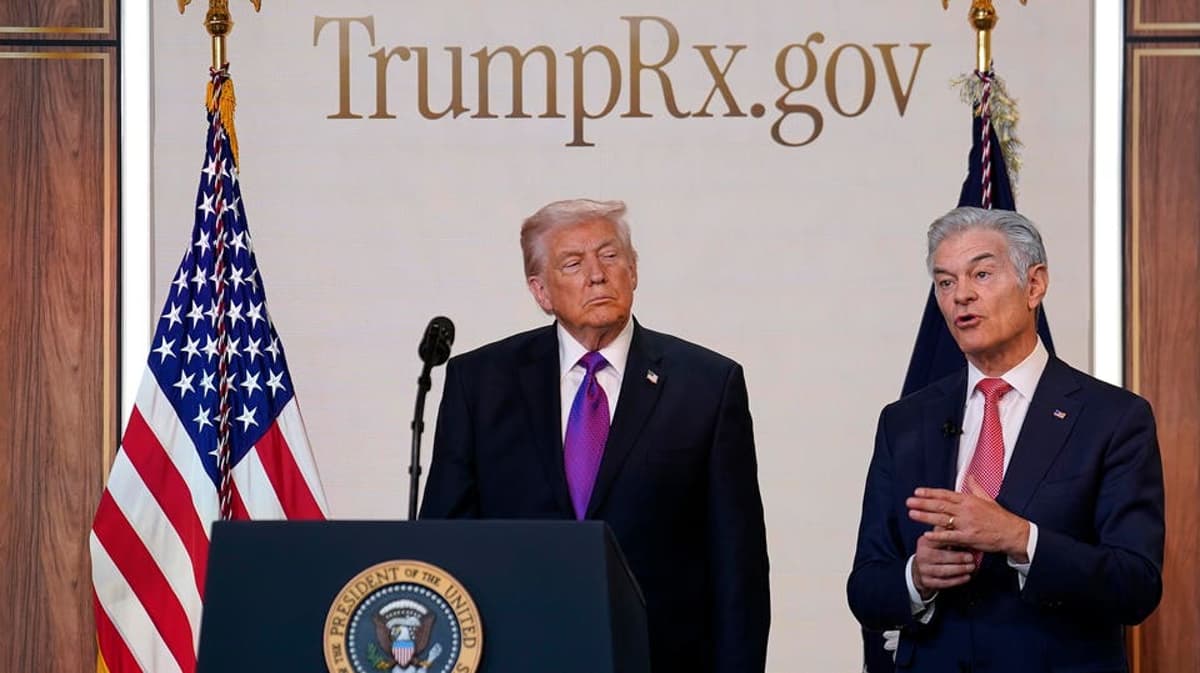
TrumpRx Has Signed Deals With Nearly Every Major Drugmaker. Are Prices Actually Falling?
Why It Matters
TrumpRx represents the administration’s first use of trade policy to enforce drug‑price reductions, signaling a new lever in the U.S. pricing debate and testing the limits of voluntary compliance.
Key Takeaways
- •TrumpRx secured MFN deals covering 86% of branded market
- •Pfizer discounts range 50%‑85% for cash‑pay and Medicaid users
- •Benefits mainly cash‑pay patients and state Medicaid, not private insurers
- •Some signers raised list prices on other drugs in 2026
- •Website visits peaked at launch then sharply declined
Pulse Analysis
TrumpRx marks a dramatic shift in American drug‑price policy by tying tariff relief to most‑favored‑nation pricing. The executive order invoked Section 232 of the Trade Expansion Act, compelling manufacturers to match the lowest prices offered to peer OECD nations for cash‑pay consumers and Medicaid. This approach builds on the voluntary MFN agreements that began in mid‑2025, but unlike earlier goodwill gestures, it now carries a trade‑policy enforcement punch. By securing deals that span 86% of the branded market, the administration hopes to showcase tangible savings while pressuring holdouts to comply.
The real‑world impact of TrumpRx, however, is uneven. Discounts such as Pfizer’s 50%‑85% cuts and Ozempic’s drop to $350 a month benefit uninsured shoppers and state Medicaid programs, yet the majority of the 220 million privately insured Americans see little change because their out‑of‑pocket costs are already moderated by rebates and PBM negotiations. Moreover, some companies have simultaneously raised list prices on other products, diluting the net consumer benefit. The platform’s modest drug catalog—86 products as of April 2026—and a sharp decline in site traffic suggest limited awareness and adoption, raising questions about its scalability alongside the Inflation Reduction Act’s Medicare price‑negotiation program.
Looking ahead, Congress is demanding transparency on MFN contracts while the administration prepares mandatory GLOBE (Part B) and GUARD (Part D) rebate models. These proposals could extend price controls to broader payer groups, but they also risk stifling innovation, especially for smaller biotech firms reliant on premium pricing for rare‑disease therapies. The interplay between TrumpRx, IRA negotiations, and upcoming regulatory rules will shape whether 2026 becomes a turning point for drug affordability or merely a tactical maneuver in a longer policy battle. Stakeholders should monitor tariff enforcement, deal disclosures, and the evolution of mandatory rebate frameworks for clues about the future pricing landscape.
TrumpRx Has Signed Deals With Nearly Every Major Drugmaker. Are Prices Actually Falling?
Comments
Want to join the conversation?
Loading comments...