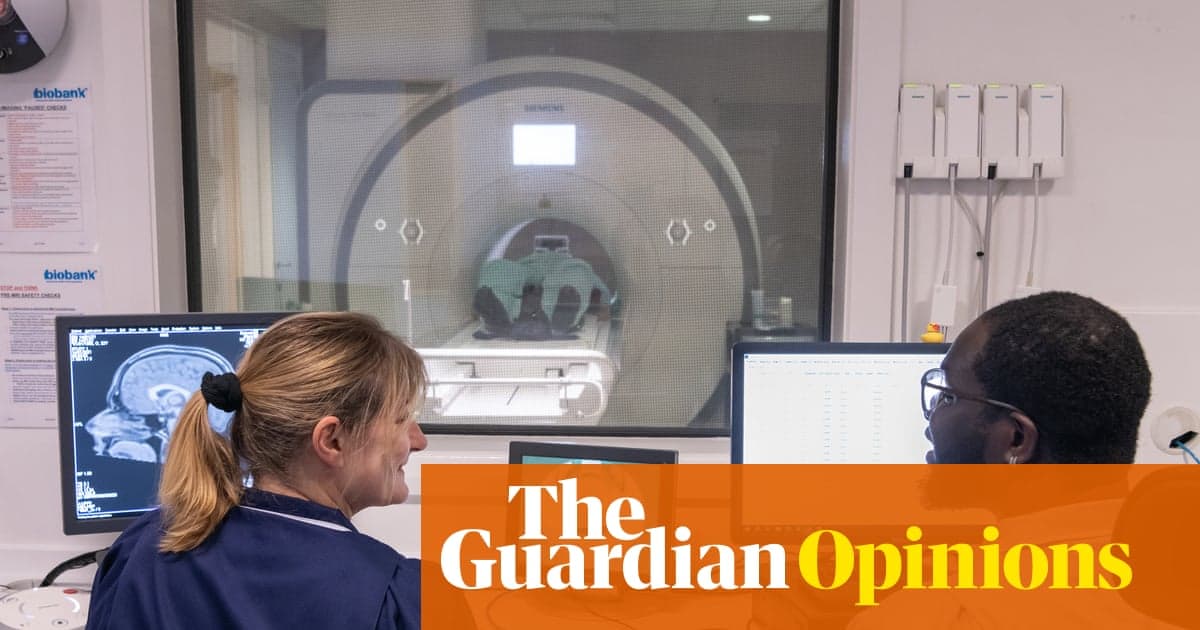
UK Biobank Has My Data, but I’m Not Worried. I Know the Benefits Are Too Great to Consider Pulling Out | Polly Toynbee
Companies Mentioned
Why It Matters
The episode illustrates the delicate balance between open scientific data and privacy, influencing policy and participant confidence in large‑scale health research.
Key Takeaways
- •UK Biobank data appeared on Alibaba but contained no personal identifiers
- •Only ~50 participants withdrew after the breach, showing strong trust
- •Biobank’s research enabled early detection of ALS and a key Alzheimer’s gene
- •AI de‑anonymisation threatens privacy, prompting calls for stricter data laws
- •Survey fatigue cut response rates by up to 40% over a decade
Pulse Analysis
The UK Biobank remains one of the world’s most ambitious longitudinal health initiatives, cataloguing genetics, biomarkers and lifestyle data from 500,000 volunteers recruited between 2006 and 2010. When a rogue listing surfaced on Alibaba, the episode sparked a media frenzy, yet the dataset contained only anonymised measurements—no names, NHS numbers or addresses. Rapid action by the science ministry and the Biobank’s own communications team limited fallout; fewer than one‑hundred participants inquired about withdrawal, and only about fifty actually opted out, underscoring the deep trust the NHS‑backed program enjoys.
Beyond the immediate reassurance, the incident raises critical questions about data stewardship in an era of powerful AI tools. Researchers demonstrate that sophisticated algorithms can re‑identify individuals from ostensibly anonymised datasets, prompting bioethicists and regulators to call for tighter legal safeguards. The UK’s centralized NHS infrastructure, which enables seamless data aggregation, contrasts sharply with the fragmented, private‑driven U.S. system, highlighting why the UK can leverage such scale for breakthroughs like early‑stage ALS blood tests and the discovery of a predominant Alzheimer’s gene. Policymakers must now reconcile the benefits of open science with robust privacy frameworks to sustain global collaboration.
Participant engagement, however, is the linchpin of any cohort study. Survey fatigue—exemplified by a drop from 80% to 40% response rates in military mental‑health surveys—threatens the Biobank’s future recruitment, especially as AI accelerates data analysis demands. Initiatives like the new "Our Future Health" drive aim to enlist five million volunteers, offering a modest £10 token (approximately $12.5) as an incentive. Maintaining public confidence will require transparent data use policies, continuous communication, and perhaps a re‑imagined consent model that balances scientific openness with individual privacy expectations.
UK Biobank has my data, but I’m not worried. I know the benefits are too great to consider pulling out | Polly Toynbee
Comments
Want to join the conversation?
Loading comments...