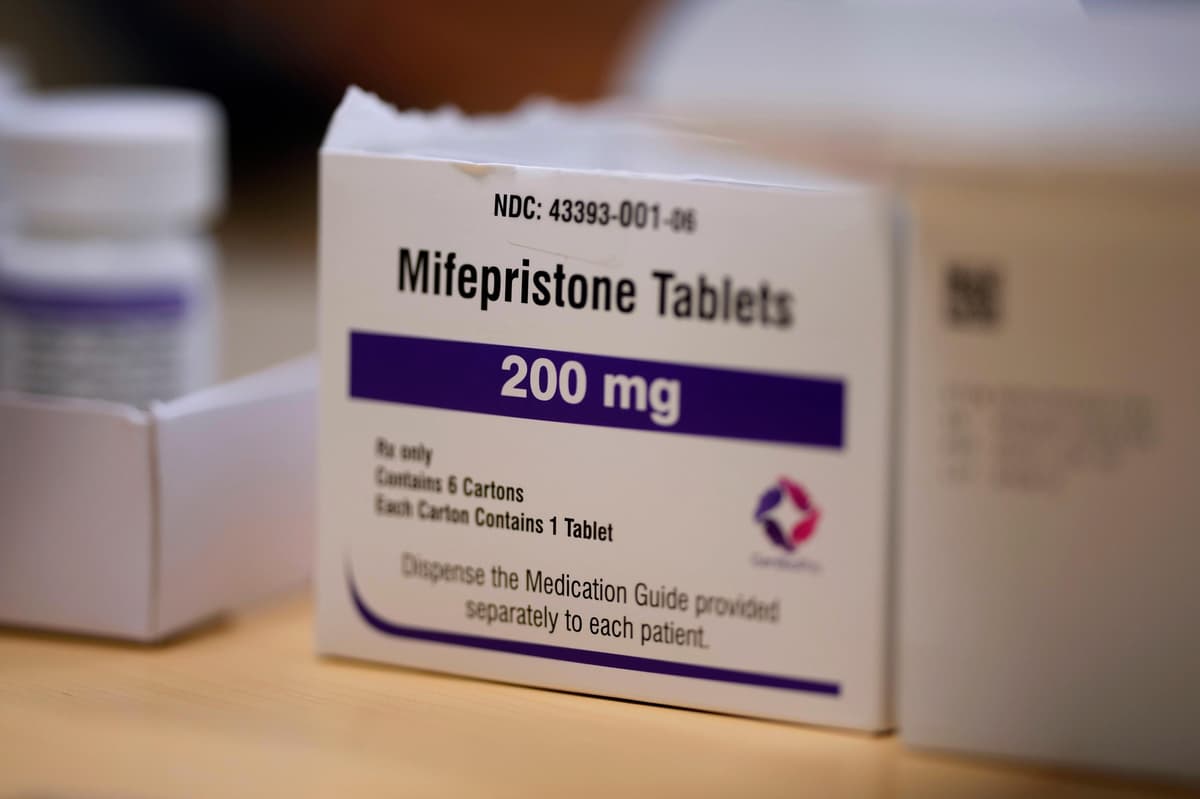
U.S. Courts Are Once Again Litigating Abortion Pill’s Distribution By Mail
Why It Matters
The decision will determine whether federal drug‑regulation authority can be limited by courts, directly affecting nationwide access to medication abortion and setting a precedent for future FDA‑mandated safety programs.
Key Takeaways
- •Fifth Circuit limited mifepristone to clinics, reversing FDA mail rule
- •Supreme Court temporarily reinstated mail access for one week
- •Medication abortions now exceed 60% of U.S. procedures
- •FDA safety data shows less than 1% adverse events
- •Political pressure may trigger stricter REMS regulations on the pill
Pulse Analysis
The legal tug‑of‑war over mifepristone reflects a broader clash between judicial authority and federal drug regulation. Approved by the FDA in 2000, the pill gained expanded access in 2021 when the agency permitted telemedicine prescriptions and mail delivery. Proponents argue that these changes have modernized reproductive health care, while opponents cite a non‑peer‑reviewed study from a conservative think tank to question safety. The Fifth Circuit’s recent ruling effectively rescinds those FDA provisions, limiting distribution to clinics and pharmacies and reigniting a debate that has intensified since the 2022 overturning of Roe v. Wade.
The Supreme Court’s one‑week stay of the Fifth Circuit’s order temporarily restores mail‑order access, underscoring the high stakes for patients who rely on medication abortion. Over 60% of abortions in the United States now occur via pills, a shift driven by the convenience and privacy of at‑home regimens. FDA data show an adverse‑event rate of less than 1%, far lower than many over‑the‑counter drugs, reinforcing the medical community’s consensus on safety. This brief reprieve highlights how quickly policy shifts can affect millions of women seeking timely care.
Beyond mifepristone, the case signals a potential erosion of the FDA’s regulatory prerogatives. Health and Human Services Secretary Robert F. Kennedy Jr. has launched a review of the drug’s Risk Evaluation and Mitigation Strategy, hinting at stricter prescribing rules. If courts continue to curtail FDA authority, other pharmaceuticals could face similar challenges, reshaping the landscape of drug safety oversight. Stakeholders—from providers to advocacy groups—are watching closely, as the final Supreme Court decision will likely set a lasting precedent for how medical products are governed amid a polarized political environment.
U.S. Courts Are Once Again Litigating Abortion Pill’s Distribution By Mail
Comments
Want to join the conversation?
Loading comments...