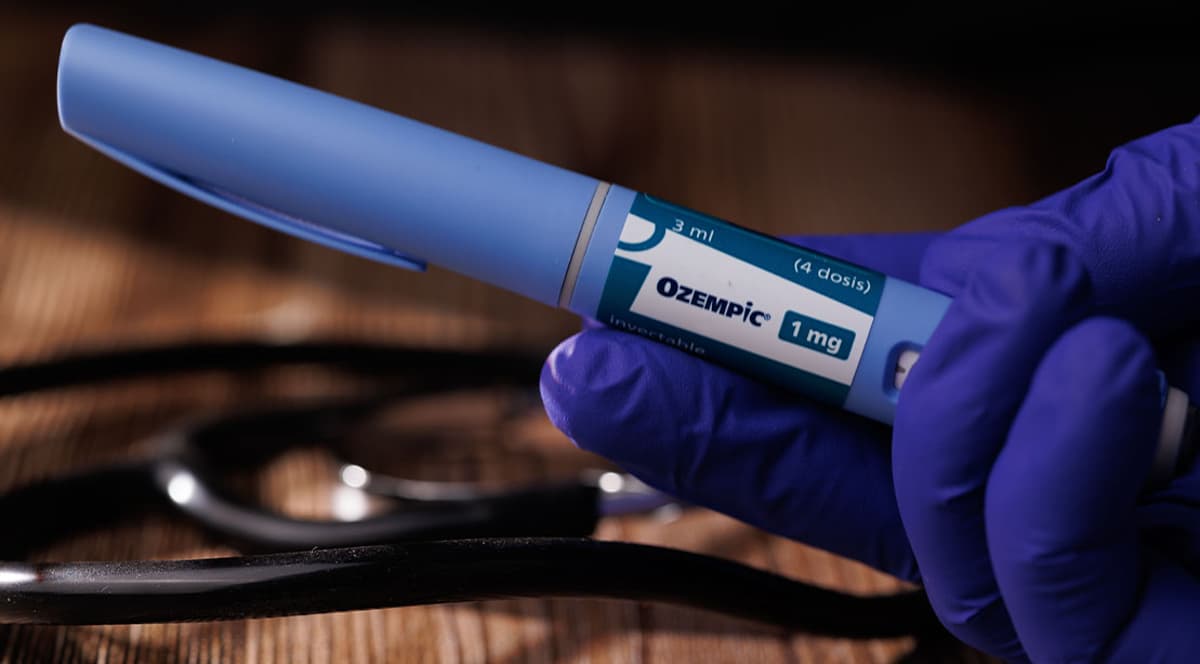
What Happens When You Stop Ozempic or Mounjaro? New Study Reveals Surprising Weight-Loss Results
Companies Mentioned

Why It Matters
The findings suggest real‑world discontinuation of GLP‑1 drugs does not inevitably trigger rapid weight regain, informing clinicians and payers about the durability of treatment benefits and the need for continued support.
Key Takeaways
- •Real‑world data show only 0.5% weight regain after stopping semaglutide.
- •Diabetes patients lost 4.4% weight, then shed extra 1.3% post‑treatment.
- •20% restart original GLP‑1; 14% adopt diet and activity changes.
- •Cost and side effects are primary reasons patients discontinue injectables.
- •Personalized follow‑up lowers rebound risk and steers alternative therapy choices.
Pulse Analysis
GLP‑1 receptor agonists such as semaglutide and tirzepatide have reshaped the obesity and diabetes markets, with annual U.S. sales projected to exceed $10 billion. Their appetite‑suppressing mechanism delivers rapid weight loss, prompting widespread off‑label use. Yet clinicians have grappled with a key question: does stopping these injectables erase the gains? The Cleveland Clinic’s real‑world cohort of 7,938 patients offers a data‑driven answer, showing that weight rebound is modest when patients transition to other strategies, contrasting sharply with earlier randomized‑trial observations that suggested swift regain.
The study uncovered nuanced outcomes. Obesity‑focused patients averaged an 8.4% loss and regained just 0.5% after a year off therapy, while those treating type‑2 diabetes lost 4.4% and continued to lose an extra 1.3% post‑discontinuation. Notably, 20% of participants resumed their original GLP‑1 regimen, and 14% pivoted to diet, exercise, or other lifestyle interventions. These patterns indicate that patient‑driven continuity—whether through medication re‑initiation or structured lifestyle programs—mitigates weight rebound. For providers, the data underscore the importance of proactive follow‑up plans that anticipate drug holidays and incorporate alternative weight‑management pathways.
From an industry perspective, the findings temper concerns that high discontinuation rates will erode long‑term market growth. Instead, they highlight an opportunity for pharmaceutical firms to develop companion services, such as digital coaching platforms, that keep patients engaged after the needle is set aside. Payers may also view the modest regain as a justification for continued coverage, especially when cost remains a primary barrier to adherence. Future research should compare the effectiveness of post‑GLP‑1 interventions, guiding clinicians toward evidence‑based sequences that sustain weight loss while managing side‑effect profiles and financial constraints.
What Happens When You Stop Ozempic or Mounjaro? New Study Reveals Surprising Weight-Loss Results
Comments
Want to join the conversation?
Loading comments...