Will Insurance Cover Neck Surgery Implants? Spine Societies Speak Out
Why It Matters
Denial of coverage for proven interbody implants can increase revision surgeries, raise overall healthcare spending, and erode the surgeon‑patient relationship that underpins quality care.
Key Takeaways
- •Insurers label titanium cages “experimental” despite 25‑year standard use
- •Spine societies AANS, CNS, NASS, SRS demand coverage for interbody devices
- •Evidence shows cages reduce revision rates and long‑term costs versus allograft
- •Denials threaten surgeon‑patient decision making and overall care quality
- •Cost‑control arguments overlook downstream savings from lower subsidence and reoperations
Pulse Analysis
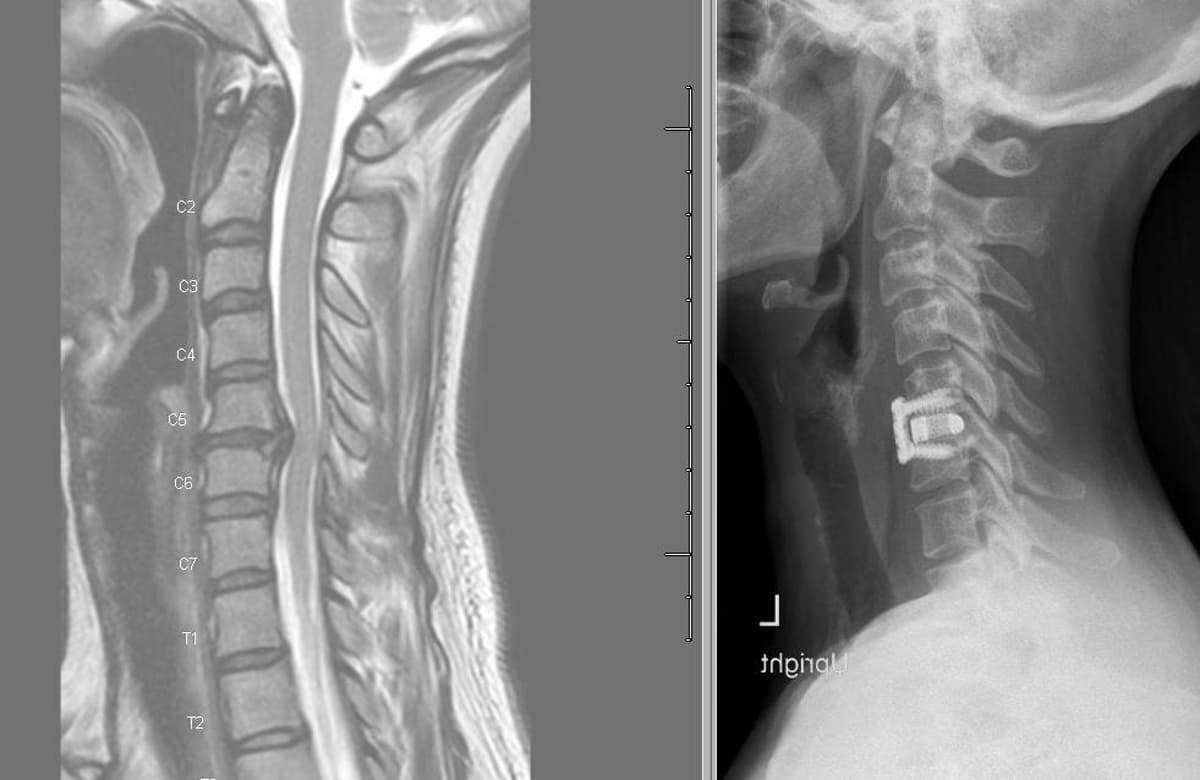
Anterior cervical discectomy and fusion (ACDF) remains a cornerstone procedure for cervical spine degeneration, with interbody spacers essential for restoring disc height and promoting solid bony fusion. Modern titanium cages, especially 3‑D‑printed porous designs, offer superior biomechanical stability, lower subsidence rates, and reliable osseointegration compared with structural allograft. While alternatives such as PEEK and donor bone exist, peer‑reviewed studies consistently demonstrate that cages achieve better radiographic alignment and fewer revision surgeries, translating into tangible clinical benefits for patients with radiculopathy or myelopathy.
Payers argue that the higher upfront cost of manufactured cages is unjustified, favoring cheaper allograft options to curb expenditures. However, this short‑term perspective neglects the full economic picture. Revision surgeries, prolonged rehabilitation, and potential complications from suboptimal fusion can far exceed the price differential. By denying coverage, insurers risk inflating downstream costs, undermining value‑based care initiatives, and creating a moral hazard where clinicians feel pressured to select lower‑cost implants regardless of patient‑specific anatomy or bone quality.
The unified stance of leading spine societies—AANS, CNS, NASS and SRS—signals a decisive shift toward evidence‑based reimbursement. Their consensus underscores that interbody devices are no longer experimental but standard of care, backed by decades of data. Aligning payer policies with this professional endorsement could streamline surgical planning, preserve the integrity of the surgeon‑patient relationship, and ultimately reduce total episode costs. As healthcare moves toward outcome‑focused models, insurers that adapt their coverage criteria to reflect contemporary spine surgery evidence will likely see improved patient satisfaction and lower long‑term spending.
Will Insurance Cover Neck Surgery Implants? Spine Societies Speak Out
Comments
Want to join the conversation?
Loading comments...