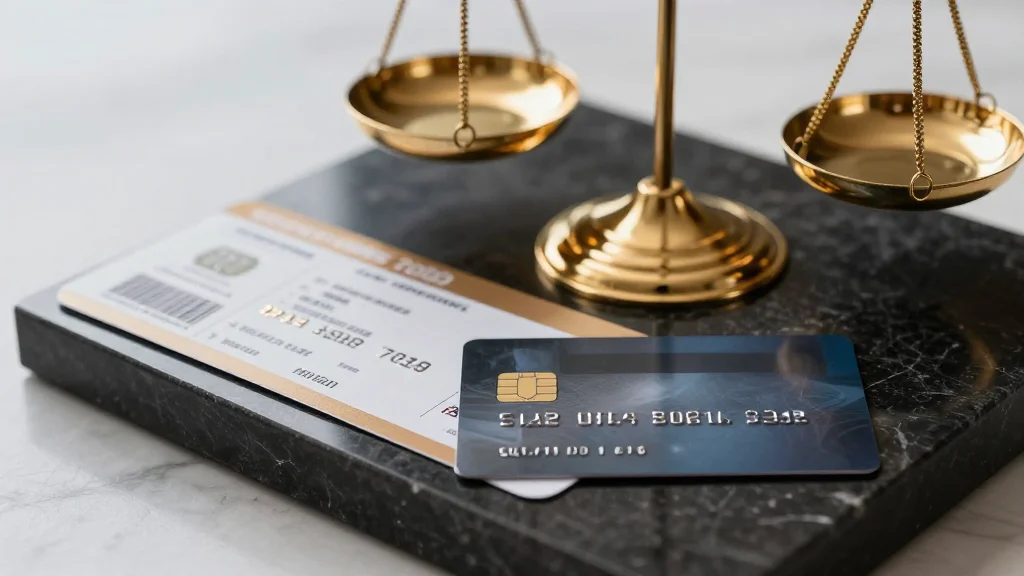
Airlines Secretly Sold Your Travel And Payment Data To The IRS And FBI — Now They’re Being Sued
Key Takeaways
- •ARC sold over 1 billion travel records to multiple U.S. agencies.
- •Data included passenger names, itineraries, fare and credit‑card details.
- •Lawsuit alleges violation of the Right to Financial Privacy Act.
- •TD Bank processed payments but did not directly request agency data.
- •Case could reshape privacy rules for airline‑industry data sharing.
Pulse Analysis
The Airlines Reporting Corporation sits at the nexus of airline ticketing and financial settlement, handling roughly $100 billion in bookings each year. By aggregating passenger names, itineraries, fare classes and credit‑card details into a searchable "Travel Intelligence Program," ARC created a gold‑mine for government investigators seeking to cross‑reference travel patterns with tax, law‑enforcement or security inquiries. While agencies such as the IRS and FBI traditionally require a subpoena or warrant to access financial records, ARC’s model effectively bypassed those safeguards, offering real‑time data for a fee.
Under the Right to Financial Privacy Act, a financial institution may disclose a customer’s records only after a formal legal process, and the Gramm‑Leach‑Bliley Act imposes notice‑and‑opt‑out requirements for sharing nonpublic personal information. Critics argue that ARC’s database, populated with bank‑derived transaction data, falls squarely within the definition of a protected financial record, making the agency sales a potential statutory breach. TD Bank’s involvement adds complexity: the bank processed the payments but did not directly provide the data to the government, instead allowing ARC to sell the derived information, raising questions about liability and the proper scope of the bank’s privacy obligations.
The lawsuit could set a precedent that forces the travel industry to reevaluate data‑sharing practices with federal entities. A ruling against ARC may trigger stricter oversight, mandatory consent mechanisms, and heightened penalties for non‑compliance, prompting airlines and settlement firms to invest in more robust privacy architectures. For consumers, the case underscores the growing tension between convenience‑driven data ecosystems and the expectation of financial privacy, a balance that regulators will likely scrutinize closely in the coming years.
Airlines Secretly Sold Your Travel And Payment Data To The IRS And FBI — Now They’re Being Sued
Comments
Want to join the conversation?