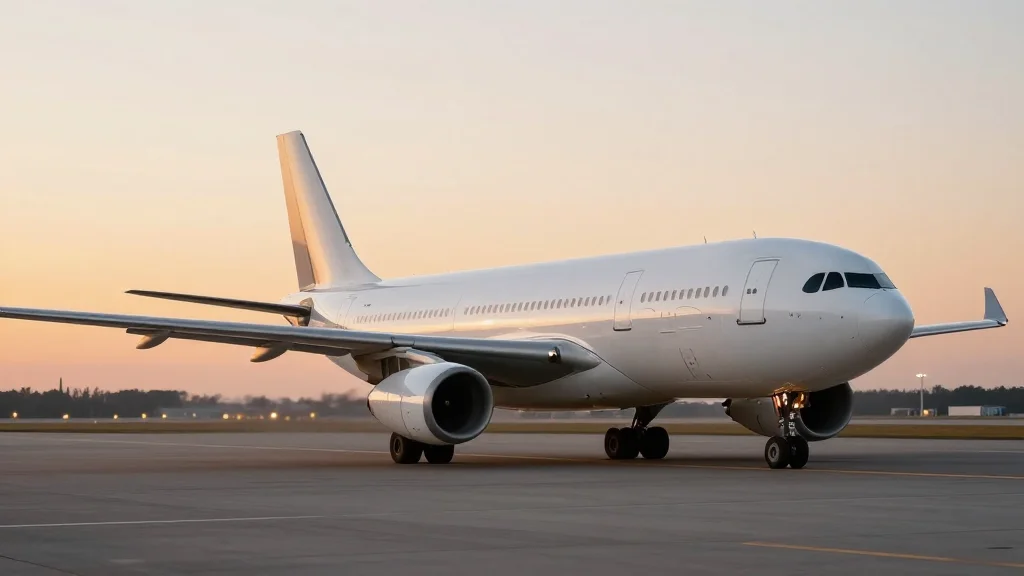
American Retired 40% Of Its Long Haul Planes During Covid — Many Are Now Headed To A New Airline
Key Takeaways
- •American retired 75 wide‑body jets, 40% of its long‑haul fleet
- •A330‑200 retirements cost $100‑$200 million in lost flexibility
- •United preserved options, later leased Airbus to fill Boeing delays
- •Post‑pandemic transatlantic demand surged 40% in 2023, hurting AA
- •Chicago hub lost gates as AA cut thin‑route capacity
Pulse Analysis
American Airlines’ pandemic‑era fleet purge was a textbook case of risk‑averse cash management colliding with a misread market horizon. While cash‑strapped carriers slashed capacity, United chose an option‑preserving stance, deferring retirements and later leasing Airbus aircraft to hedge Boeing delivery delays. American’s decision to retire 24 A330s—most of them owned—alongside 17 767‑300ERs and 34 757s eliminated cheap, long‑haul platforms that could have been redeployed as demand surged. The airline recorded about $1.4 billion in non‑cash write‑downs and $102 million in cash charges, a financial hit that pales compared with the strategic cost of lost market share.
When international traffic rebounded in 2023, transatlantic passenger volumes rose roughly 40% and continued climbing in 2024, surpassing pre‑pandemic levels. American’s depleted wide‑body fleet forced it to rely on a limited number of 787s, many of which were deferred to 2028, constraining its ability to add frequencies or open new routes. The missed opportunity was most evident on Europe and Asia corridors where competitors quickly filled the gap with newer, fuel‑efficient aircraft, while American struggled to offer competitive capacity and pricing.
The episode underscores a broader lesson for legacy carriers: fleet flexibility is a strategic asset, not merely a balance‑sheet line item. Preserving a mix of owned and lease‑back options enables airlines to scale up quickly when demand recovers, as United demonstrated by leasing Airbus A321XLRs and A330‑900s. As the industry eyes a post‑COVID growth phase and anticipates future shocks, American’s experience will likely drive a reassessment of aggressive retirement policies, emphasizing scenario‑based planning over short‑term cash preservation.
American Retired 40% Of Its Long Haul Planes During Covid — Many Are Now Headed To A New Airline
Comments
Want to join the conversation?