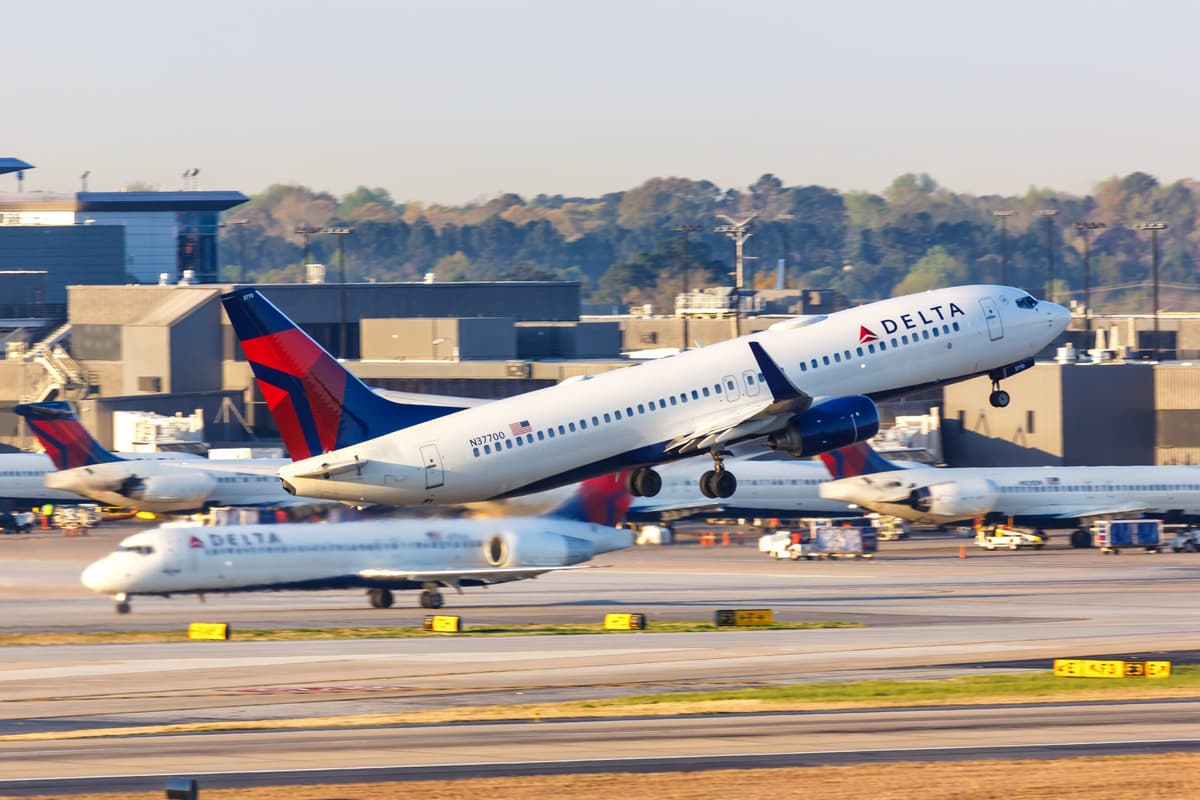
Atlanta Is Considering Ditching the TSA For a Private Screening Company at Hartsfield-Jackson International Airport
Key Takeaways
- •Atlanta council orders 90‑day feasibility study on private security.
- •36% TSA absentee rate during shutdown caused multi‑hour delays.
- •Only 20‑22 U.S. airports use SPP; none are Category X.
- •Private screeners shown to match or exceed federal security performance.
Pulse Analysis
Since its creation in the wake of 9/11, the Transportation Security Administration has been the backbone of U.S. airport screening, but its uniform approach has faced criticism over efficiency, staffing resilience, and budget growth. The Screening Partnership Program, launched in 2005, allows airports to contract vetted private firms while retaining federal oversight. To date, roughly 20‑22 airports—mostly midsize facilities—have opted in, reporting comparable security metrics and modest productivity gains, but the model remains untested at a Category X hub like Atlanta.
Atlanta Hartsfield‑Jackson, the world’s busiest airport, experienced a dramatic service disruption during the recent federal shutdown when more than a third of its TSA workforce failed to report for duty. The resulting bottlenecks cost airlines millions in delayed flights and eroded traveler confidence. Council leaders see the SPP model as a way to insulate operations from future government impasses, potentially lowering labor costs and improving checkpoint throughput. However, the airport’s Category X designation—reserved for the highest‑risk locations—means any private transition must meet stringent security standards, a hurdle no other U.S. airport has yet cleared.
Nationally, the proposal aligns with a broader political push to trim the TSA budget, a goal championed by the Trump administration and echoed in bipartisan discussions about efficiency. A successful private‑screening pilot at Atlanta could accelerate the SPP rollout, prompting other major hubs to reconsider their reliance on federal agents. Yet critics warn that delegating critical security functions to contractors may dilute accountability and complicate inter‑agency coordination. The upcoming feasibility study will therefore be a litmus test for balancing cost savings, operational reliability, and the uncompromising security expectations of a post‑9/11 aviation landscape.
Atlanta is Considering Ditching the TSA For a Private Screening Company at Hartsfield-Jackson International Airport
Comments
Want to join the conversation?