Building Zero-Proof Beverage Programs for Gen Z’s Sober Shift
Key Takeaways
- •Over one‑third of Gen Z are abstaining from alcohol.
- •Zero‑proof drinks can match high margins of cocktails.
- •Bundling non‑alcoholic drinks with prix‑fixe boosts check size.
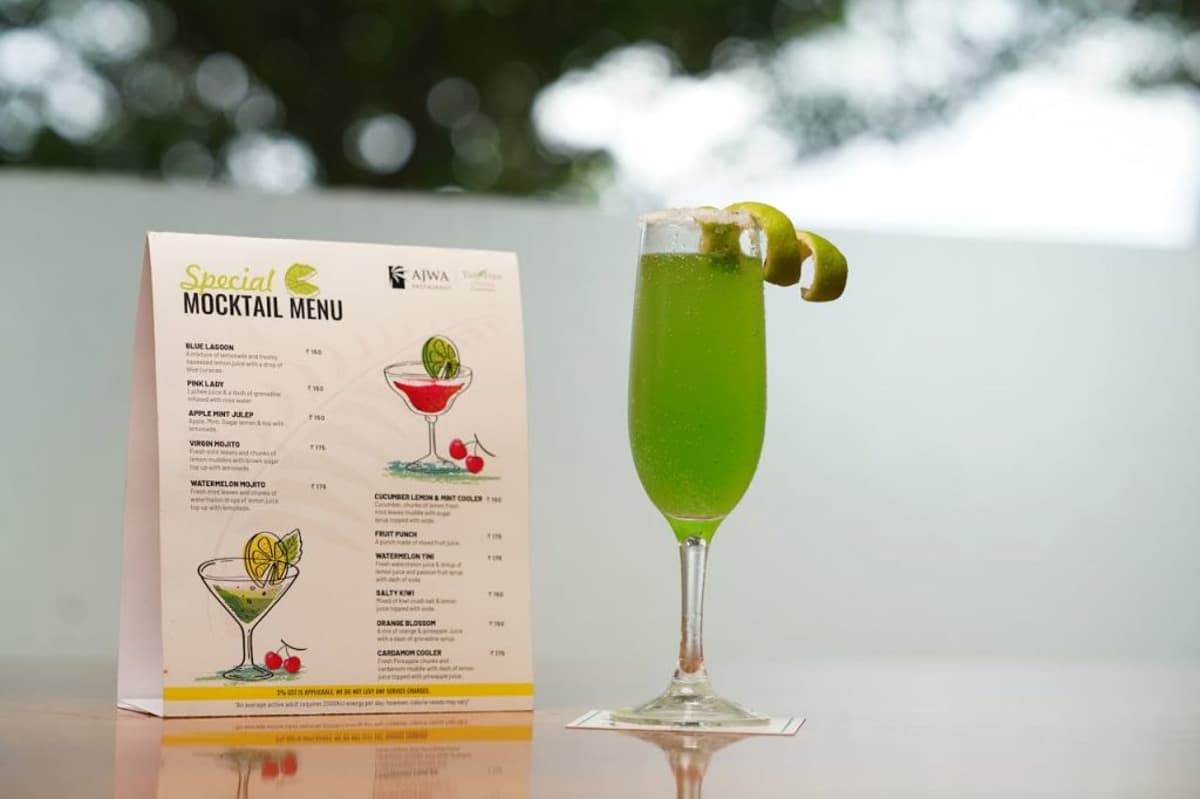
- •Dedicated menu sections and glassware elevate sober options.
- •Sober events like coffee raves attract new daytime traffic.
Pulse Analysis
The rise of the sober‑curious consumer reflects broader health and values trends among Gen Z, who now view drink choices as identity signals. This demographic’s preference for low‑or‑no‑alcohol options is not a fleeting fad; it is driving a permanent reallocation of spending toward premium non‑alcoholic beverages, specialty teas, kombucha, and adaptogenic drinks. Restaurants that ignore this shift risk losing a growing segment of diners who seek experiences that align with their lifestyle, while early adopters can differentiate their brand and capture loyalty before competitors catch up.
From an operational standpoint, treating zero‑proof offerings as a profit center requires thoughtful menu architecture and staff education. Placing non‑alcoholic drinks in a dedicated, well‑named section, pricing them on par with cocktails, and pairing them with food through prix‑fixe bundles can lift the average check without sacrificing perceived value. Investing in distinctive glassware and crafting house‑made sodas or infused waters elevates the presentation, encouraging social media sharing and repeat visits. Training servers to recommend pairings transforms a simple water order into a curated experience, mirroring the upsell dynamics of traditional bar programs.
Beyond the table, sober‑centric events open new revenue streams and broaden the customer base. Coffee raves, daytime brunch pop‑ups, and family‑friendly mocktail tastings attract patrons who might otherwise avoid alcohol‑heavy venues, extending operating hours and increasing table turnover. Offering take‑home bottles of signature non‑alcoholic concoctions adds a retail component, turning a single dining experience into multiple purchase opportunities. As the sober movement matures, establishments that embed intentional, high‑margin zero‑proof programs into their core identity will not only safeguard existing profits but also unlock untapped growth in a market poised for sustained expansion.
Building Zero-Proof Beverage Programs for Gen Z’s Sober Shift
Comments
Want to join the conversation?