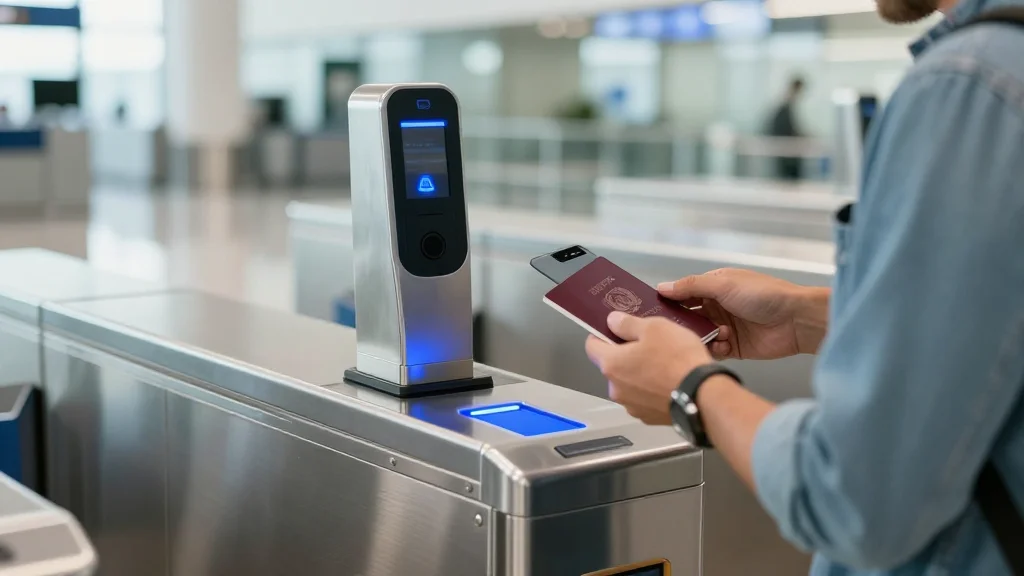
Charlotte Douglas International Airport Tests New TSA E-Gates for Faster Security
Key Takeaways
- •Eight facial‑recognition e‑Gates installed at CLT’s Checkpoint 2.
- •Only TSA PreCheck and Touchless ID travelers can use the gates.
- •Pilot runs May‑July, aiming to cut 3 seconds per passenger.
- •Expected to ease queues during peak summer traffic of 40k‑44k daily.
- •Officers freed from ID checks can focus on baggage and alarms.
Pulse Analysis
The e‑Gate rollout at Charlotte Douglas reflects a broader shift toward biometric self‑service in aviation security. By leveraging facial recognition, the system eliminates the manual document hand‑off that traditionally slows PreCheck lanes. While the three‑second per‑passenger reduction sounds modest, multiplying that gain across 35,000‑44,000 daily travelers yields a cumulative time saving of several hours, directly translating into shorter lines and a smoother passenger experience during the busiest season.
Beyond passenger convenience, the technology reshapes workforce allocation. TSA agents previously stationed at document verification points can be redeployed to monitor baggage screening, respond to alarms, or address emerging threats. This flexibility is especially valuable as airports grapple with staffing constraints and heightened security demands. The pilot’s data collection will inform whether the operational efficiencies justify broader adoption, potentially setting a new baseline for checkpoint staffing models nationwide.
Industry observers see CLT’s experiment as a bellwether for the next generation of airport security. As airlines and airports push for higher throughput without expanding physical infrastructure, biometric e‑Gates offer a scalable solution that aligns with the digital‑first expectations of today’s travelers. Successful validation could accelerate similar deployments at other high‑traffic hubs, driving a cascade of investments in facial‑matching hardware, software integration, and privacy safeguards. In turn, the travel ecosystem may witness faster turn‑around times, improved resource utilization, and a more resilient security posture across the United States.
Charlotte Douglas International Airport Tests New TSA e-Gates for Faster Security
Comments
Want to join the conversation?