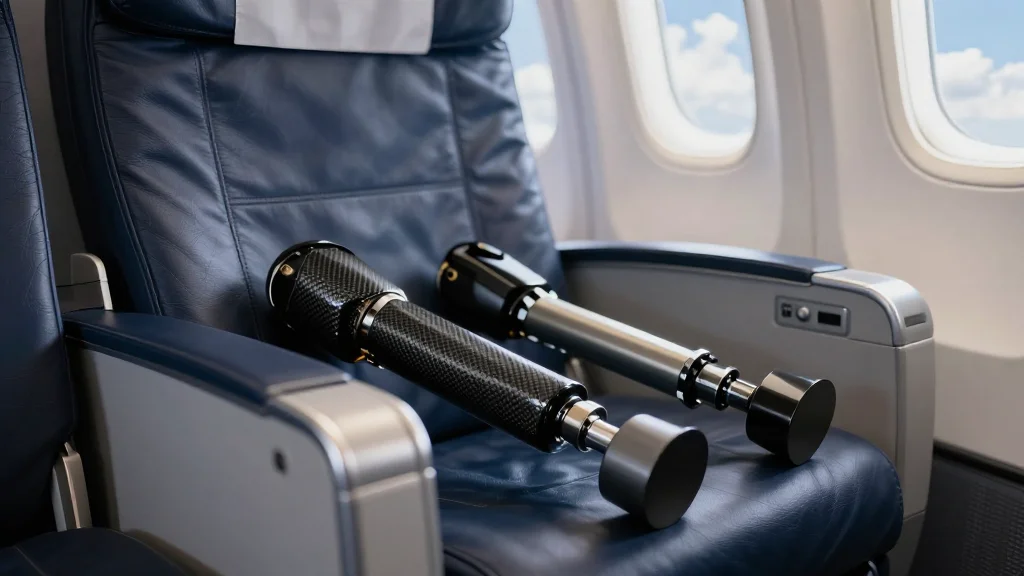
Double Partial Amputee Challenged By United Airlines Over Preboarding. Fake Wheelchair Requests Make Gate Agents Skeptical
Key Takeaways
- •United pre‑boarding policy mandates assistance for self‑identified disabled passengers.
- •Passenger, a double partial amputee, initially denied pre‑boarding but later allowed.
- •Incident highlights tension between genuine needs and skepticism from prior fake requests.
- •14 CFR § 382.93 protects disabled travelers’ right to pre‑board.
- •False disability claims strain airline resources and erode trust.
Pulse Analysis
U.S. airlines are bound by 14 CFR § 382.93, which requires carriers to offer pre‑boarding to passengers who self‑identify as needing additional time or assistance. United Airlines follows this rule by placing wheelchair users and other disabled travelers in a dedicated pre‑boarding window before Group 1. The regulation is designed to prevent discrimination and ensure that passengers with mobility challenges can board safely, without having to navigate crowded aisles or rush onto the jet bridge.
In the recent United incident, a business‑class passenger who is a double partial amputee and uses a cane was initially told to wait with Group 1 despite a clear request for assistance. After escalating the issue to a second gate agent, the passenger was permitted to pre‑board, and United later confirmed the boarding occurred before general boarding began. The episode illustrates how gate‑agent stress, misinterpretation of a passenger’s visible mobility, and the passenger’s premium status can create friction, even when the airline’s policies are correctly applied. It also underscores the importance of the Complaint Resolution Official as a recourse for travelers who feel their rights are challenged.
The broader industry challenge lies in balancing genuine disability accommodations with the rise of fraudulent pre‑boarding claims. Repeated false requests can exhaust wheelchair staff, delay boarding for those who truly need assistance, and foster cynicism among airline employees. This skepticism can inadvertently lead to stricter gate‑agent scrutiny, risking the denial of legitimate accommodations. Airlines must therefore invest in staff training, clear communication protocols, and robust verification processes to protect both the integrity of disability services and the rights of passengers who rely on them.
Double Partial Amputee Challenged By United Airlines Over Preboarding. Fake Wheelchair Requests Make Gate Agents Skeptical
Comments
Want to join the conversation?