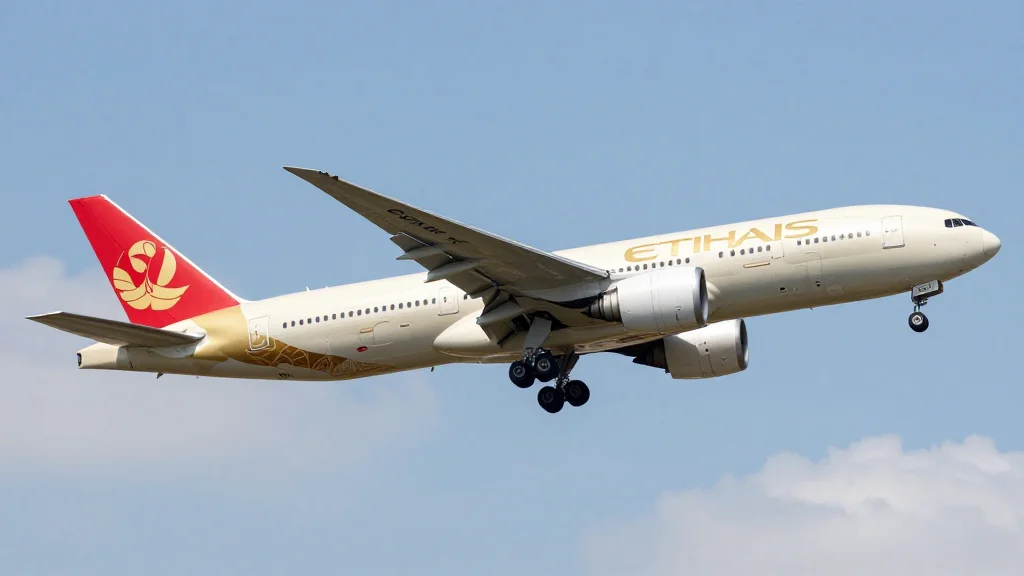
Etihad Airways Reveals Major Israel Expansion With up to Six Daily Flights to Tel Aviv Serving Pent Up Demand
Key Takeaways
- •Etihad will operate up to six daily Abu Dhabi‑Tel Aviv flights.
- •Weekly frequency rises to 42, eclipsing Riyadh and London routes.
- •Expansion targets Israeli travelers connecting to Asia and the US.
- •Etihad uses 777‑300 aircraft, seating up to 370 passengers.
- •Emirates remains absent from Tel Aviv despite Israeli incentives.
Pulse Analysis
Etihad’s decision to triple its Abu Dhabi‑Tel Aviv frequency reflects the broader impact of the Abraham Accords on Middle‑East aviation. Since the 2020 diplomatic breakthrough, the UAE has become a gateway for Israeli passengers seeking long‑haul connections that Israel’s own airports cannot efficiently serve. By leveraging its 777‑300 fleet, Etihad can accommodate up to 370 seats per flight, directly addressing the backlog of travelers eager to reach Asian leisure markets that have been underserved since the October 2023 conflict disrupted regional routes.
The new schedule, slated for mid‑June, will raise weekly departures to 42, overtaking Etihad’s busiest routes to Saudi Arabia and the United Kingdom. This aggressive scaling not only fills a capacity void left by carriers that have curtailed Israel service, but also positions Etihad as the preferred conduit for Israeli tourists heading to destinations such as Bangkok, Phuket, India and even the United States. The airline’s focus on connecting traffic rather than point‑to‑point leisure trips to Abu Dhabi aligns with its broader network strategy of maximizing aircraft utilisation on short‑haul legs that feed long‑haul demand.
While Emirates has yet to resume flights to Tel Aviv despite offers of Seventh Freedom rights, Etihad’s expansion signals confidence in the stability of the UAE‑Israel partnership and the profitability of the market. The move is likely to boost Etihad’s ancillary revenues, improve load factors on its wide‑body fleet, and reinforce the UAE’s role as a regional hub. Analysts will watch whether this aggressive growth spurs Emirates to reconsider its stance, potentially reshaping competitive dynamics across the Gulf’s international carrier landscape.
Etihad Airways Reveals Major Israel Expansion With up to Six Daily Flights to Tel Aviv Serving Pent Up Demand
Comments
Want to join the conversation?