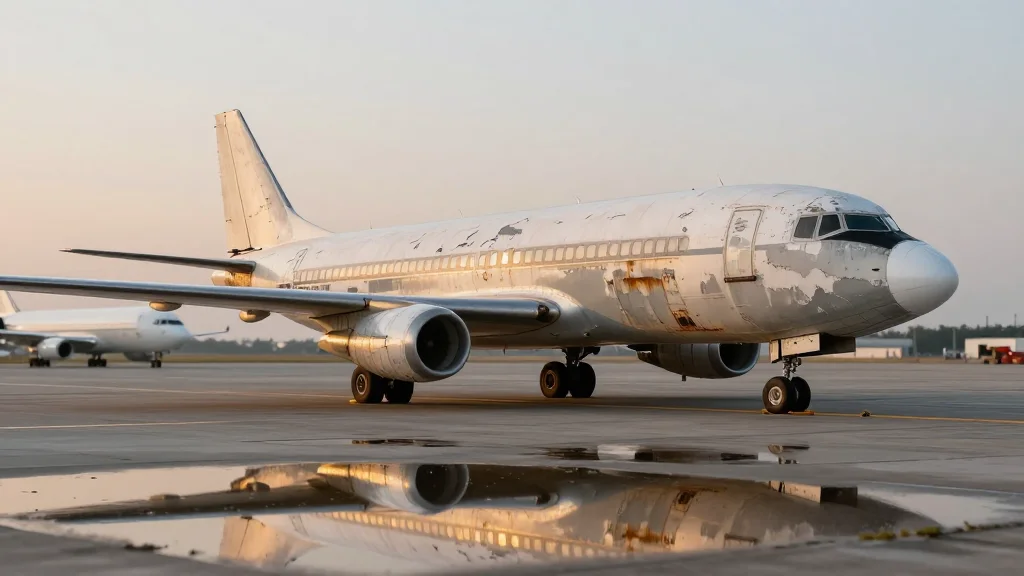
Gone But Not Forgotten: The Rise and Fall of America’s Lost Airlines
Key Takeaways
- •Pan Am and TWA collapsed after oil crises and financial strain
- •Deregulation in 1978 triggered failures of Braniff, Eastern, and others
- •Low‑cost pioneers like People Express and ValuJet shaped today’s budget models
- •Major mergers (Delta‑Northwest, United‑Continental, American‑US Airways) created the “Big Four”
- •Defunct airlines’ routes and innovations still influence modern carrier strategies
Pulse Analysis
The United States airline sector has undergone three dramatic eras: the golden age of legacy carriers, the upheaval after the Airline Deregulation Act of 1978, and the recent wave of consolidation. Deregulation opened routes to competition but also exposed financially fragile carriers. Iconic names such as Pan Am, TWA, Braniff, and Eastern succumbed to oil shocks, labor disputes, or mis‑management, disappearing from the skies within a decade. The recent collapse of Spirit Airlines, once a low‑cost challenger, underscores how even modern carriers remain vulnerable to rising fuel costs and debt burdens.
Beyond their demise, these carriers left a lasting imprint on business models and passenger expectations. People Express and ValuJet proved that ultra‑low fares could attract mass markets, a blueprint later refined by Southwest and Spirit. Branding experiments—from Braniff’s vivid livery to Hooters Air’s novelty theme—showed the power of visual identity. Moreover, route networks inherited through mergers preserved connectivity to secondary cities, shaping today’s hub‑and‑spoke system. Virgin America’s emphasis on Wi‑Fi, mood lighting, and streamlined check‑in set standards that Alaska Airlines later integrated, illustrating how defunct brands can seed industry‑wide tech upgrades.
The legacy of these lost airlines is evident in the current “Big Four”—American, Delta, United and Southwest—which control most domestic capacity. Their dominance raises concerns about fare pressure, service quality, and resilience to economic shocks, as seen in Spirit’s recent bankruptcy. Yet the historical record suggests that disruption is possible when new entrants exploit niche demand or technology, as low‑cost carriers once did. Investors and regulators should watch for emerging business models that could once again reshape the U.S. aviation landscape. Potential policy shifts, such as revisiting slot allocation or encouraging regional start‑ups, could lower barriers and revive competition, echoing the fragmented market of the 1970s.
Gone But Not Forgotten: The Rise and Fall of America’s Lost Airlines
Comments
Want to join the conversation?