Key Takeaways
- •Ancillary revenue now exceeds 20% of hotel earnings
- •Happy hour promotions increase foot traffic and overall tab size
- •Mocktail sales up 300% since 2018, appealing to Gen Z
- •Specialty cocktails and local flavors boost social media visibility
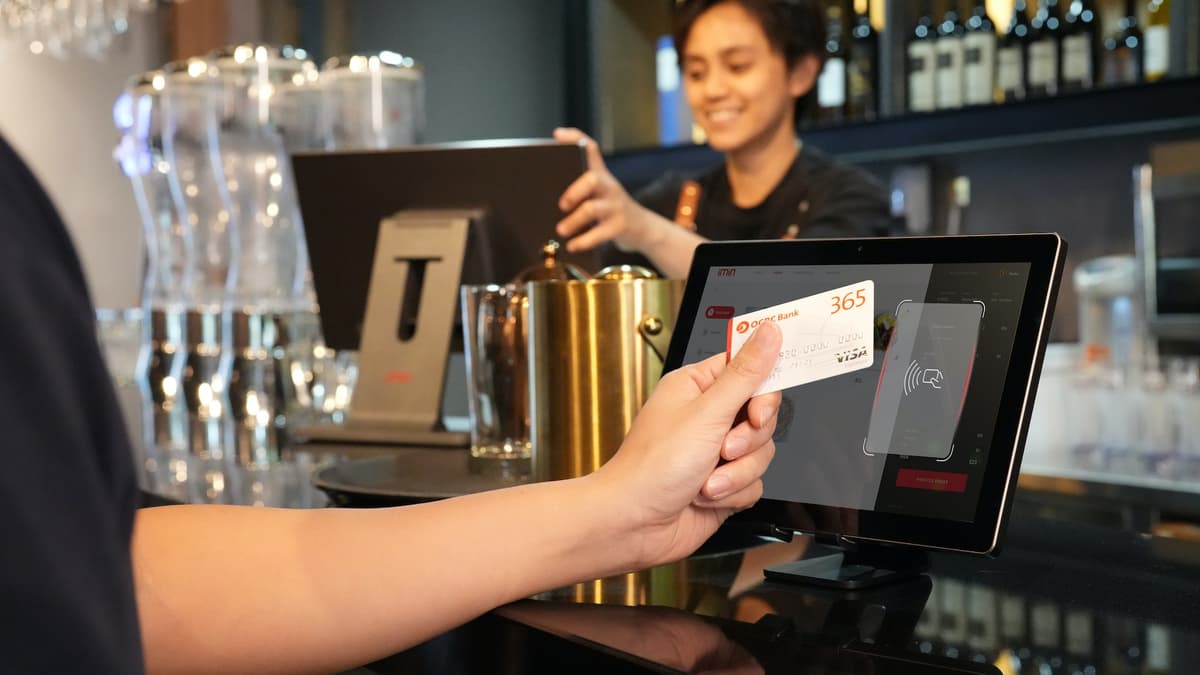
- •Real‑time POS data optimizes inventory and profit margins
Pulse Analysis
The hospitality sector has seen ancillary income eclipse traditional room revenue, with bars alone accounting for a growing slice of the profit pie. Industry analysts project the global bar and café market to reach roughly $627 billion by 2029, underscoring why hotel operators treat the bar as a strategic asset rather than an afterthought. By aligning pricing with perceived value and leveraging happy‑hour specials, hotels can attract both in‑house guests and local patrons, driving higher overall ticket totals while preserving brand reputation.
Beyond price, the modern bar must cater to evolving consumer preferences. Gen Z and health‑conscious travelers are fueling a 300% surge in non‑alcoholic orders, making sophisticated mocktail programs a revenue imperative. Premium upsells—signature wines, artisanal spirits, and limited‑edition cocktails—can be introduced during booking or at the point of sale without pressuring guests. Pairing these drinks with locally sourced ingredients and visually striking presentations fuels social media buzz, turning each patron into a brand ambassador.
Technology is the final piece of the puzzle. Real‑time POS and PMS analytics enable managers to track top‑selling items, adjust inventory on the fly, and identify high‑margin opportunities. Data‑driven insights reduce waste, improve labor scheduling, and sharpen promotional targeting, delivering measurable ROI. Hotels that integrate these tools into their bar operations not only boost immediate sales but also build a differentiated guest experience that supports long‑term loyalty and cross‑selling across the property.
How to Maximize Your Hotel Bar Revenue
Comments
Want to join the conversation?