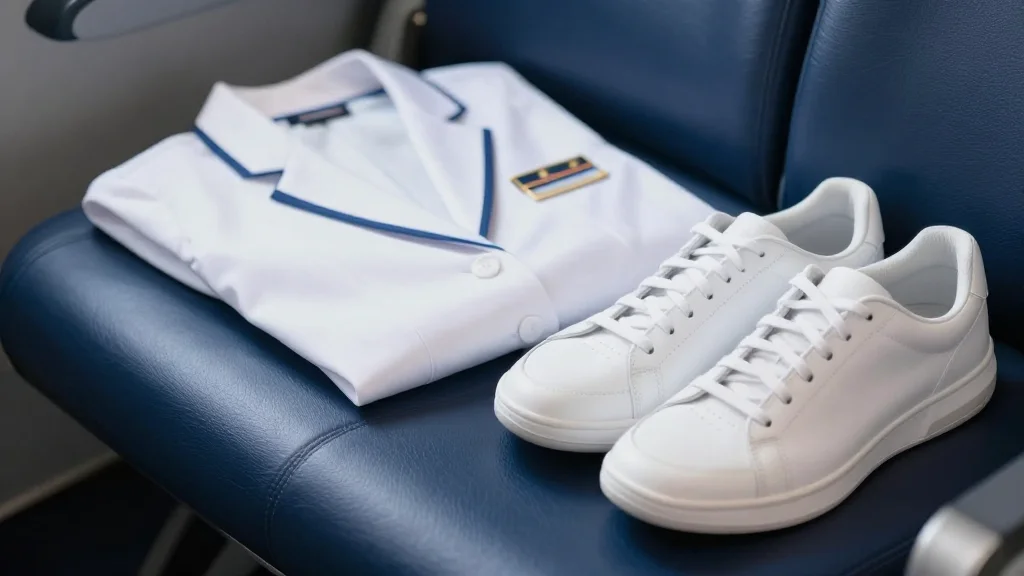
Korean Air Considers Easing Iron Grip On Uniform and Grooming Standards By Letting Flight Attendants Wear Sneakers
Key Takeaways
- •Korean Air may let flight attendants wear sneakers on the ground
- •Change follows Japan Airlines' 2023 sneaker policy for female crew
- •Sneakers could boost comfort, reduce injuries, and improve staff retention
- •Industry trend shows legacy carriers adopting gender‑neutral, functional uniforms
Pulse Analysis
Korean Air’s reputation for exacting grooming standards has long set it apart in the aviation world. From mandatory high‑heeled shoes in airport corridors to strict facial aesthetics, the carrier has even seen candidates undergo cosmetic procedures to meet its criteria. This proposed sneaker policy marks a notable departure, suggesting the airline is responding to employee wellbeing concerns and broader societal pressure for more inclusive workplace norms. By allowing comfortable footwear before boarding, Korean Air could reduce fatigue and the physical strain associated with prolonged heel wear.
The sneaker shift is part of a wider movement across the airline industry. Japan Airlines led the charge in late 2023, permitting plain black sneakers for female crew members even when wearing skirts, a policy driven by staff petitions and a desire to improve service quality. Low‑cost carrier Aero K introduced gender‑neutral uniforms with sneakers from its 2020 launch, while legacy European airlines such as Iberia, KLM, Finnair and SAS have followed suit. These changes reflect a growing recognition that functional attire can boost morale, attract a more diverse talent pool, and align airline brands with contemporary consumer expectations of inclusivity.
For Korean Air, the business implications are significant. Comfortable footwear can lower the incidence of musculoskeletal injuries, reducing medical costs and absenteeism. Enhanced employee satisfaction often translates into higher retention rates, saving on recruitment and training expenses. Moreover, a progressive uniform policy can improve the carrier’s public image, appealing to younger travelers who value corporate responsibility. As other Asian carriers observe Korean Air’s outcomes, the sneaker trend may accelerate, reshaping uniform standards across the region.
Korean Air Considers Easing Iron Grip On Uniform and Grooming Standards By Letting Flight Attendants Wear Sneakers
Comments
Want to join the conversation?