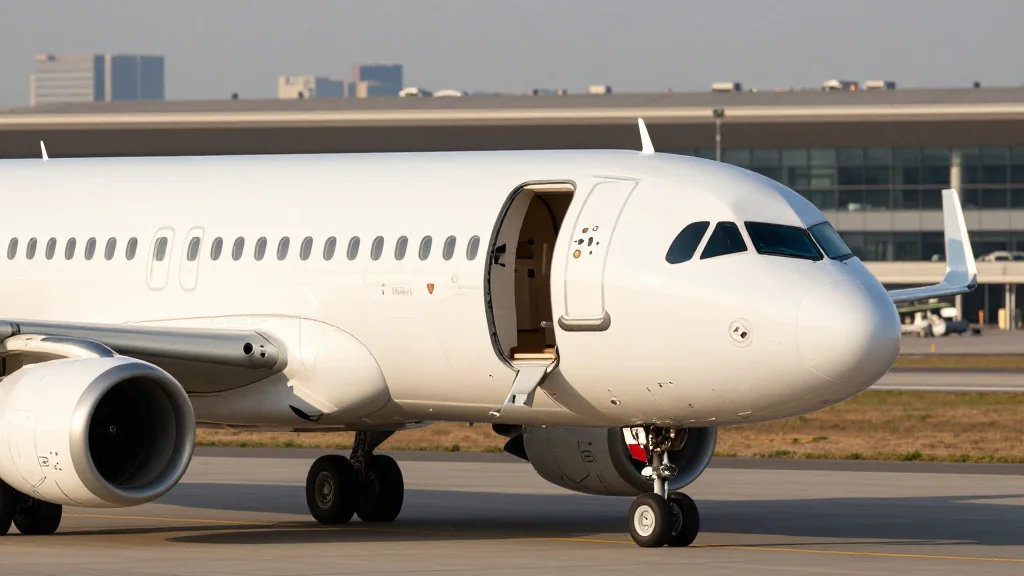
Milan May Open Its Convenient Airport To Long-Haul Flights — But Only For Business Class Passengers
Key Takeaways
- •Linate could host all‑business‑class A321neo transatlantic flights
- •New York demand yields ~327 premium passengers daily, $292 M revenue
- •Proposal limits service to legacy carriers, raising EU competition concerns
- •Slot cap of 18 movements/hour restricts flight frequency
- •Environmental debate: fuel‑efficient narrow‑bodies vs selective premium access
Pulse Analysis
Milan Linate airport has long been constrained by a 1,500‑kilometre radius that confines it to short‑haul European routes. The new draft regulation seeks to carve out an exception for all‑business‑class, narrow‑body aircraft, effectively turning the airport into a premium hub for transatlantic travel. By allowing extended‑range Airbus A321neo or LR/XLR variants, legacy carriers could launch nonstop services to New York, leveraging Linate’s central location and reducing ground‑time for high‑value passengers. This shift reflects a broader industry trend of monetizing cabin space through premium‑only products, especially as airlines chase higher yields amid volatile fuel costs.
The business case hinges on robust demand: last year, Milan‑Malpensa saw roughly 119,000 first‑ and business‑class travelers on the New York corridor, translating to about 327 premium seats daily and $292 million in revenue. A dedicated Linate service could capture a slice of that market while offering a more convenient city‑center departure point. However, the proposal is not without hurdles. EU Open Skies rules demand non‑discriminatory access, and limiting the service to legacy carriers may trigger legal challenges. Moreover, Linate’s strict 18‑movements‑per‑hour slot limit caps the frequency, making a single daily flight the likely maximum, which could constrain revenue potential and make winter operations risky.
Beyond economics, the plan raises environmental and policy questions. While the A321neo family boasts superior fuel efficiency compared to older wide‑bodies, restricting the service to premium travelers appears at odds with Europe’s push for greener aviation, potentially creating a perception of elitist carbon allocation. If successful, Linate could set a precedent for other congested European airports seeking premium‑only long‑haul slots, prompting a reevaluation of how slot scarcity, regulatory frameworks, and sustainability goals intersect in the post‑pandemic aviation landscape.
Milan May Open Its Convenient Airport To Long-Haul Flights — But Only For Business Class Passengers
Comments
Want to join the conversation?