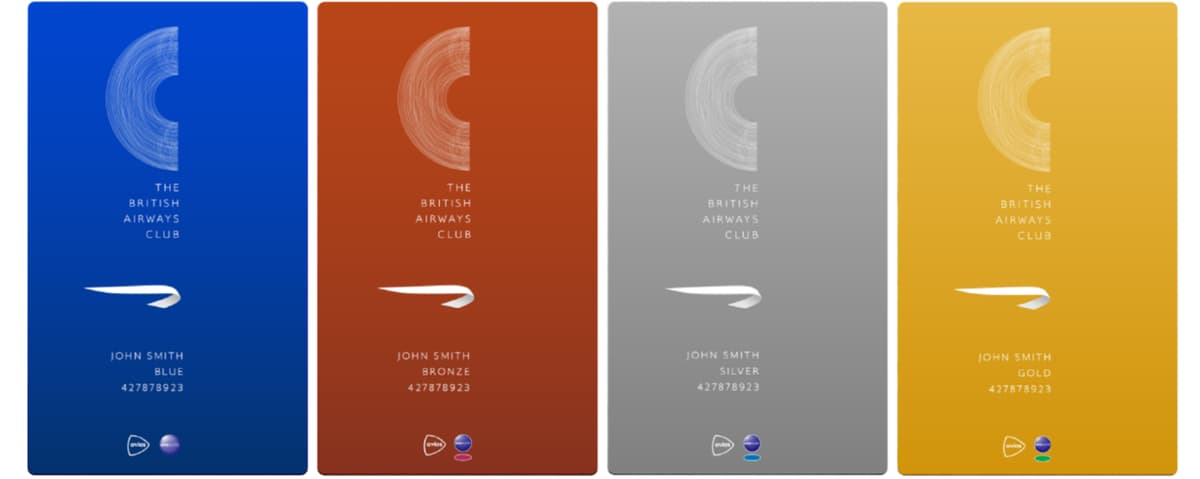
NEWS: Were the BA Extensions an Error?, And a Way to Beat Security Queues
Key Takeaways
- •BA sent random status extensions, likely caused by IT glitch.
- •Extensions favored low‑TP members, sparking anger among long‑time Gold flyers.
- •American Airlines rolled out TSA PreCheck Touchless at all hub airports.
- •Touchless uses facial‑matching, eliminating passport or boarding‑pass presentation.
- •Global Entry costs £42 + £97 (~$174) for five‑year membership.
Pulse Analysis
British Airways’ sudden status extensions have ignited a debate over fairness and data integrity in elite travel programs. Loyalty tiers are built on tier points (TP) that reflect spending and flight activity; an IT‑driven misallocation that grants Gold status to members with minimal TP undermines the perceived value of the Club and risks alienating high‑spending customers who have historically funded the program. Industry analysts warn that if BA does not address the discrepancy transparently, the backlash could erode brand loyalty and prompt competitors to highlight their more predictable tier structures.
American Airlines’ deployment of TSA PreCheck Touchless across its hub network marks a significant step toward frictionless airport security. By pairing a traveler’s Known Traveller Number (KTN) with facial‑matching technology, the system removes the need for a physical ID or boarding pass, shaving minutes off the average security line. The feature is available at major hubs such as Chicago O’Hare, Dallas‑Fort Worth, and New York JFK, and will expand to roughly 60 additional airports. For frequent U.S. travelers, the cost of Global Entry—£42 for the U.K. background check and £97 for the U.S. component, roughly $174 total, or about $28 per year—remains a worthwhile investment to access both PreCheck and the new touchless lane.
Both stories illustrate a broader industry shift: airlines must balance sophisticated loyalty incentives with operational reliability, while also embracing biometric solutions to meet rising passenger expectations. BA’s handling of the extension glitch will serve as a case study in loyalty program governance, whereas AA’s Touchless rollout could set a benchmark for how carriers integrate government‑backed security protocols into their digital ecosystems. As airlines continue to invest in data‑driven personalization, the ability to maintain trust and deliver seamless experiences will become a decisive competitive advantage.
NEWS: Were the BA extensions an error?, and a way to beat security queues
Comments
Want to join the conversation?