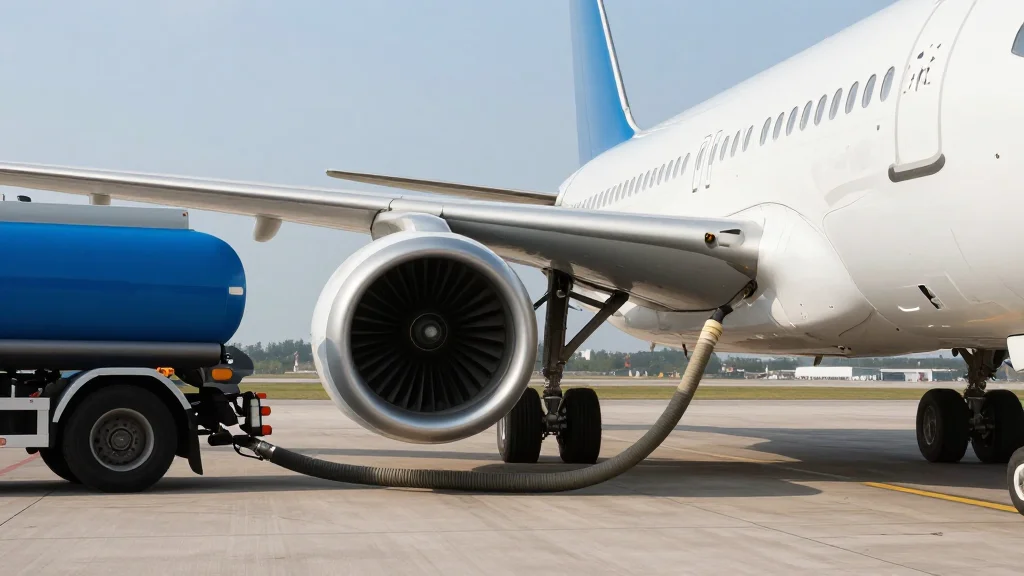
One of Europe’s Largest Airline Groups Now Says Travelers Don’t Need to Fear Mass Cancellations Due to Jet Fuel Shortages
Key Takeaways
- •Lufthansa assures no jet fuel shortage risk for summer 2024.
- •Fuel imports now coming from North America, Africa, and Nordics.
- •Lufthansa hedged 80% of 2026 fuel needs, incurring $1 bn loss.
- •Ryanair and IAG also hedge heavily, but smaller carriers face bankruptcy risk.
- •Jet fuel price volatility remains a cost pressure for European airlines.
Pulse Analysis
The sudden closure of the Strait of Hormuz after the U.S. and Israel launched a military offensive on Iran sent shockwaves through Europe’s jet‑fuel supply chain. Historically, the continent relied on Gulf shipments that traverse the narrow waterway, and the abrupt restriction raised alarms that airport fuel tanks could run dry just as summer travel demand peaks. Early speculation prompted airlines, including Lufthansa, to pre‑emptively cancel flights, underscoring how geopolitical flashpoints can quickly translate into operational risk for the aviation sector.
Lufthansa’s Chief Commercial Officer, Dieter Vranckx, now assures passengers that the supply crunch is over. The group has diversified its sourcing, pulling jet fuel from North America, Africa and the Nordics while European refineries have ramped up to near‑full capacity. This multi‑source strategy, combined with an aggressive hedging program that covers roughly 80% of the airline’s 2026 fuel requirements, has insulated the carrier from immediate shortages but cost it an estimated $1 billion due to unfavorable hedge terms. The financial hit illustrates the delicate balance airlines must strike between securing price certainty and managing exposure to volatile commodity markets.
Across the continent, rivals Ryanair and IAG echo Lufthansa’s confidence, maintaining high hedge ratios through 2027. However, smaller carriers lacking the capital to lock in prices face heightened vulnerability; rising jet‑fuel costs could erode margins and trigger insolvencies, a scenario Ryanair’s CEO Michael O’Leary warns could reshape the European airline landscape. The broader implication is clear: while supply chain resilience has improved, fuel price volatility remains a critical cost driver, prompting airlines to refine hedging tactics and explore alternative fuel sources to safeguard profitability in an uncertain geopolitical environment.
One of Europe’s Largest Airline Groups Now Says Travelers Don’t Need to Fear Mass Cancellations Due to Jet Fuel Shortages
Comments
Want to join the conversation?