Or For A Five Second Task You Can Watch Our 45-Minute Tutorial
Key Takeaways
- •Hotel bathroom lighting often fails basic readability standards.
- •Universal symbols can confuse guests more than guide them.
- •Poor lighting hampers grooming tasks, affecting guest satisfaction.
- •Design guidelines recommend minimum lux levels for hotel bathrooms.
Pulse Analysis
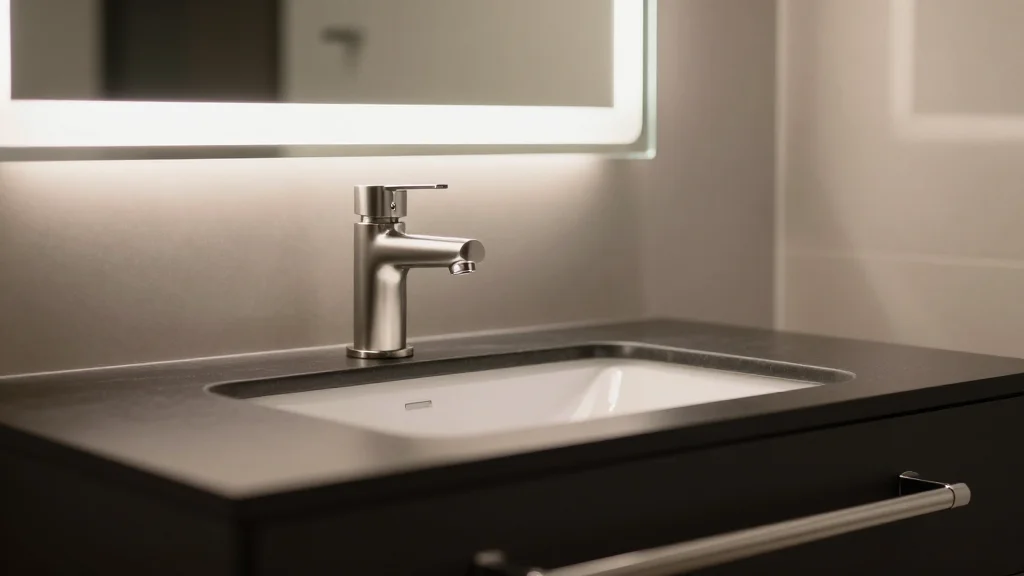
Hotel bathrooms are a litmus test for overall guest experience, yet many properties still install fixtures that fall short of basic illumination standards. Industry guidelines, such as those from the Illuminating Engineering Society, recommend a minimum of 150 lux for vanity areas to ensure tasks like shaving or applying makeup are safe and comfortable. When lighting falls below this threshold, guests struggle with visibility, leading to frustration and a perception that the property neglects basic comforts. Additionally, the proliferation of vague, universal icons on fixtures—ranging from towel racks to power switches—often adds to the confusion rather than providing intuitive guidance.
The business implications of these design oversights are significant. Guest satisfaction scores, online reviews, and repeat‑visit rates are all sensitive to seemingly minor inconveniences like inadequate bathroom lighting. Poor visibility can also raise safety concerns, increasing the risk of slips or cuts, which in turn may expose hotels to liability claims. In a competitive market where brand differentiation increasingly hinges on nuanced service elements, investing in proper lighting design and clear signage can translate into higher occupancy rates and stronger brand loyalty.
Addressing the issue requires a blend of technical standards and user‑centered design. Hoteliers should audit existing bathroom lighting against lux benchmarks and upgrade fixtures to LED solutions that deliver consistent, glare‑free illumination. Simultaneously, adopting universally recognized symbols—such as the IEC’s standardized icons for power and water—reduces cognitive load for guests from diverse backgrounds. Engaging interior designers with experience in hospitality UX can ensure that both lighting and iconography work together to create a seamless, comfortable environment, ultimately delivering measurable returns through improved guest perception and reduced operational risk.
Or For A Five Second Task You Can Watch Our 45-Minute Tutorial
Comments
Want to join the conversation?