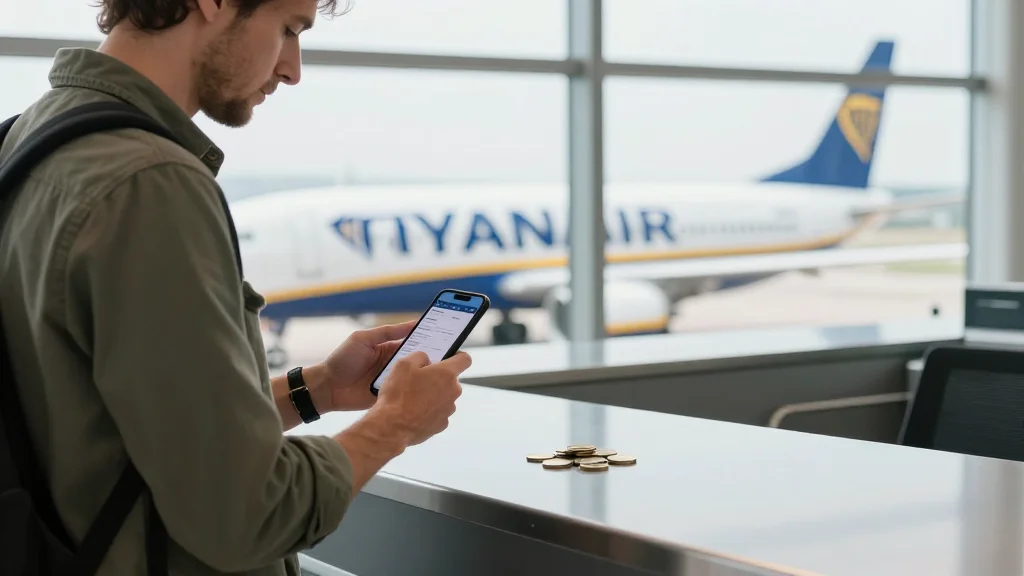
Passengers Are Still Discovering the Hard (And Expensive) Way That Ryanair Charges You to Check-In at the Airport
Key Takeaways
- •Ryanair charges £55 ($74) for airport check‑in without online check‑in
- •Online check‑in window runs from 24 h to 2 h before departure
- •98% compliance achieved by promoting mobile boarding passes
- •Carry‑on must stay within 40 × 30 × 20 cm or incur fees
- •Fee chart is publicly posted, aiding passenger cost awareness
Pulse Analysis
Ryanair’s strict online‑check‑in policy is a cornerstone of its ultra‑low‑cost business model. By requiring passengers to complete check‑in between 24 hours and two hours before departure, the airline eliminates the need for staffed airport counters, saving labor costs that are passed on as lower base fares. The £55 (≈ $74) penalty for missed online check‑in serves both as a revenue stream and a behavioral nudge, compelling travelers to adopt the airline’s digital tools. This approach mirrors a broader industry trend where ancillary fees offset thin margins, but Ryanair distinguishes itself by publishing a transparent fee matrix on its website and in pre‑flight emails, reducing surprise charges and fostering a reputation for openness.
The emphasis on mobile boarding passes further streamlines operations. With a 98% compliance rate, Ryanair minimizes paper handling and accelerates boarding, directly supporting its tight turnaround times. Passengers who ignore the digital‑first mandate face higher costs, reinforcing the airline’s cost discipline. The carrier’s carry‑on size restriction—40 × 30 × 20 cm—prevents cabin congestion, allowing faster boarding and fewer delays, while the optional paid overhead‑bin space creates a premium ancillary revenue stream without compromising the low‑fare promise.
For consumers, the lesson is clear: meticulous pre‑flight planning is essential to avoid hidden fees on budget carriers. Ryanair’s model demonstrates how transparent fee structures can coexist with aggressive cost‑cutting, prompting other airlines to reconsider the balance between price advertising and ancillary revenue. As low‑cost carriers continue to dominate European short‑haul markets, understanding these fee dynamics becomes critical for both travelers seeking value and investors evaluating airline profitability.
Passengers Are Still Discovering the Hard (And Expensive) Way That Ryanair Charges You to Check-In at the Airport
Comments
Want to join the conversation?