Restaurants Need to Look as Good as They Taste
Key Takeaways
- •Experiential design now a competitive advantage for restaurants
- •Open kitchens turn food prep into visible, engaging storytelling
- •Choreographed arrival sequences create immersive pre‑dining moments
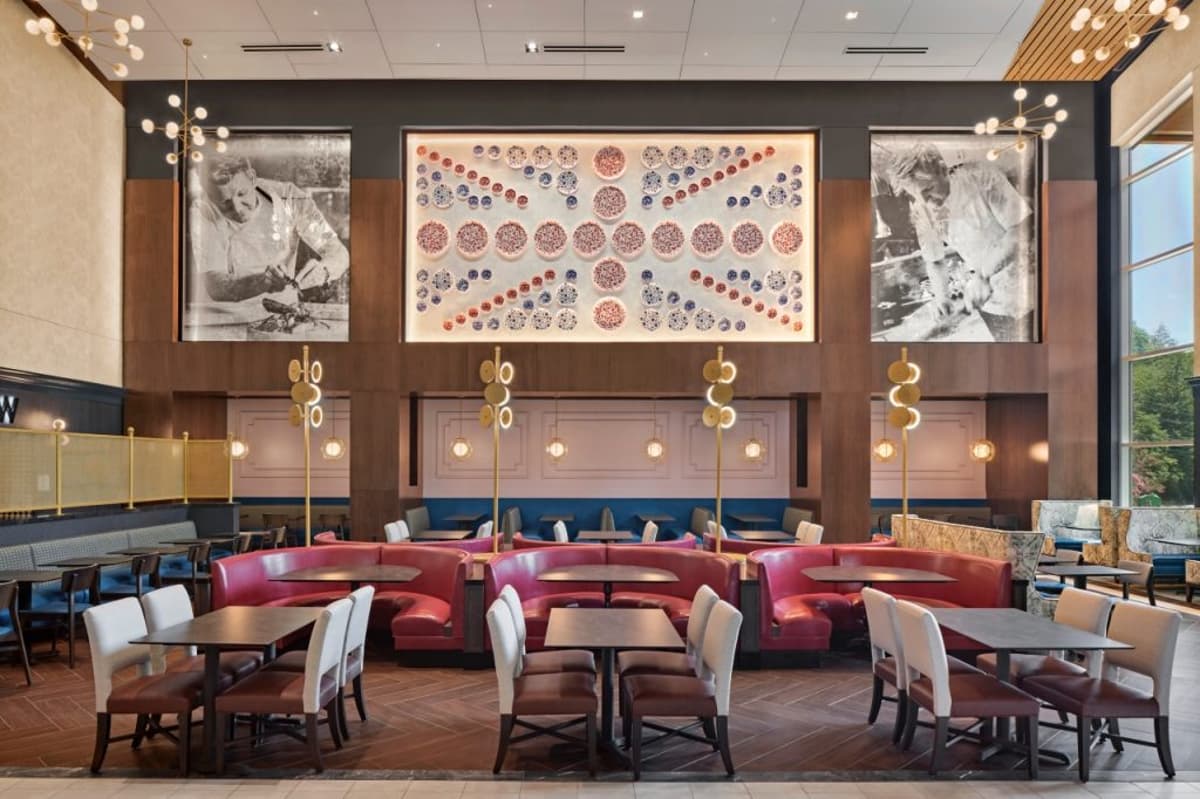
- •Signature installations, like a Union Jack plate mural, drive social sharing
- •Integrated rooftop terraces extend stay and reinforce destination appeal
Pulse Analysis
The restaurant industry is undergoing a cultural shift where the visual and emotional journey outweighs pure culinary execution. Diners, accustomed to the convenience of delivery apps, now prioritize venues that offer a story‑driven environment—one that begins the moment they step off an elevator and continues through curated sightlines, material changes, and lighting cues. This evolution reflects broader consumer behavior: experiences that can be captured and shared online are increasingly valued, turning the act of dining into a form of social currency.
Designers are responding with a toolkit that blends transparency, spectacle, and place‑making. Open kitchens dissolve the barrier between chef and guest, turning preparation into a live performance that reinforces authenticity. At Ramsay’s Kitchen, a dramatic elevator reveal leads to a vestibule framed by bold graphics, while a 15‑by‑30‑foot Union Jack plate installation at the Gordon Ramsay Food Market serves as both a visual anchor and a social‑media magnet. Rooftop terraces with panoramic mountain views extend the stay, encouraging patrons to linger, sip cocktails, and generate user‑generated content that amplifies brand reach beyond the physical space.
For operators, these design investments translate into measurable business outcomes. Immersive environments drive higher table turnover, premium pricing power, and repeat visitation as guests seek the curated moments they can showcase on platforms like Instagram and TikTok. Moreover, a memorable atmosphere builds brand equity that can weather competitive pressures from home‑delivery services. Restaurants that embed storytelling into architecture and service choreography are better positioned to capture the modern diner’s attention, loyalty, and wallet.
Restaurants Need to Look as Good as They Taste
Comments
Want to join the conversation?