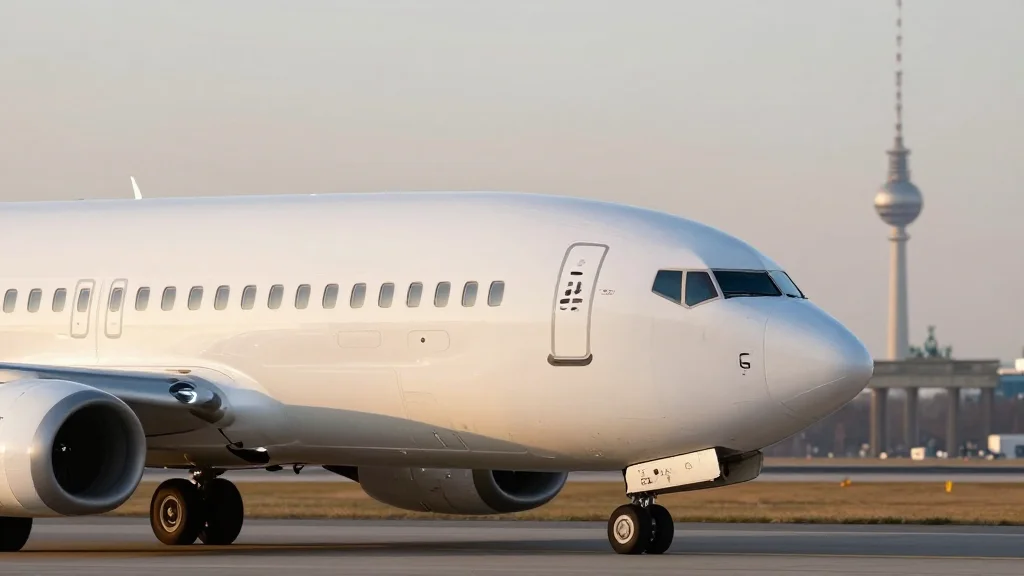
Ryanair Shutters Base in Berlin With Loss of 210 Jobs in Row Over Airport Fees
Key Takeaways
- •Ryanair moves seven 737s to Sweden, Slovakia, Albania, Italy
- •210 pilot and cabin‑crew jobs will disappear in Berlin
- •Berlin flights cut by roughly 50% but still served
- •Ryanair cites 50% fee rise, 10% future hike
- •German airports risk losing more low‑cost carriers
Pulse Analysis
Ryanair’s decision to shutter its Berlin Brandenburg base highlights the airline’s razor‑thin cost model, where landing fees are a decisive factor. The carrier claims the airport has raised its charges by about 50% in the past six years and threatens a further 10% hike from 2029. By relocating seven Boeing 737s to airports in Sweden, Slovakia, Albania and Italy—countries that have eliminated aviation taxes—Ryanair aims to preserve its ultra‑low‑fare proposition while maintaining a presence in the German capital through aircraft based elsewhere. This maneuver reflects a growing trend among European low‑cost carriers to leverage tax‑friendly jurisdictions to offset rising operational costs.
The immediate impact is both operational and human. Approximately 210 pilots and cabin crew will lose their Berlin positions, although Ryanair has offered transfers to other bases, effectively forcing staff to relocate internationally. The reduction of flights to Berlin by about half will also diminish connectivity for the city, potentially shifting passenger demand to rival airlines or alternative airports. Ryanair’s broader pattern—recently curtailing services in Spain’s regional airports and threatening the Azores—demonstrates how tax disputes can trigger rapid network reconfigurations, affecting local economies and tourism.
For the wider industry, the Berlin case serves as a cautionary tale about the competitive importance of airport fee structures. Governments that maintain high aviation taxes risk alienating low‑cost carriers, which in turn can erode passenger volumes and ancillary revenue for airports. As Ryanair continues to prioritize markets with favorable fiscal environments, policymakers across Europe may need to reassess tax policies to retain the economic benefits of affordable air travel. The airline’s stance also pressures airport operators to negotiate more transparently, lest they lose lucrative traffic to competitors willing to operate under more cost‑effective regimes.
Ryanair Shutters Base in Berlin With Loss of 210 Jobs in Row Over Airport Fees
Comments
Want to join the conversation?