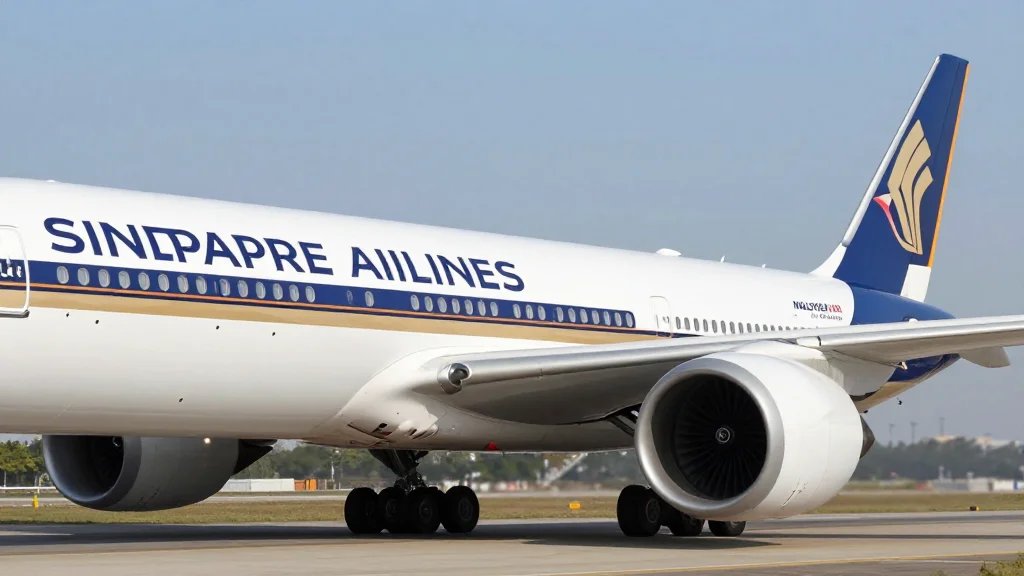
Singapore Airlines And Malaysia Airlines Were Once The Same Carrier. Now They’re Teaming Up Again
Key Takeaways
- •Joint venture enables shared fares and coordinated schedules between Singapore and Kuala Lumpur
- •Revenue‑sharing covers inventory, marketing and frequent‑flyer integration for both carriers
- •Revived partnership mirrors a 1982‑2008 shuttle that offered a $300 round‑trip fare
- •Antitrust‑immune structure helps both airlines compete against low‑cost rivals in Southeast Asia
Pulse Analysis
The new Singapore‑Malaysia joint venture is more than a pricing agreement; it represents a strategic alliance that sidesteps traditional antitrust barriers by operating under a revenue‑sharing framework approved by both nations’ regulators. By integrating inventory, distribution and frequent‑flyer programs, the carriers can present a unified premium product, offering business travelers a single ticketing experience and coordinated flight times. This level of coordination is rare among legacy airlines in the region, where low‑cost carriers have traditionally dominated short‑haul traffic.
Historically, the two airlines shared a shuttle service from 1982 until low‑cost entrants like Tiger Airways and Jetstar Asia eroded demand in 2008. That service featured a common fare of roughly $300 for a 184‑mile hop, effectively a walk‑up business‑traveler product. The revival of cooperation reflects a recognition that legacy carriers must adapt to the low‑cost model’s price pressure while preserving the higher‑margin premium segment. By pooling resources, Singapore Airlines and Malaysia Airlines can achieve economies of scale, optimize aircraft utilization, and offer joint corporate travel contracts that were previously unavailable.
Looking ahead, the partnership could serve as a template for other regional carriers seeking to strengthen their networks without full mergers. Enhanced lounge access and synchronized schedules are likely to attract high‑value passengers, while joint marketing may boost tourism between two of the world’s top culinary destinations. As Southeast Asia’s economies rebound, the alliance positions both airlines to capture growing demand for seamless, premium short‑haul travel, potentially reshaping the competitive dynamics of the region’s aviation market.
Singapore Airlines And Malaysia Airlines Were Once The Same Carrier. Now They’re Teaming Up Again
Comments
Want to join the conversation?