Southwest Is Now Charging For Window Seats That Don’t Have Windows
Key Takeaways
- •Southwest now fees for window seat assignments
- •Some “window” seats lack actual windows on 737‑800/MAX 8
- •Federal Airline Deregulation Act may preempt consumer claims
- •Contract of carriage waives class actions, limiting lawsuits
- •Refunds depend on breach‑of‑contract proof, not deceptive marketing
Pulse Analysis
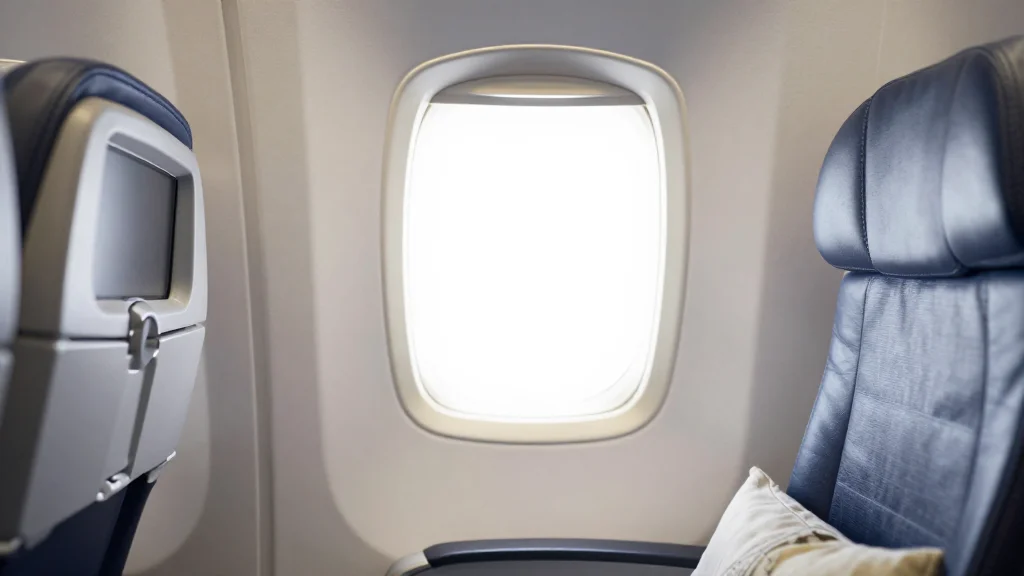
Southwest Airlines has begun charging passengers for specific seat assignments, including so‑called “window” seats that, on its Boeing 737‑800 and 737‑MAX 8 fleet, sometimes sit beside a solid wall rather than an actual window. The practice mirrors recent consumer complaints that sparked class‑action lawsuits against United and Delta for selling identical seats. Travelers now see a line‑item on receipts that promises a window view, only to discover a wall when the aircraft doors open. The discrepancy raises immediate questions about value for money and transparency in airline pricing.
Under the Airline Deregulation Act, state consumer‑protection claims that expand airline obligations are generally preempted, leaving only breach‑of‑contract actions viable. Southwest’s contract of carriage explicitly disclaims guarantees about seat features and includes a waiver of class‑action status, which courts have historically upheld. Moreover, the Department of Transportation retains primary authority over deceptive marketing in air travel, meaning any claim that “window” is misleading may be routed to federal regulators rather than state courts. Plaintiffs therefore face a steep legal hurdle: proving that the airline failed to honor a specific contractual promise.
From a business perspective, the fee‑based seat‑selection model boosts ancillary revenue but risks eroding brand loyalty if passengers feel short‑changed. A wave of refund demands could force Southwest to issue credits or adjust its seat‑map disclosures, increasing operational complexity. Competitors may watch the outcome closely; a court ruling that upholds the airline’s disclaimer could embolden the industry to expand paid‑seat offerings, while a decision favoring consumers might trigger broader regulatory scrutiny. Either scenario underscores the delicate balance between monetizing convenience and maintaining trust in a highly price‑sensitive market.
Southwest Is Now Charging For Window Seats That Don’t Have Windows
Comments
Want to join the conversation?