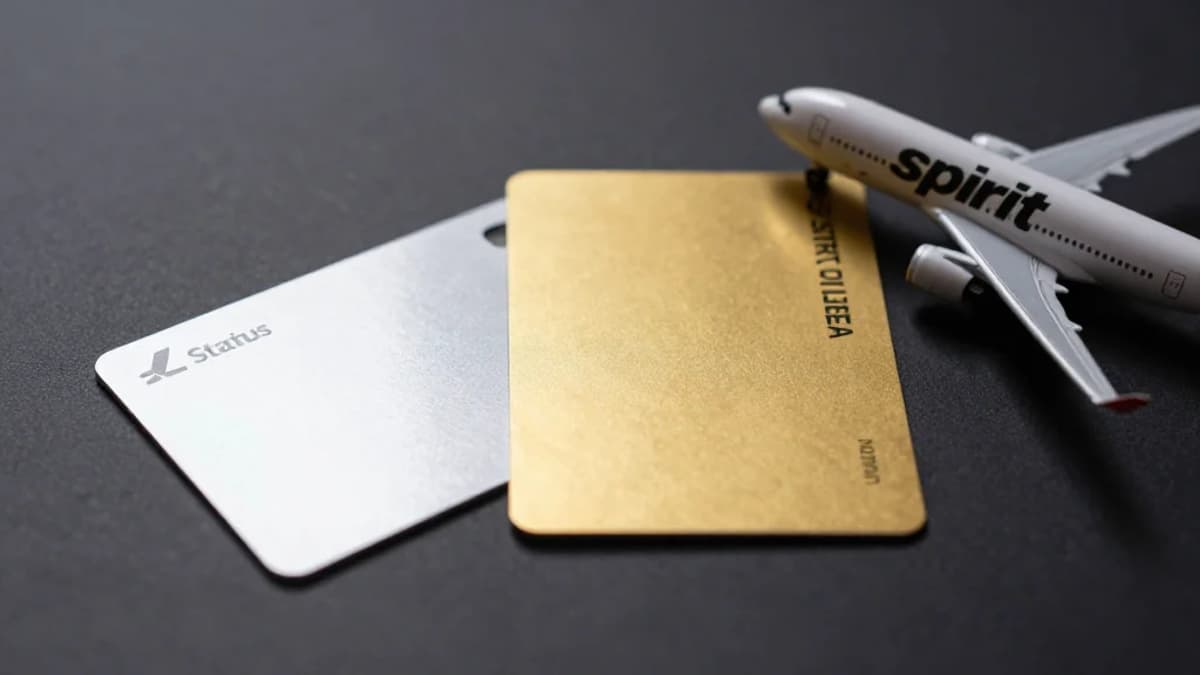
Spirit Airlines Free Spirit Status Upgrade & Buy-Up Offer
•March 2, 2026
0
Key Takeaways
- •Silver status costs $79, offers $100‑125 trip value
- •Gold upgrade priced $399, includes free bags and drinks
- •Benefits valid until Dec 31 2026, enhancing member retention
- •Offer targets downgraded members, encouraging revenue before re‑qualification
- •Shortcut security and priority boarding improve passenger experience
Summary
Spirit Airlines has launched a 2026 Free Spirit status upgrade program, letting base members purchase Silver tier for $79 and allowing Silver members to upgrade to Gold for $399, with Gold members able to buy back status for $199. The benefits—priority boarding, shortcut security, overweight‑bag waiver and seat upgrades—are valued at $100‑125 per trip. Status earned through the offer remains valid through December 31 2026. Unlike a traditional status match, the program is open to any existing Free Spirit member, not just those with prior elite tiers.
Pulse Analysis
Spirit’s new status‑upgrade offer reflects a strategic shift toward monetizing loyalty tiers rather than relying solely on flight frequency. By pricing Silver at $79 and Gold at $399, the airline taps into ancillary revenue streams—such as bag fees and seat selections—while delivering a perceived value that exceeds the cost in a single trip. This model aligns with the ultra‑low‑cost carrier playbook, where every dollar of ancillary spend is crucial to profitability, and it differentiates Spirit from legacy carriers that typically reserve elite perks for high‑spending flyers.
For members, the program provides a clear, low‑risk pathway to premium services that were previously out of reach for budget travelers. The inclusion of priority boarding, shortcut security and overweight‑bag waivers translates into tangible time savings and cost avoidance, especially on busy domestic routes. As a result, eligible members are likely to increase ancillary purchases, knowing their status will offset fees. This could boost Spirit’s ancillary revenue by a measurable margin, while also improving customer satisfaction and reducing churn during the airline’s ongoing reorganization.
Industry‑wide, Spirit’s approach signals a broader trend of airlines converting loyalty into a direct revenue product. Competitors may feel pressure to introduce similar tier‑purchase options or enhance the value proposition of existing elite programs. However, the strategy carries risk: if the perceived benefits do not consistently outweigh the price, members may view the upgrade as a gimmick, potentially eroding brand trust. For Spirit, careful monitoring of uptake rates and ancillary spend will be essential to validate the financial upside and ensure the program supports its long‑term growth objectives.
Comments
Want to join the conversation?