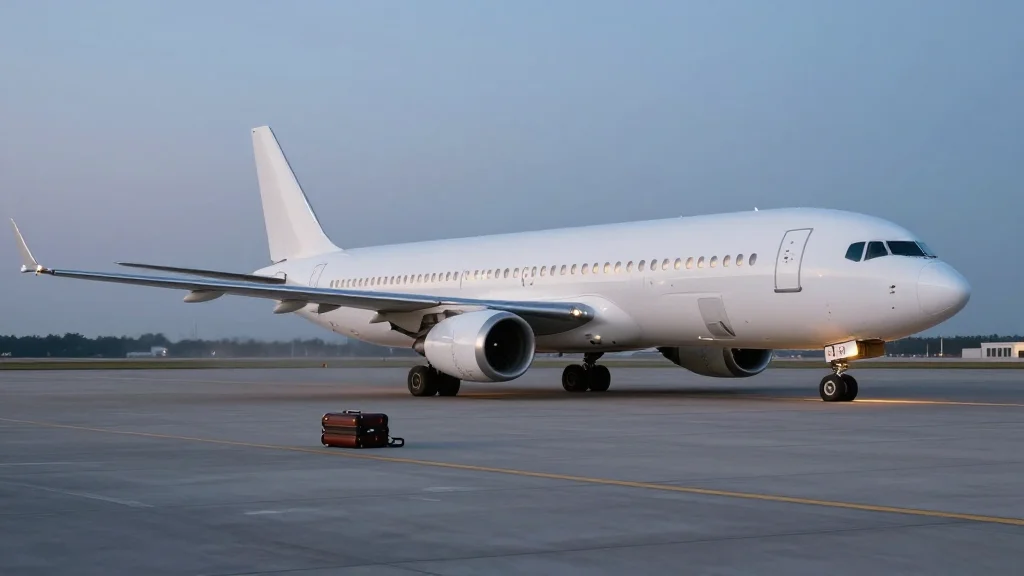
Spirit Airlines Has Officially Ceased Operations At 2:30 AM ET On May 2, 2026
Key Takeaways
- •Spirit entered Chapter 7 liquidation, ending 34 years of ULCC service.
- •Refunds will be auto‑processed for direct card purchases; agents handle theirs.
- •Blocked JetBlue merger left Spirit without a strategic partner.
- •Airline liquidation rare in U.S.; last major case Aloha Airlines 2008.
- •Legacy carriers now mimic Spirit’s ancillary‑fee model, eroding its edge.
Pulse Analysis
Spirit Airlines’ abrupt shift from Chapter 11 reorganization to Chapter 7 liquidation marks a watershed moment for the ultra‑low‑cost carrier (ULCC) segment. After pioneering rock‑bottom fares supplemented by a sprawling menu of ancillary fees, Spirit’s business model became a template that legacy airlines later adopted, diluting its competitive advantage. The airline’s inability to secure a merger—first with Frontier, then blocked JetBlue deal—left it without the scale needed to weather mounting debt and a post‑pandemic travel environment, culminating in an orderly wind‑down that affects over 30 million seats annually.
For consumers, the immediate concern is the refund process. Spirit will automatically credit purchases made with credit or debit cards, while travelers who booked through travel agents must coordinate refunds directly with those intermediaries. Refunds tied to vouchers, Free Spirit points, or other non‑card methods will be adjudicated through the bankruptcy court, potentially extending the timeline for resolution. The cessation also forces passengers mid‑journey to scramble for alternative transportation, adding logistical strain to an already congested domestic market during peak travel periods.
Industry analysts view Spirit’s demise as both a cautionary tale and a catalyst for change. The rarity of a major U.S. airline liquidation—last seen with Aloha Airlines in 2008—highlights the fragility of the ULCC model when ancillary revenue is no longer a differentiator. Legacy carriers, now comfortable charging similar fees, have eroded Spirit’s niche, prompting a reevaluation of cost structures across the sector. The vacuum left by Spirit may invite new entrants or push existing low‑cost carriers to innovate beyond fee‑driven profitability, reshaping the competitive landscape for years to come.
Spirit Airlines Has Officially Ceased Operations At 2:30 AM ET On May 2, 2026
Comments
Want to join the conversation?