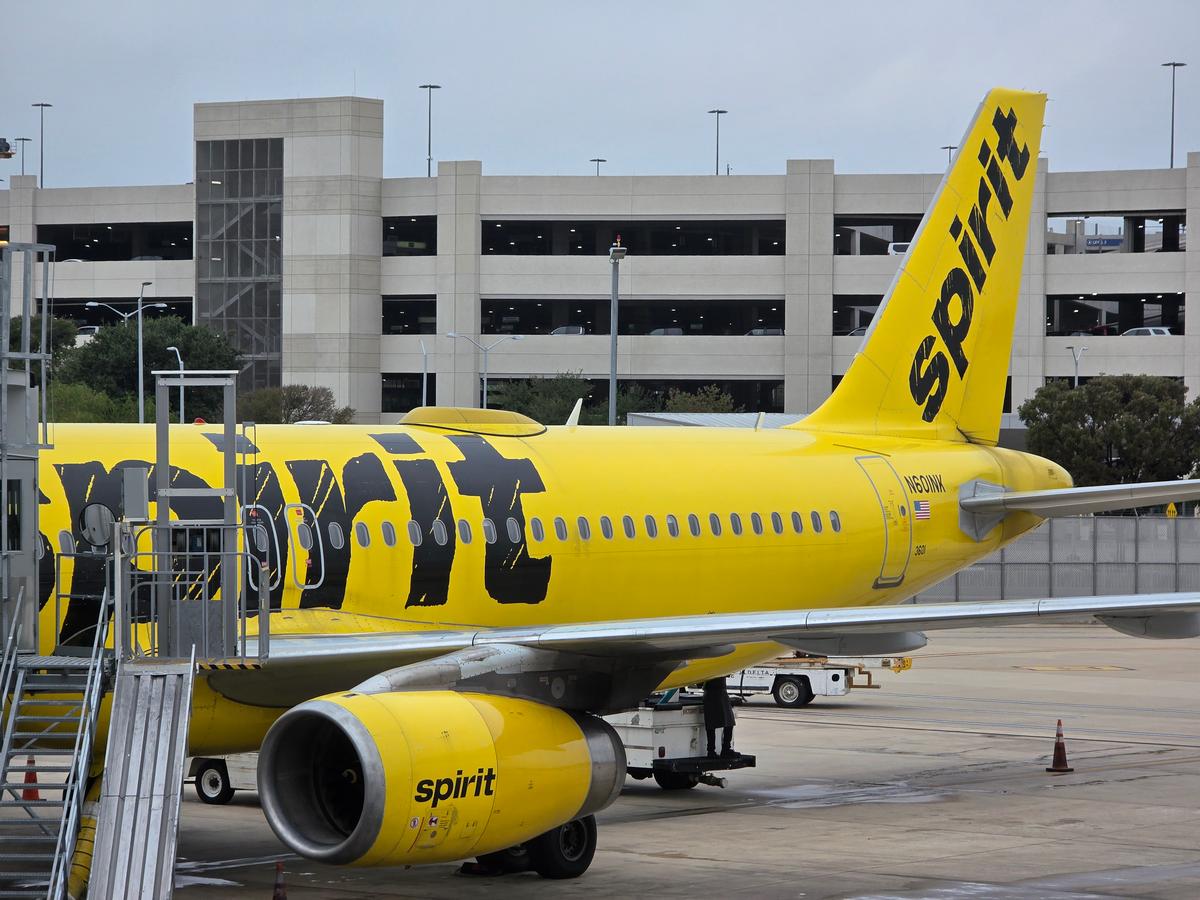
Spirit Offered Taxpayers 80% Of The Airline — Trump Demanded 90% And The Bailout Died
Key Takeaways
- •Government prepared $500 million bailout with no clear legal authority.
- •Spirit offered 80% equity for funds; Trump pushed for 90% ownership.
- •Creditors rejected 90% stake, fearing insufficient recovery and asset loss.
- •Bailout collapse kept taxpayer money out of airline industry.
- •Negotiation style may shape future corporate‑government deals.
Pulse Analysis
Spirit Airlines entered 2024 on the brink of insolvency, burdened by a 43% cost surge since the pandemic and a stalled JetBlue merger. The Treasury, lacking a solid statutory framework, earmarked $500 million to keep the carrier operational, a move that would have marked one of the most direct federal equity stakes in a private airline. Such a bailout raised questions about precedent, taxpayer exposure, and the legal mechanics of converting emergency loans into ownership, especially as the airline’s balance sheet showed mounting liabilities and dwindling cash reserves.
Negotiations quickly turned contentious when Spirit proposed an 80% government stake in return for the cash infusion. President Trump, applying his signature hard‑ball approach, countered with a demand for 90% ownership. Creditors balked at the prospect, arguing that a 10% residual equity would leave them with insufficient collateral to recoup their investments, especially if the airline needed to liquidate valuable assets like LaGuardia gates and slots. The impasse highlighted how political demands can clash with financial realities, prompting the airline to pursue alternative restructuring strategies, including asset sales and aggressive cost‑discipline measures, rather than surrendering near‑total control to the public sector.
The collapse of the bailout carries broader implications for the aviation industry and future government interventions. By averting a taxpayer‑funded equity position, the market retained a competitive landscape where carriers such as JetBlue and Frontier continue to vie for low‑cost travelers. Moreover, the episode serves as a cautionary tale for policymakers: effective rescue packages must balance fiscal responsibility with realistic ownership stakes, lest they deter creditor participation and jeopardize the very firms they aim to save. As Congress debates potential aid for other distressed sectors, the Spirit case underscores the need for clear legal authority and pragmatic negotiation tactics.
Spirit Offered Taxpayers 80% Of The Airline — Trump Demanded 90% And The Bailout Died
Comments
Want to join the conversation?