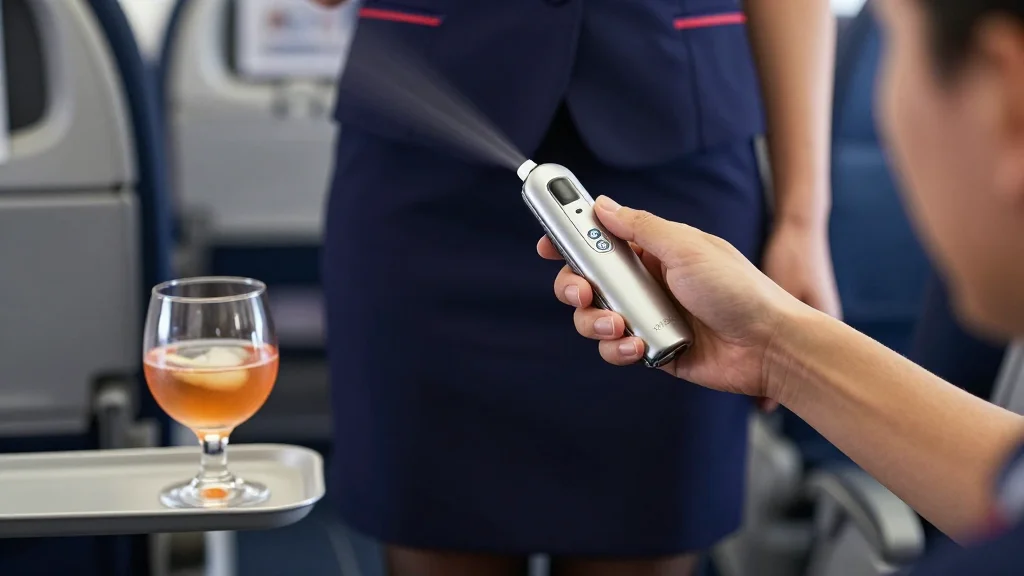
The FAA’s New Crackdown On Drunk Passengers Could Spell the End of Pre-Departure Beverages
Key Takeaways
- •FAA fined Alaska Airlines $165,000 for boarding intoxicated passengers.
- •New FAA audit emphasizes crew responsibility to detect intoxication at boarding.
- •Limited cabin crew make pre‑departure beverage service increasingly risky.
- •Airlines may drop complimentary drinks to avoid penalties and staffing strain.
- •Automated check‑in reduces staff‑passenger interaction, complicating intoxication detection.
Pulse Analysis
The Federal Aviation Administration’s recent crackdown on intoxicated passengers marks a shift from a loosely enforced rule to an actively monitored safety standard. By imposing a $165,000 fine on Alaska Airlines for eleven infractions, the agency signals that airlines can no longer rely on informal oversight. The regulation, 14 CFR § 121.575(c), obliges carriers to refuse boarding to anyone who appears drunk, a duty that now falls squarely on flight attendants during the brief boarding window. This enforcement aligns with broader industry trends emphasizing passenger safety amid rising reports of in‑flight disturbances.
Operationally, the new focus creates a dilemma for carriers that typically staff domestic flights with just three cabin crew members. The front‑row attendant, already tasked with checking first‑class catering, greeting passengers, and delivering pre‑departure beverages, must now also act as the primary intoxication detector. Given the limited manpower, many airlines may deem the pre‑departure drink service too risky, opting to eliminate it to avoid potential fines. The move could also accelerate discussions about increasing crew numbers or reallocating duties, but staffing levels have remained static, making service cuts a more immediate solution.
For passengers, the potential loss of complimentary beverages signals a broader shift in the airline experience. As self‑check‑in kiosks and automated boarding gates reduce face‑to‑face interactions, the early opportunity to spot impaired travelers diminishes, placing even greater pressure on the few crew members present. Airlines must balance regulatory compliance, cost control, and customer satisfaction, possibly redefining cabin service standards. The outcome will likely influence how other carriers structure boarding protocols and whether the industry adopts new technologies—such as biometric screening—to aid in early detection of intoxication.
The FAA’s New Crackdown On Drunk Passengers Could Spell the End of Pre-Departure Beverages
Comments
Want to join the conversation?