This Is How Your Customers Think About Your Customer Service In 2026
•February 25, 2026
0
Key Takeaways
- •83% of consumers report overall satisfaction with companies.
- •Only 41% see service improvement year‑over‑year.
- •42% experienced more bad interactions than previous years.
- •52% had at least one poor experience last year.
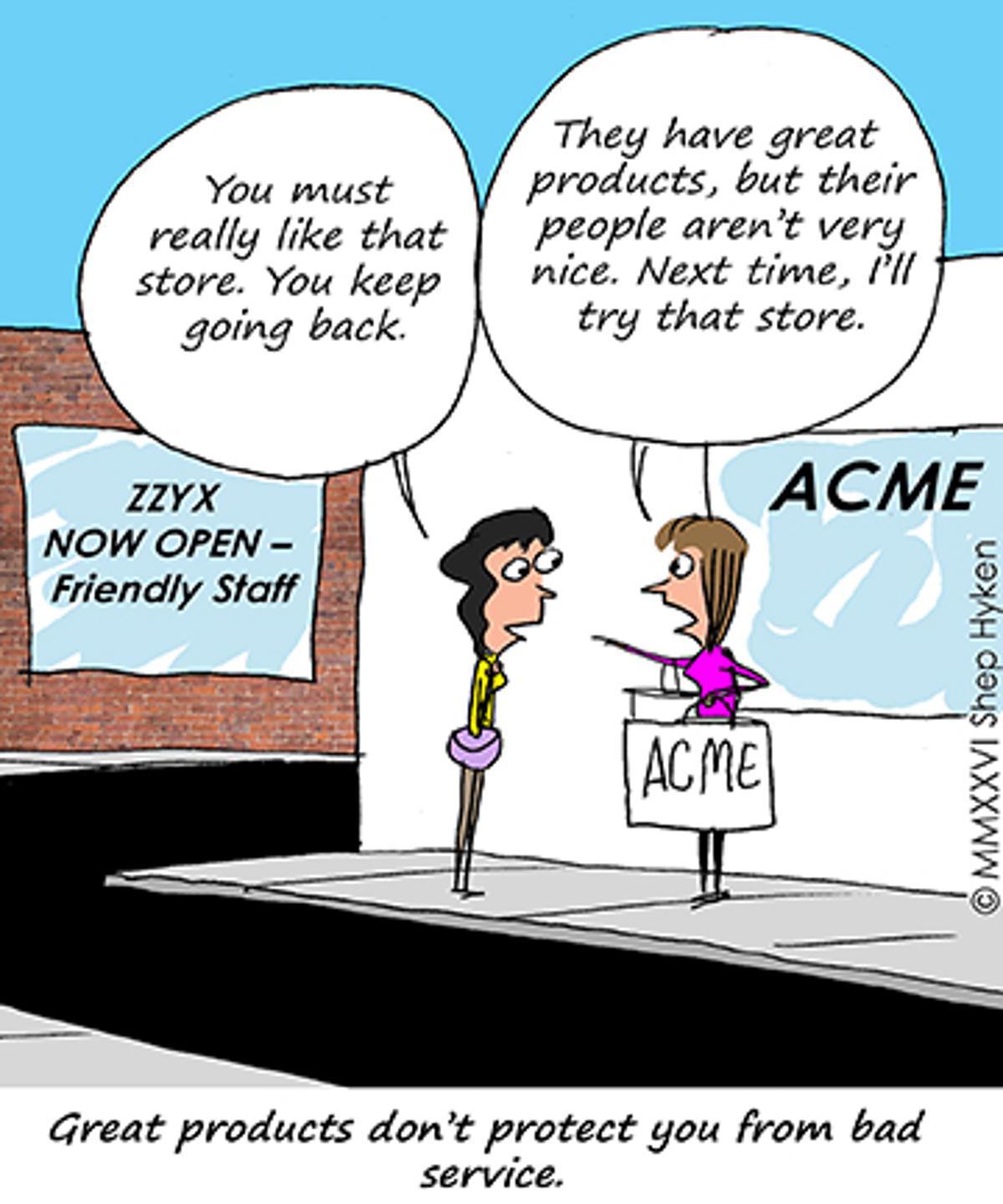
- •66% would switch providers despite loving the product.
Summary
Shep Hyken’s 2026 State of Customer Service report surveyed 2,000 U.S. consumers and found that 83% are generally happy with the companies they use. Only 41% believe service quality has improved over the previous year, while 42% report more bad experiences than before and 52% encountered at least one poor interaction in the last twelve months. The study also shows that 74% think delivering good service should be easy, yet 66% would abandon a brand they like if service falls short. These mixed signals highlight a widening gap between expectations and reality.
Pulse Analysis
The 2026 State of Customer Service and CX report provides a rare, weighted snapshot of American consumer sentiment. While a strong 83% express overall happiness, the figure masks a deeper volatility: more than four in ten customers notice a decline in service quality compared with the prior year. This paradox suggests that consumers are willing to overlook occasional hiccups, but their tolerance has limits. Companies that consistently meet the baseline expectations of kindness, helpfulness, and friendliness can maintain that high‑level satisfaction, yet any slip quickly erodes goodwill.
A concerning trend emerges when the survey drills into specific experiences. Over 42% of respondents say they faced more bad interactions this year than in previous years, and more than half reported at least one poor encounter in the past twelve months. The upward trajectory—from 38% in 2024 to 42% in 2026—signals a systemic issue rather than isolated incidents. When customers perceive service as easy to deliver yet encounter failures, frustration spikes, and loyalty wanes. The 66% figure—customers ready to abandon a brand they otherwise love—underscores how quickly negative CX translates into revenue loss.
For businesses, the findings translate into a clear mandate: reinforce the fundamentals of customer service. Investing in robust process design, intuitive technology, and continuous employee training can close the gap between expectation and delivery. Real‑time feedback loops, predictive analytics, and omnichannel support empower teams to anticipate issues before they become complaints. By treating good service as a non‑negotiable baseline rather than a differentiator, firms can protect the 83% satisfaction rate and prevent the churn risk highlighted by the 66% switch‑away statistic. The report serves as a wake‑up call that solid CX is both achievable and essential for competitive advantage.
Comments
Want to join the conversation?