United CEO Slams Rolls-Royce as Engine Crisis Grounds Hundreds of Jets
Key Takeaways
- •United CEO publicly denounces Rolls‑Royce’s support amid engine shortage
- •United dropped 45 A350‑1000 orders citing Rolls‑Royce contract issues
- •800‑900 commercial jets grounded worldwide due to engine problems
- •GE praised; Pratt & Whitney and Rolls‑Royce face reliability challenges
- •Engine bottlenecks force airlines to cut capacity and raise fares
Pulse Analysis
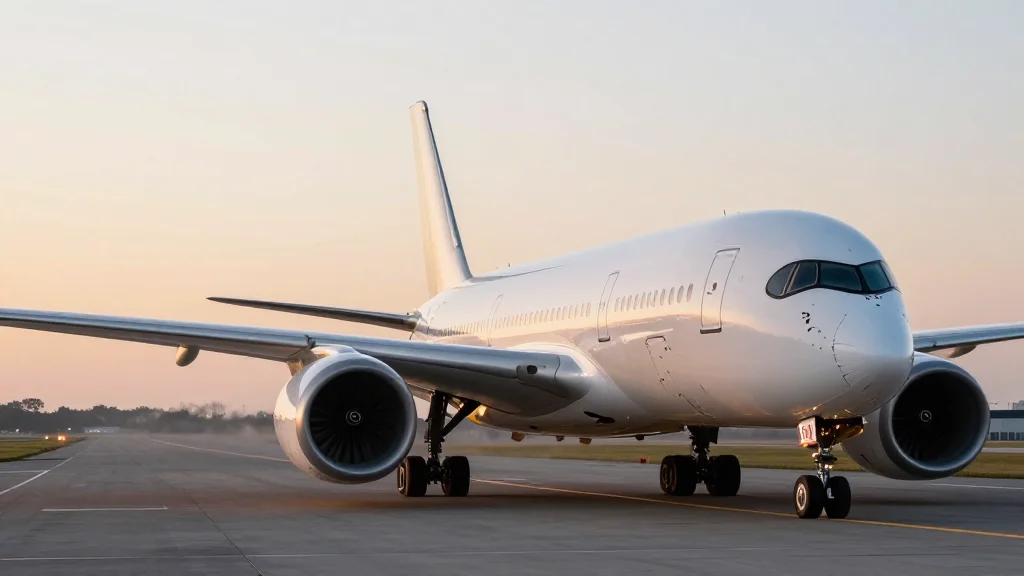
At the IATA annual meeting in Rio, United Airlines chief Scott Kirby delivered an unusually blunt attack on Rolls‑Royce, accusing the British engine maker of neglecting its airline customers while enjoying a monopoly on the Airbus A350‑1000 powerplant. Kirby contrasted Rolls‑Royce with General Electric, which he called “the best,” and praised Pratt & Whitney’s effort, signaling a widening rift between a major carrier and its sole‑source supplier. The public rebuke follows United’s decision to cancel a 45‑plane A350 order, a move United says was driven by Rolls‑Royce’s perceived contractual failures.
Kirby warned that the industry is already feeling the strain of a global engine shortage, with an estimated 800‑900 commercial aircraft grounded worldwide because of engine‑related issues. While Pratt & Whitney’s PW1000G geared turbofan has been the most cited source of delays, CFM International’s LEAP and Rolls‑Royce’s Trent families are also grappling with reliability and supply‑chain bottlenecks. The shortage forces airlines to trim growth plans, postpone fleet renewals, and adjust capacity forecasts, eroding profit margins and limiting flexibility during peak travel periods.
The fallout from the engine crisis could reshape supplier dynamics as airlines seek greater diversification and stronger service guarantees. United’s public censure may accelerate talks with GE and Pratt & Whitney, potentially prompting Rolls‑Royce to enhance its after‑sales support or open its platforms to additional partners. Meanwhile, rising fuel prices have already pushed United to cut schedules by roughly 5% and raise fares about 20%, underscoring how tightly coupled engine availability, operating costs, and revenue strategies have become in the post‑pandemic recovery.
United CEO Slams Rolls-Royce as Engine Crisis Grounds Hundreds of Jets
Comments
Want to join the conversation?