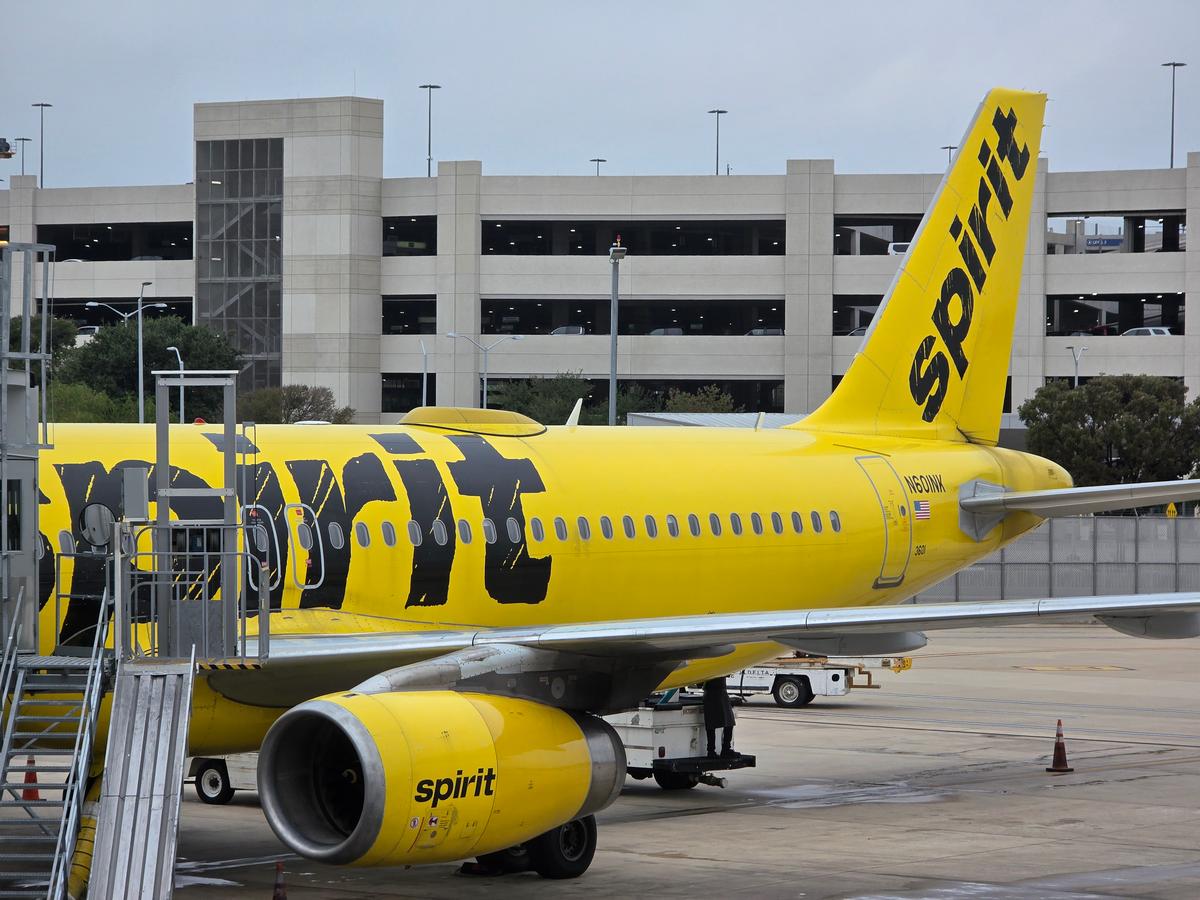
White House Plan To Bail Out Spirit Airlines Is Illegal
Key Takeaways
- •Government aims to acquire 90% of Spirit for $500 million.
- •Defense Production Act cited despite lacking genuine defense need.
- •Loan would make Treasury top creditor in Spirit’s bankruptcy.
- •Warrants could convert to 90% ownership after restructuring.
- •Potential precedent threatens congressional control over future bailouts.
Pulse Analysis
The administration’s proposed Spirit Airlines rescue hinges on invoking the Defense Production Act, a statute designed to address genuine shortages of resources essential to national defense. By framing Spirit’s excess capacity as a military necessity, the White House hopes to bypass the usual congressional approval process for large loans. However, the airline’s fleet of narrow‑body Airbus jets is ill‑suited for cargo or troop transport, and the DPA requires that private financing be unavailable on reasonable terms—conditions that appear unmet. This legal stretch raises questions about the legitimacy of the loan and the likelihood of successful litigation.
Beyond the legal debate, the bailout could dramatically alter the ultra‑low‑cost carrier landscape. Spirit’s competitors, Frontier and JetBlue, are already financially strained; a government‑backed infusion would give Spirit a competitive edge while effectively subsidizing a rival. The deal would also grant the Treasury senior status in the bankruptcy priority stack, potentially diluting existing creditors and reshaping asset ownership through warrants. Such a move could discourage private investment in the sector, as investors may fear unpredictable government intervention that reshapes market dynamics.
If the DPA justification holds, it could establish a sweeping precedent that allows the executive branch to fund private enterprises under a defense pretext, sidestepping Congress’s constitutional power of the purse. Future bailouts—whether in aviation, technology, or other industries—might be pursued without legislative oversight, eroding fiscal accountability. Stakeholders, from airline executives to policymakers, must weigh the short‑term relief against the long‑term implications for governance, market stability, and taxpayer exposure.
White House Plan To Bail Out Spirit Airlines Is Illegal
Comments
Want to join the conversation?