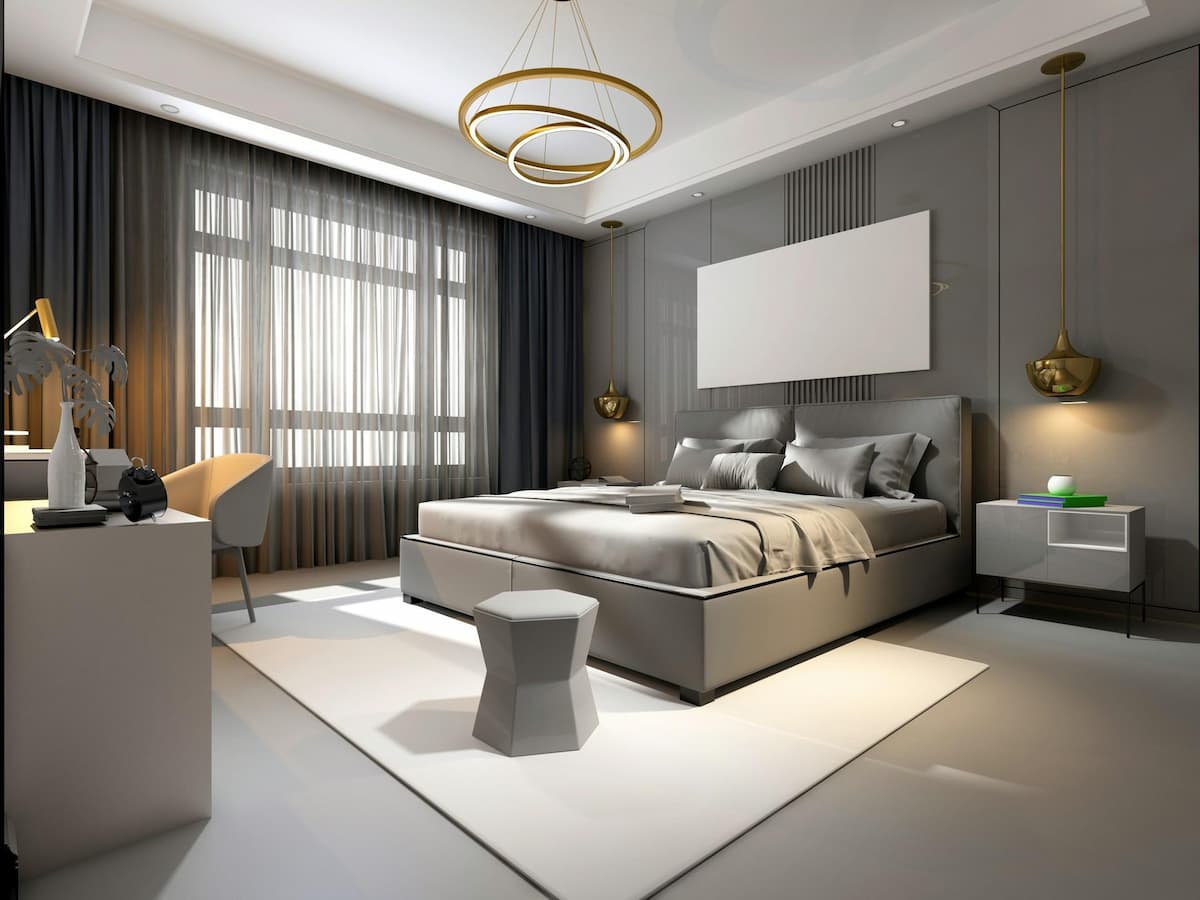
Why Adaptable Guest Room Design Is Becoming More Important in UK Construction
Key Takeaways
- •Flexible layouts boost occupancy rates across varied traveler segments
- •Modular furniture reduces renovation costs and speeds room reconfiguration
- •Durable commercial‑grade interiors lower long‑term maintenance expenses
- •Residential‑style design enhances guest satisfaction and online review scores
- •Space‑efficient solutions maximize revenue per square foot in urban hotels
Pulse Analysis
The UK hospitality market is undergoing a profound transformation, driven by travelers who expect more than a place to sleep. Modern guests compare hotels with boutique rentals, co‑working spaces and lifestyle brands, demanding comfort, functionality and a home‑like ambience. This convergence has spurred a rise in hybrid accommodation models—properties that blend hotels, serviced apartments, student housing and co‑living units. Such diversity forces developers to design rooms that can seamlessly shift between single occupancy, family stays and group bookings without costly structural changes.
To meet these expectations, architects and interior designers are turning to modular furniture systems and adaptable bed solutions that can be re‑configured in minutes. Integrated storage, fold‑away desks and interchangeable lighting schemes allow a compact studio to feel spacious for a solo traveller yet accommodate a family when needed. At the same time, the push for residential aesthetics—soft textures, muted palettes and natural materials—creates a calming environment that boosts guest wellbeing and drives higher review scores. Durability remains a parallel focus; commercial‑grade flooring, upholstery and fixtures are selected for heavy turnover, reducing replacement cycles and operational disruption.
For developers, the financial upside is clear. Space‑efficient, adaptable rooms increase the number of sellable units per floor, enhancing revenue per square foot while lowering long‑term maintenance costs. Flexible designs also future‑proof assets against shifting travel patterns, allowing owners to pivot quickly between short‑term tourism peaks and extended‑stay demand. As the UK continues to prioritize sustainability and guest experience, adaptable guest‑room design will likely become a standard benchmark for successful hospitality projects.
Why Adaptable Guest Room Design Is Becoming More Important in UK Construction
Comments
Want to join the conversation?