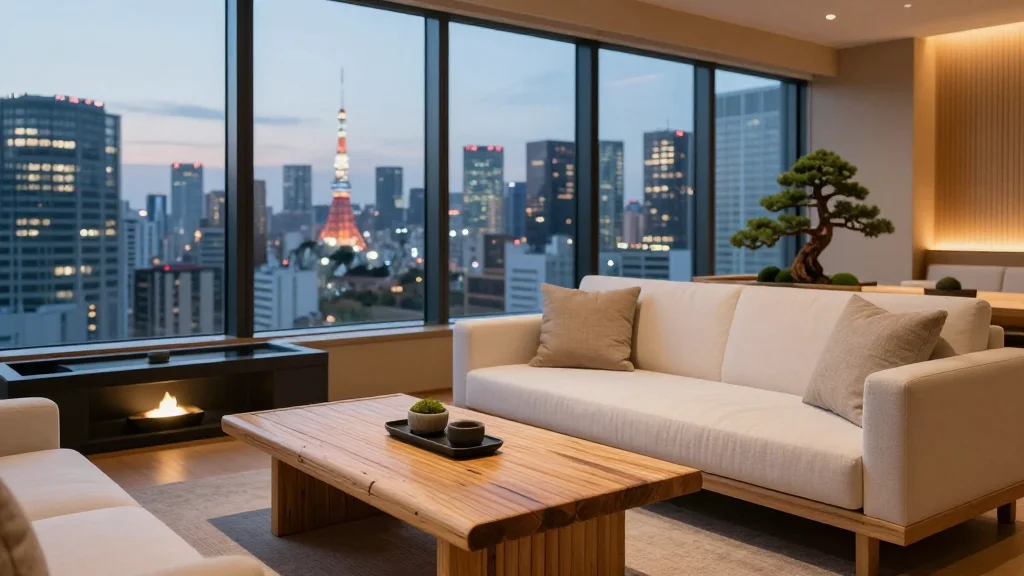
1 Hotel Tokyo Opens Luxury Wellness Oasis in Akasaka, Japan

Why It Matters
The opening of 1 Hotel Tokyo signals a decisive shift in the luxury hospitality sector toward wellness and sustainability as primary value propositions. By achieving CASBEE S certification, the hotel sets a benchmark for environmental performance that other operators may feel compelled to match, especially as eco‑conscious travelers increasingly prioritize green credentials when selecting accommodations. Moreover, the property’s pricing strategy demonstrates that guests are willing to pay premium rates for health‑focused amenities, potentially reshaping revenue models for high‑end hotels in dense urban centers. As Tokyo continues to attract both business and leisure travelers, the success of this wellness‑centric concept could accelerate similar developments across Asia, influencing investment decisions and design standards industry‑wide.
Key Takeaways
- •1 Hotel Tokyo opened a 211‑room property in Akasaka Trust Tower, pricing from $799/night.
- •The hotel earned CASBEE S certification, Japan’s top environmental rating.
- •Features include a Bamford Wellness Spa, living‑wall lobby, and zero‑waste cocktail program.
- •Guest rooms offer spacious layouts with wood accents, stone palette, and premium bathroom fixtures.
- •Launch aligns with a broader industry trend toward wellness‑focused, sustainable luxury hospitality.
Pulse Analysis
1 Hotel Tokyo’s debut arrives at a moment when the luxury segment is redefining its value proposition. Historically, high‑end hotels in Tokyo have leaned on heritage, location, and service excellence. This new property flips the script by foregrounding sustainability and wellness, echoing a global pivot seen in markets like Europe and North America. The brand’s decision to embed green design—living walls, reclaimed materials, and a top‑tier CASBEE rating—does more than earn accolades; it creates a tangible point of differentiation in a city where new hotel projects are scarce and competition for affluent travelers is fierce.
Financially, the $799 starting rate suggests confidence that the wellness narrative can sustain higher average daily rates (ADR). If occupancy meets or exceeds industry averages, the model could validate a premium pricing tier for eco‑luxury, prompting rivals to invest in similar certifications. The parallel renovation of Park Hyatt Tokyo illustrates that legacy brands are also recognizing the need to modernize without erasing their identity. Both properties are betting on a hybrid of nostalgia and forward‑looking design, indicating a broader industry consensus that guests now expect hotels to be both culturally resonant and environmentally responsible.
Looking forward, the success of 1 Hotel Tokyo will likely influence capital allocation across the region. Investors may prioritize projects that can secure high environmental ratings, while developers might incorporate wellness spaces as standard rather than optional. The hotel’s performance will also serve as a litmus test for the scalability of the brand’s wellness‑centric formula in other dense Asian markets, where land costs and regulatory environments pose unique challenges. In short, 1 Hotel Tokyo is not just a new property; it is a bellwether for the next wave of luxury hospitality that marries profit with purpose.
1 Hotel Tokyo Opens Luxury Wellness Oasis in Akasaka, Japan
Comments
Want to join the conversation?
Loading comments...