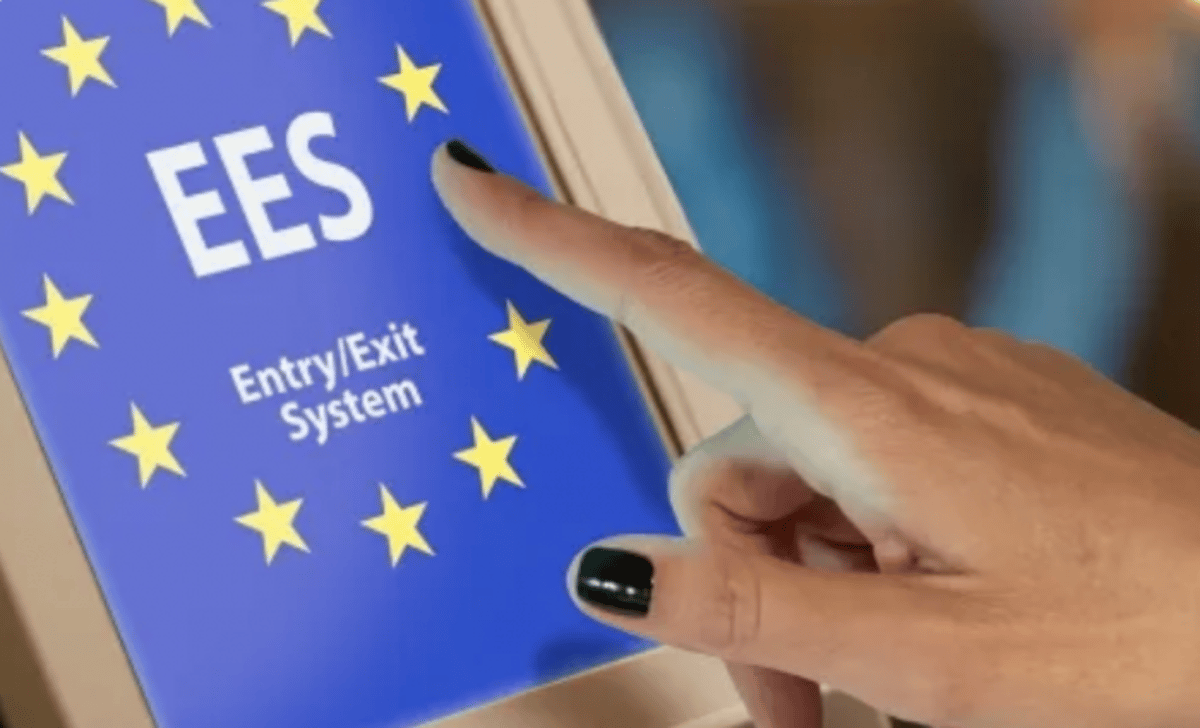
41 Million Visitors “Put Off” Holidaying in Europe if EES Border Delays Reach Three Hours
Why It Matters
Prolonged queues threaten Europe’s tourism revenue and could erode the competitive advantage of the Schengen area, prompting urgent action from governments and industry stakeholders.
Key Takeaways
- •Up to 41 million arrivals risk loss with 3‑hour delays
- •Potential $45.4 billion in visitor spending at stake
- •39% of UK travelers would avoid Europe after long queues
- •65% support EES once informed, but 55% lack awareness
- •WTTC urges digital pre‑registration app and coordinated communication
Pulse Analysis
Europe’s Entry/Exit System (EES) is poised to modernise Schengen borders with biometric checks and digital data sharing. Proponents argue the platform will streamline processing, bolster security, and create a unified travel experience across 26 countries. Yet the technology’s success hinges on flawless implementation; any hiccup at high‑traffic crossing points can quickly translate into long queues that deter travelers accustomed to swift, hassle‑free trips.
WTTC’s latest consumer research quantifies that risk. When surveyed, 33% of respondents said they would likely skip Europe if border waits regularly exceeded three hours, translating to a potential loss of 41 million arrivals and $45.4 billion in visitor spending by 2026. The impact is most pronounced among UK travelers, where 39% indicated they would be much less likely to visit under such conditions. These figures underscore how operational inefficiencies can directly erode tourism demand, a sector that contributes roughly 10% of Europe’s GDP.
To safeguard the continent’s tourism engine, WTTC outlines three priority actions: accelerate adoption of the “Travel to Europe” app for pre‑registration, launch a coordinated communication campaign across key source markets, and ensure operational readiness at all border points. By providing clear guidance, staffing checkpoints adequately, and leveraging existing digital tools, governments can minimise friction and preserve the economic upside of EES. The message is clear—technology alone won’t deliver benefits; it must be paired with proactive stakeholder collaboration to keep Europe’s borders both secure and welcoming.
41 million visitors “put off” holidaying in Europe if EES Border Delays Reach Three Hours
Comments
Want to join the conversation?
Loading comments...