6 Airlines With The World's Most Spacious Business Class Seats For Long-Haul Flights
Companies Mentioned

Why It Matters
Wider or more private business‑class cabins are becoming a key differentiator for premium airlines, influencing passenger choice and shaping revenue models in the competitive long‑haul market.
Key Takeaways
- •ANA's "The Room" measures up to 38 inches (97 cm) wide
- •Singapore Airlines offers 28‑30 inch wide open‑cabin seats
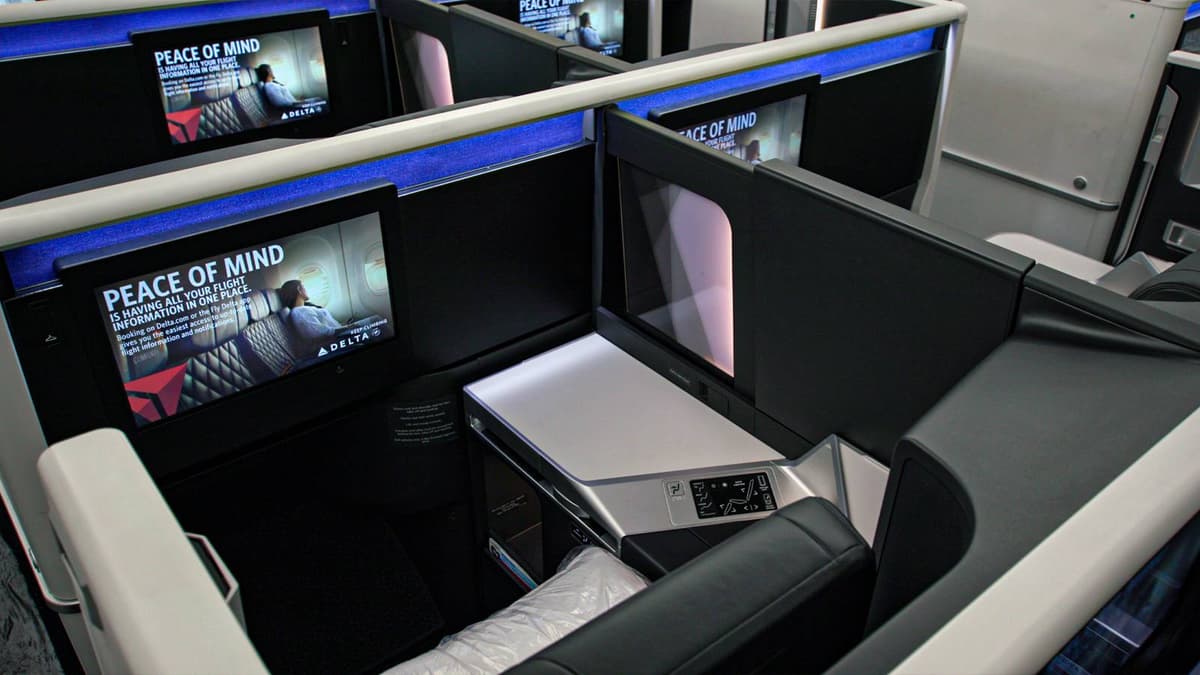
- •Qatar, Emirates, Cathay, Delta prioritize privacy with enclosed suites
- •Wider seats improve comfort but reduce seat count, affecting revenue
- •Trend shows airlines balancing space, privacy, and profitability
Pulse Analysis
The premium cabin landscape is undergoing a rapid transformation as airlines vie for the most spacious business‑class experience. Travelers now expect a blend of comfort and privacy that rivals first‑class, prompting carriers like ANA to introduce "The Room," a suite that stretches nearly 38 inches at its widest point. This level of space not only enhances passenger ergonomics on ultra‑long routes but also serves as a powerful marketing tool, positioning the airline as a leader in luxury travel. Meanwhile, Singapore Airlines has doubled down on an open‑cabin philosophy, offering seats up to 30 inches wide, which appeals to passengers who value physical room over enclosure.
Design choices reflect a strategic trade‑off between seat width and cabin density. Enclosed suites—exemplified by Qatar's QSuite, Emirates' A350 S‑Lounge, Cathay Pacific's Aria Suite, and Delta's One Suite—provide a private cocoon, often at the expense of raw width. These configurations can reduce the total number of seats per aircraft, potentially lowering revenue per flight but allowing airlines to command higher fares for the premium experience. Conversely, wider open seats like Singapore's increase passenger comfort without sacrificing as many seats, yet they lack the acoustic isolation of a door‑equipped suite. Airlines must therefore calibrate pricing, demand forecasts, and route profitability when selecting a cabin architecture.
Looking ahead, the industry is likely to see hybrid models that blend the best of both worlds: generous seat width paired with modular privacy features. As ultra‑long‑haul routes become more common, carriers that can efficiently deliver spacious, comfortable, and private environments will capture a larger share of high‑yield travelers. For business travelers and affluent leisure flyers, understanding these nuances helps in selecting airlines that align with their comfort preferences and budget, while airlines can leverage these design innovations to differentiate themselves in an increasingly crowded market.
6 Airlines With The World's Most Spacious Business Class Seats For Long-Haul Flights
Comments
Want to join the conversation?
Loading comments...