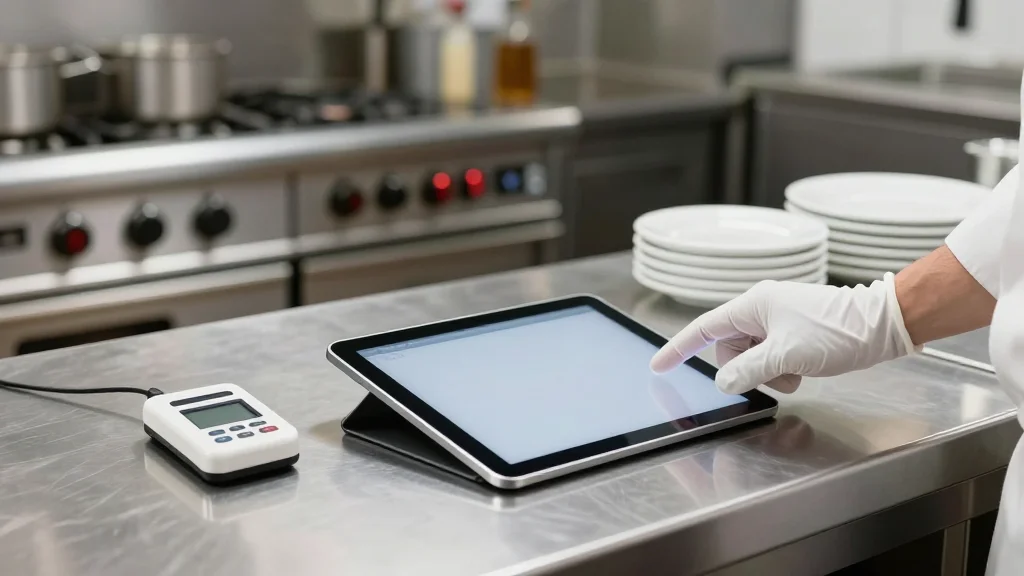
A Chef’s Perspective: How Kitchen Structure Drives Restaurant Technology Success in High-Volume Operations
Why It Matters
Without solid kitchen structure, investments in POS, inventory and waste‑tracking software deliver limited insight, inflating costs and risking food safety. Operators who prioritize process design unlock the full financial and operational benefits of restaurant technology.
Key Takeaways
- •Waste tracking tools capture only about 30% of kitchen waste data
- •Structured roles and handoffs ensure temperature control during large events
- •Pre‑service planning cuts coordination errors more effectively than extra staff
- •POS systems miss real‑time inventory changes without disciplined logging habits
- •Assembly‑line kitchen design transforms cooking into scalable manufacturing
Pulse Analysis
The surge of restaurant technology—from POS platforms to AI‑driven waste monitoring—has promised unprecedented visibility into kitchen operations. Yet many high‑volume operators discover a disconnect between the data these tools promise and the reality on the line. In fast‑paced environments, staff rarely have the bandwidth to log every deviation, resulting in fragmented datasets that skew cost analysis and inventory forecasts. This gap underscores a fundamental truth: technology can only amplify what already exists, and without a disciplined workflow, the signal gets lost in the noise.
Shetty’s 2,800‑guest Diwali program offers a concrete case study of how structure trumps sheer technology. By segmenting the kitchen into prep, breading, and fry/sauce teams, each with clear handoff points and temperature checkpoints, the operation maintained food‑safety standards and minimized waste despite massive throughput. Real‑time decisions—such as discarding chicken that fell into the danger zone—were driven by pre‑defined protocols, not by a dashboard. The digital record‑keeping followed the service, providing accurate post‑event analytics that could inform future menu engineering and labor planning.
For restaurateurs aiming to scale, the prescription is clear: invest first in role‑based execution, assembly‑line flow, and rigorous pre‑service briefings. These process pillars create a reliable data pipeline that feeds technology, turning raw inputs into actionable insights. When the human and procedural foundations are solid, POS and waste‑tracking systems become true force multipliers, delivering measurable ROI, reducing food‑cost variance, and safeguarding compliance. In an industry where margins are thin, aligning people, process, and technology is the competitive edge that separates thriving high‑volume kitchens from those that falter.
A Chef’s Perspective: How Kitchen Structure Drives Restaurant Technology Success in High-Volume Operations
Comments
Want to join the conversation?
Loading comments...