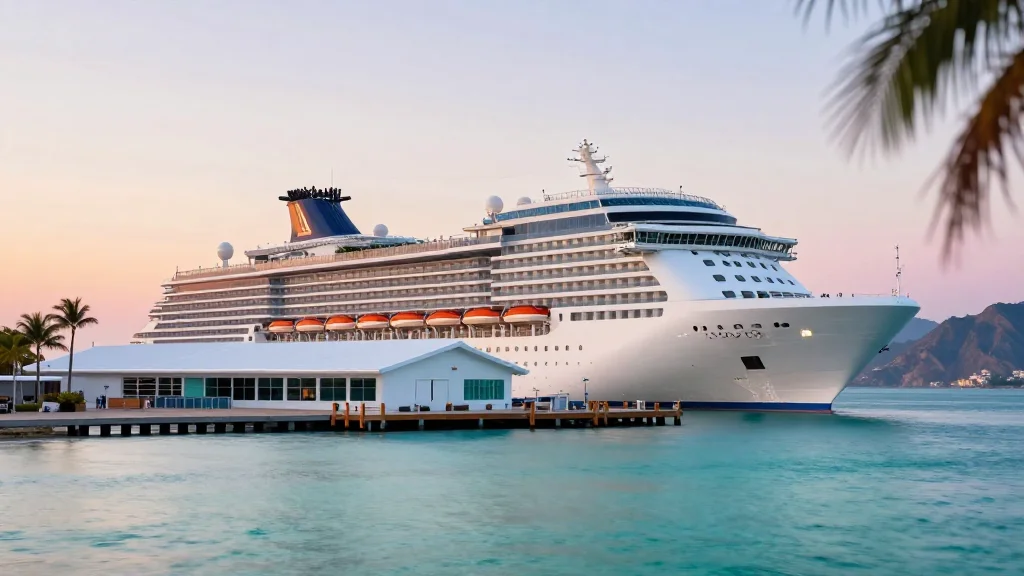
Acapulco’s Comeback: A Global Ports Deal Anchored in Cruise Power, Security, and Economic Impact
Why It Matters
The project could unlock significant tourism revenue and jobs for Acapulco while reinforcing Mexico’s competitive stance in the fast‑growing cruise market.
Key Takeaways
- •Global Ports to build 350‑m pier by 2027 for larger ships
- •Cruise tourism generates ~$200 billion in global economic output, driving local jobs
- •Enhanced security protocols aim to restore traveler confidence in Acapulco
- •Acapulco could capture a share of the projected 19% cruise capacity growth
- •Local businesses expect increased spending as repeat‑visitor rates exceed 60%
Pulse Analysis
The cruise industry is in the midst of a resurgence, with the World Travel & Tourism Council reporting $98.5 billion in GDP contribution and $199 billion in total output for 2024. This growth is driven by larger vessels, longer itineraries, and a post‑pandemic appetite for experiential travel. Nations that invest in port infrastructure and safety are poised to capture a larger slice of the multi‑billion‑dollar market, and Mexico’s strategic focus on its Pacific coast reflects that global trend.
Acapulco’s new concession with Global Ports Holding represents a concrete response to these dynamics. The 350‑meter pier, slated for 2027, will accommodate the next generation of mega‑cruise ships, while upgraded security protocols—aligned with CLIA standards—address lingering safety concerns that have deterred operators. Early estimates suggest the upgraded terminal could generate upwards of $93 billion in direct spending for local merchants and create roughly one job per 20 passengers, translating into a meaningful boost for the city’s struggling economy.
Beyond immediate financial gains, the Acapulco project serves as a blueprint for resilient tourism development across the Mexican Riviera. By integrating modern infrastructure, rigorous security, and community‑focused shore experiences, the port aims to become a repeat‑visit destination, a factor that drives over 60% of cruise passengers to return to their first port of call. As cruise capacity is projected to rise 19% by 2028, Acapulco’s timely investment positions it to capture disproportionate growth, reinforcing Mexico’s broader tourism strategy and setting a standard for other ports seeking renewal.
Acapulco’s Comeback: A Global Ports Deal Anchored in Cruise Power, Security, and Economic Impact
Comments
Want to join the conversation?
Loading comments...