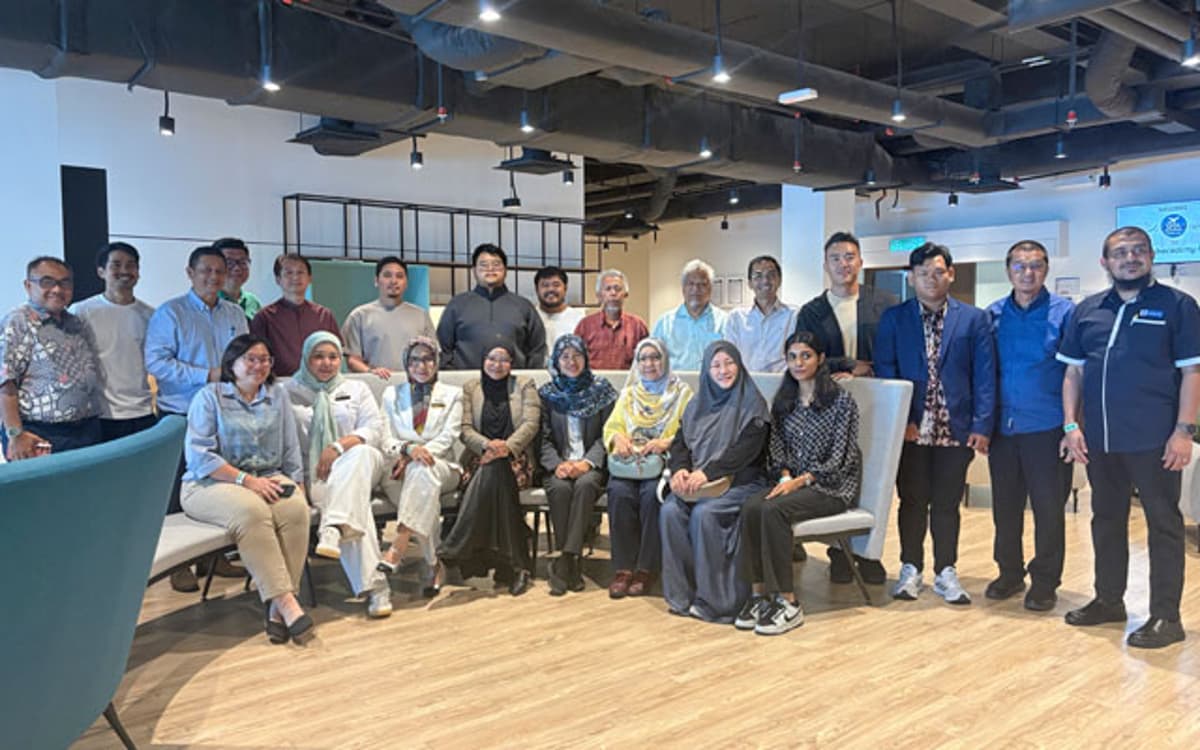
AI Training to Boost Malaysia’s Small Inbound Operators
•February 23, 2026
0
Why It Matters
Equipping small operators with AI and digital commerce skills boosts Malaysia’s competitiveness in the FIT market, driving higher yields and diversified tourism growth.
Key Takeaways
- •CINTA launches six‑month AI training for 600 operators
- •Program teaches building booking engines, payment gateways, AI enquiry handling
- •Targets untapped FIT segment to boost margins and yields
- •Aligns with Visit Malaysia 2026 for sustainable tourism growth
- •Interest from regional agents suggests potential cross‑border replication
Pulse Analysis
Malaysia’s tourism sector is at a pivotal juncture as digital disruption reshapes how travelers discover and book experiences. By offering AI‑enhanced training, CINTA addresses a critical skills gap among small operators who traditionally rely on manual quotation processes. The programme’s focus on creating proprietary booking platforms and integrating payment gateways empowers these businesses to compete with larger agencies and capture the high‑value fully independent traveller (FIT) segment, which commands larger group bookings and higher profit margins.
Beyond immediate operational upgrades, the initiative dovetails with the broader Visit Malaysia 2026 strategy, which emphasizes sustainable visitor growth, longer stays, and geographic dispersion. AI tools enable operators to personalize itineraries, promote community‑based attractions, and streamline back‑office functions, thereby increasing yield per visitor while supporting local economies. As Malaysia seeks to shift from volume‑driven tourism to experience‑led offerings, the digital entrepreneurship model fostered by CINTA could become a catalyst for sector‑wide innovation.
The programme’s regional resonance underscores its scalability. Interest from agents in Indonesia, Laos, Vietnam, and the Philippines signals a demand for similar capacity‑building models across Southeast Asia. Replicating the training framework could create a network of AI‑savvy operators, fostering cross‑border collaborations and expanding market access for Malaysian destinations. In an era where AI-driven personalization is a competitive differentiator, CINTA’s initiative positions Malaysia to capture a larger share of the global FIT market while reinforcing its reputation as a forward‑looking tourism hub.
AI training to boost Malaysia’s small inbound operators
0
Comments
Want to join the conversation?
Loading comments...