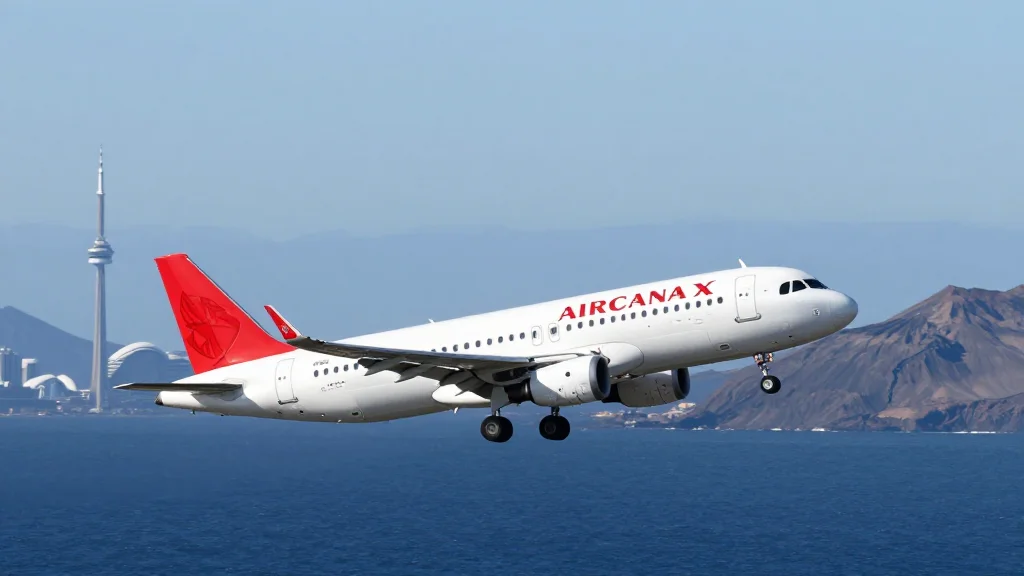
Air Canada to Launch First North America–Canary Islands Link in Winter 2026
Why It Matters
The direct link expands Canadian winter‑sun travel options and showcases the economic viability of long‑range narrow‑body jets in secondary leisure markets, potentially reshaping trans‑Atlantic route strategies.
Key Takeaways
- •Air Canada will start nonstop Toronto‑Tenerife flights winter 2026‑27.
- •Service uses Airbus A321XLR, enabling long‑haul with lower demand.
- •First direct North America‑Canary Islands link in airline history.
- •Launch targets peak winter sun demand from Canadian travelers.
- •Could spur other carriers to explore secondary leisure markets.
Pulse Analysis
Air Canada announced that it will inaugurate the first nonstop service between North America and the Canary Islands, connecting Toronto to Tenerife in the winter 2026‑27 season. The route will be flown on the Airbus A321XLR, a narrow‑body aircraft capable of covering the 5,800‑kilometre distance without a stop. By offering a direct option, the carrier eliminates the need for European connections that have traditionally funneled Canadian leisure travelers through hubs such as London or Frankfurt. The move marks a milestone for both the airline and the islands, which have long relied on European tourism.
The timing aligns with peak winter demand, when sun‑seeking travelers from northern Europe flock to the archipelago. Air Canada’s choice of the A321XLR reflects a broader industry shift toward using long‑range narrow‑body jets to serve secondary leisure destinations that lack the passenger volumes required for wide‑body aircraft. The aircraft’s fuel‑efficient design reduces operating costs, making it financially viable to open a route that may initially generate modest load factors. Competitors are watching closely, as similar deployments could open new revenue streams without the capital intensity of larger planes.
For Canadian travelers, the direct link expands winter‑sun options beyond traditional Mediterranean spots such as Mallorca or the Greek islands, potentially boosting outbound tourism spend. The Canary Islands stand to diversify their visitor base, reducing reliance on European markets that can be volatile due to economic or geopolitical shifts. If demand materialises, the route could act as a template for other underserved markets, encouraging airlines to experiment with long‑haul narrow‑body services across the Atlantic. In the longer term, the partnership may stimulate ancillary growth, from hotel bookings to cruise feeder traffic, reinforcing the islands’ position as a year‑round leisure hub.
Air Canada to Launch First North America–Canary Islands Link in Winter 2026
Comments
Want to join the conversation?
Loading comments...